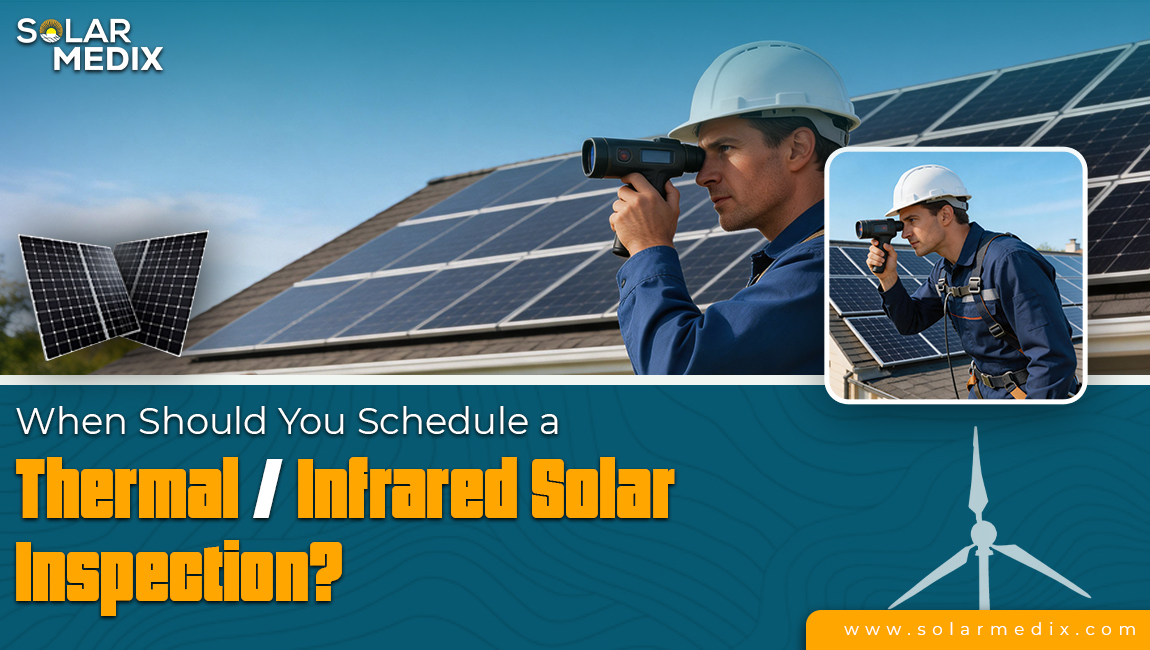
Taking care of your solar panels is about more than just washing off the dust. To really know if your system is healthy, you need to look at what’s happening inside the panels. Thermal imaging (also called infrared) is like an X-ray for your solar system. It uses special cameras to find heat patterns that the human eye can’t see, helping experts spot broken parts before they cause real trouble.
Timing is everything when it comes to these check-ups. If you catch a small problem early, it’s usually an easy fix or a simple warranty claim. But if you wait too long, a tiny “hot spot” can turn into a permanent failure or even a fire hazard. According to the International Association of Certified Home Inspectors, this technology is the safest way to check electrical parts without having to take everything apart.
By making infrared scans a part of your routine, you stop guessing and start knowing. It’s a fast, “no-contact” health check that doesn’t require turning off your power. Understanding when to call in the pros ensures your investment keeps saving you money on electricity for years to come.
Why Infrared Inspections Are Important for Solar Systems
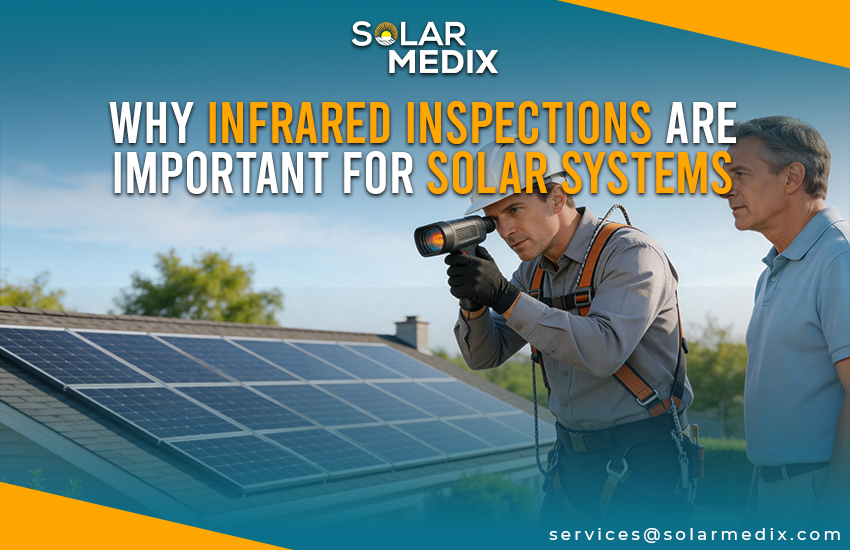
Infrared inspections are a game-changer for solar maintenance because they find hidden issues early. Sometimes a panel looks perfect on the outside, but inside, a tiny crack or a loose wire is creating a “hot spot.” These scans allow for accurate diagnostics, so technicians know exactly which part to fix instead of replacing things that aren’t broken.
These inspections also help with improved system performance and the prevention of major failures. When one part of a panel gets too hot, it slows down the whole system and can lead to a shorter system lifespan. By keeping things running cool and steady, you ensure your panels stay efficient and safe for as long as possible.
7 Key Signs You Should Schedule an Infrared Solar Inspection
Knowing the warning signs can save you a lot of stress and money. Here are seven reasons you should give your solar system a closer look with a thermal camera.
Sign #1: Unexplained Drop in Solar Energy Production
If your energy bill is going up but the sun is still shining, something is wrong. A thermal scan can show if certain panels have “gone dark” or aren’t pulling their weight.
- Persistent gap between estimated and actual energy yield.
- Individual strings showing lower voltage than others in the array.
- System-wide underperformance that cleaning alone doesn’t fix.
Sign #2: Visible Damage or Wear on Solar Panels
Even small marks on the glass can mean big trouble underneath. If you see anything weird on the surface, heat is likely building up in those spots.
- Discoloration or “burn marks” on the backsheet or cells.
- Cracked or shattered glass from debris or hail.
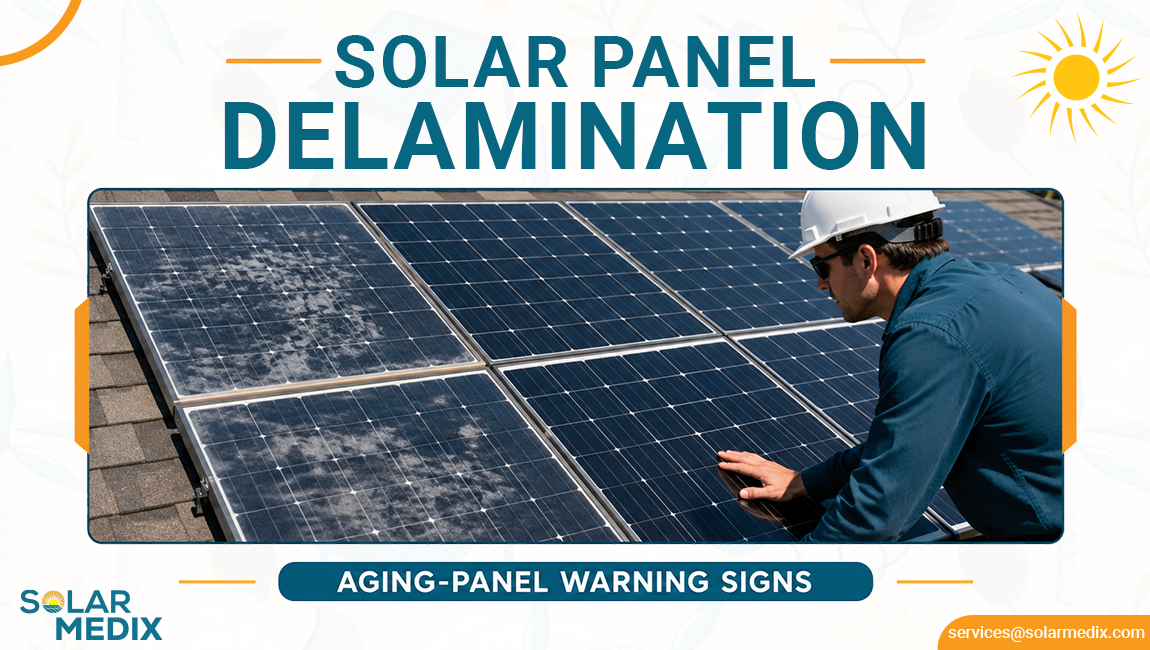
- Delamination, where the protective layers of the panel begin to peel.
Sign #3: Inverter Errors or System Alerts
Your inverter is the “brain” of the system, and it will often tell you if the panels are acting up. If it keeps throwing error codes, a thermal scan finds the source of the glitch.
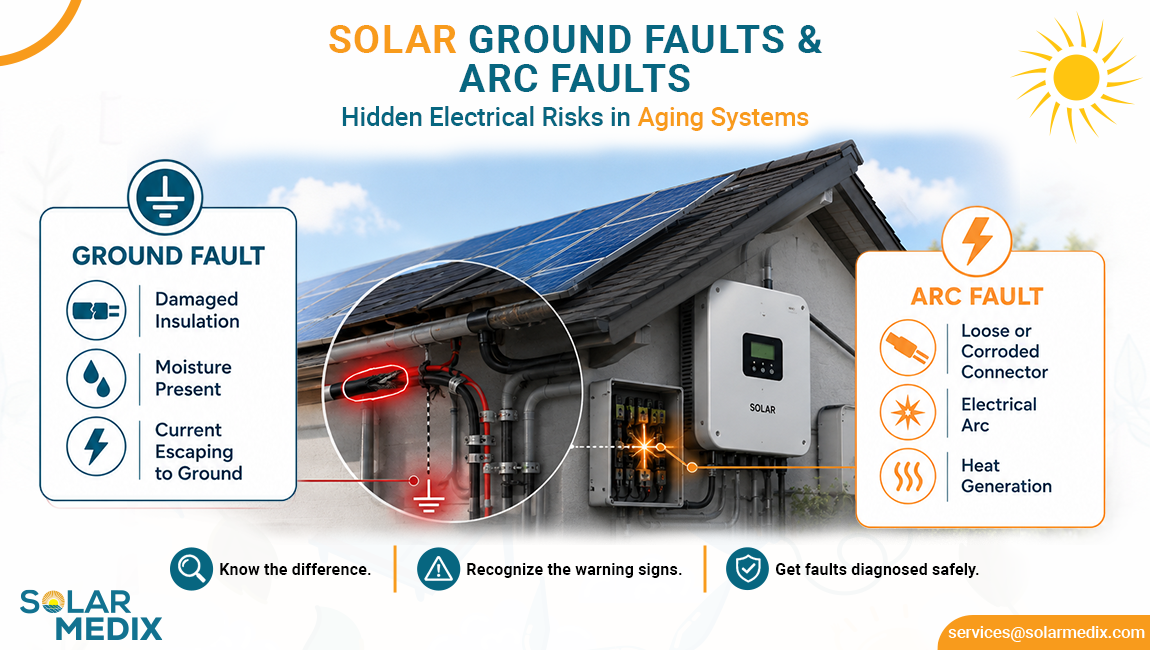
- Frequent “Isolation Fault” or “Ground Fault” messages.
- Rapid fluctuations in power output displayed on the inverter screen.
- Inverter overheating or shuts down during peak sunlight hours.
Sign #4: Aging Solar System (5+ Years Without Inspection)
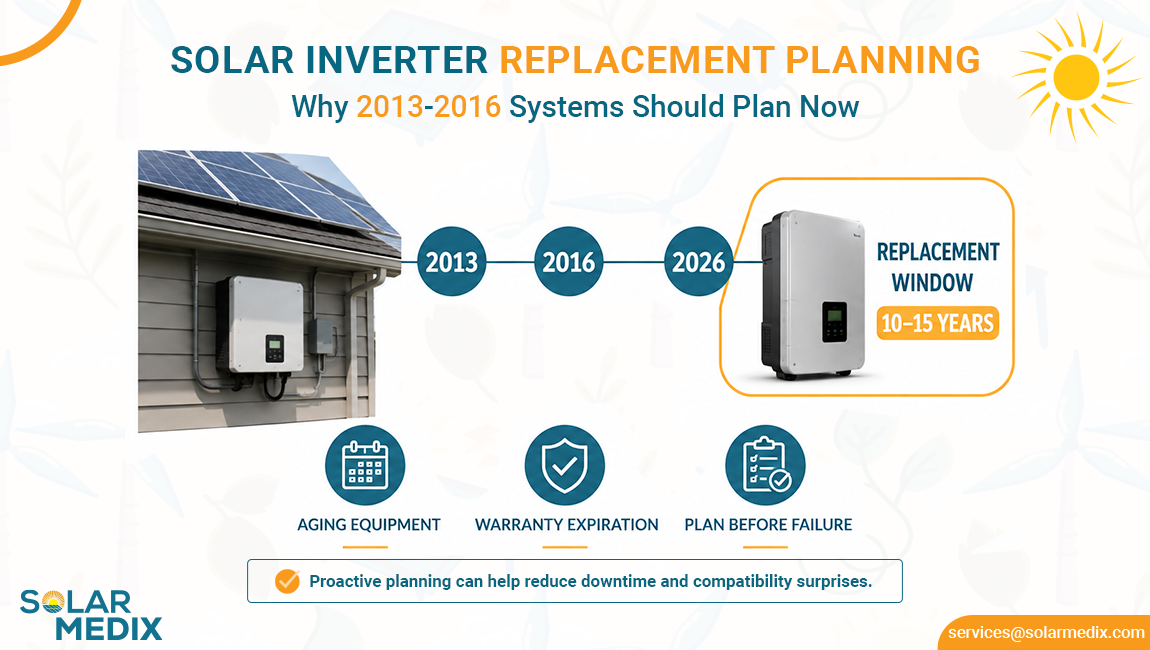
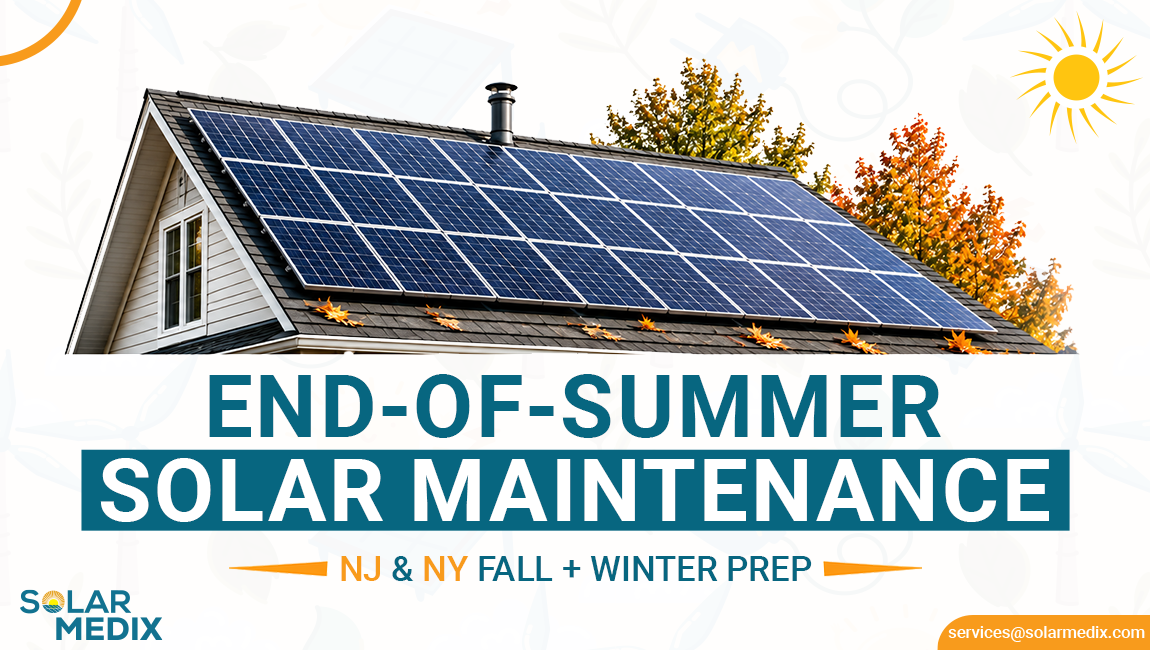
Solar panels are tough, but they don’t last forever without a little love. After five years, parts can start to wear out from the summer heat and winter cold.
- Standard warranty milestones where a “health check” is recommended.
- Gradual accumulation of thermal stress from years of expansion and contraction.
- Need for a baseline report to compare against future performance data.
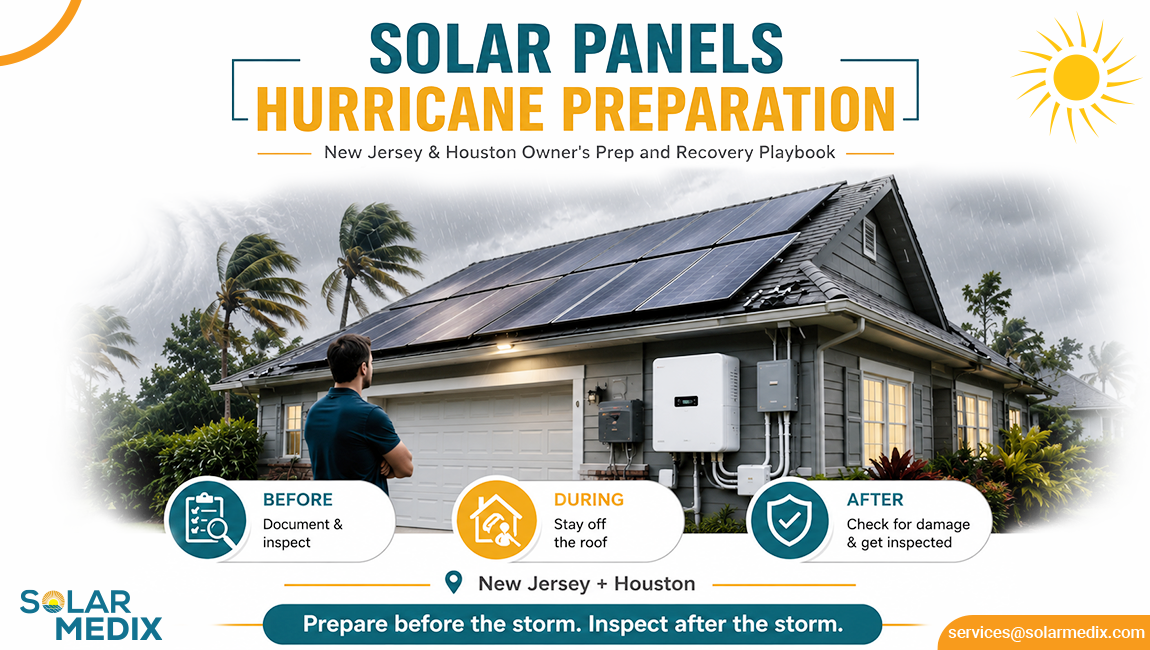
Sign #5: After Severe Weather Events
Big storms, high winds, and hail can cause “invisible” damage. A post-storm scan ensures that your panels didn’t get micro-cracks that could lead to bigger leaks later.
- Impact points from hail that didn’t immediately shatter the glass.
- Stress fractures caused by heavy snow accumulation.
- Potential wiring looseness caused by extreme wind vibrations.
Sign #6: Suspected Electrical Issues
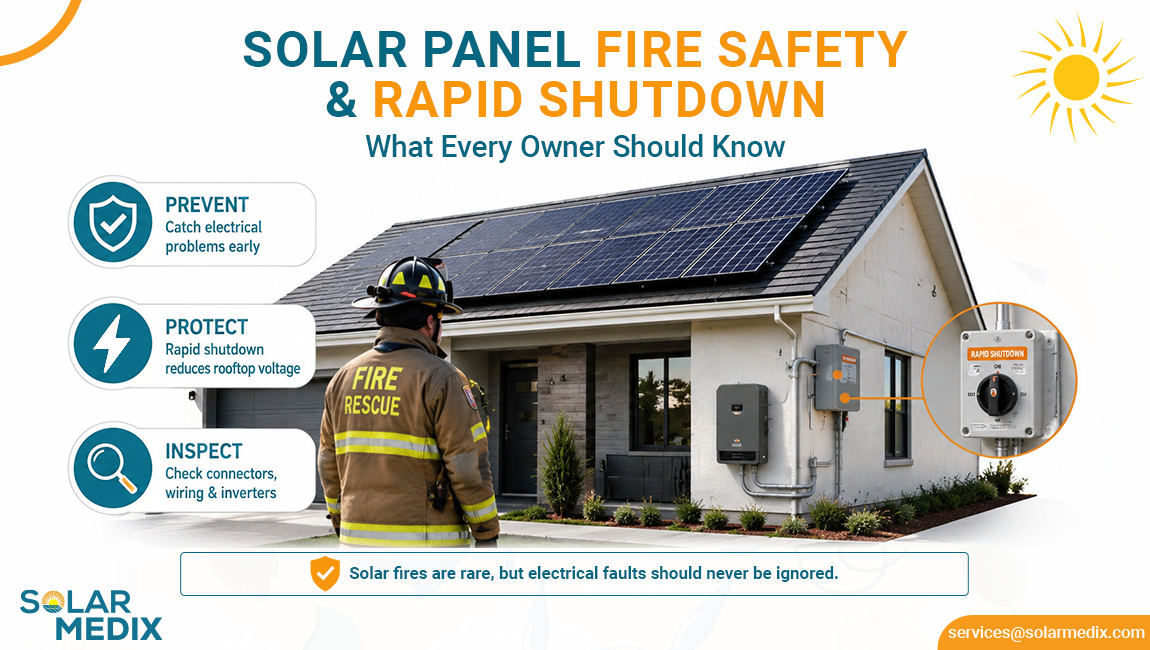
If you smell something burning or your circuit breakers keep tripping, treat it as an emergency. Infrared is the safest way to find a “hot” wire without touching high-voltage electricity.
- Smell of melting plastic or ozone near the solar equipment.
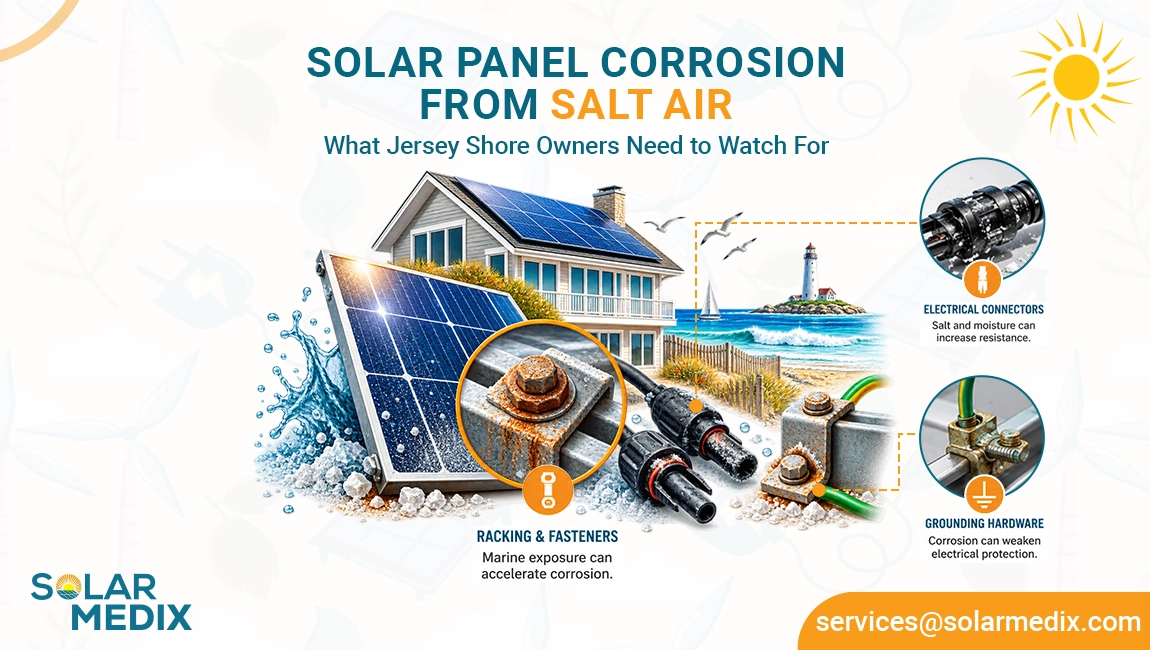
- Corroded or frayed wiring visible in the conduit or at the panels.
- Breakers that trip only during the hottest part of the day.
Sign #7: Buying or Selling a Property with Solar Panels
If you’re moving, you want to know exactly what the solar system is worth. A thermal report proves the system is healthy for the buyer or protects the seller from future complaints.
- Due diligence requirement for high-value home inspections.
- Verification of the system’s current operational efficiency for the buyer.
- Identification of necessary repairs before the closing of a sale.
What Problems Can Infrared Inspections Detect?
A thermal camera “sees” electricity as heat. This makes it easy to find technical problems that a regular inspection would completely miss.
- Hot spots on panels
- Microcracks in solar cells
- Faulty electrical connections
- Bypass diode failures
- Shading-related inefficiencies
How Often Should You Schedule an Infrared Inspection?
For most homeowners, getting a scan every 1 to 3 years is the sweet spot. This keeps you ahead of any slow wear and tear. For businesses and commercial buildings, annual inspections are best.
Because these systems are so much bigger, one small problem can cost thousands of dollars in lost power. So, always get an inspection after major weather events or when performance issues arise.
Schedule a Professional Infrared Solar Inspection with Solar Medix Today!
At Solar Medix, we use the latest thermal tech to make sure your solar investment is safe and strong. Our expert team doesn’t just look at the panels; we look into them to find the hidden issues that slow you down. Don’t wait until your system stops working—let us help you keep it running perfectly.
We also offer a full range of O&M services to keep your system in top shape. Contact Solar Medix today, and let’s keep your solar system healthy!
Frequently Asked Questions
How often are infrared inspections required?
Inspections are recommended annually for commercial systems or after performance drops, severe weather, or suspected faults.
Is infrared inspection worth it?
Yes. They uncover hidden, costly issues that standard visual inspections miss, providing peace of mind and saving potentially thousands in future repairs.
What are the cons of infrared?
High initial setup costs and potential safety risks from prolonged, high-intensity exposure.
What is the best time for conducting an infrared survey?
The ideal time is during clear, sunny weather when the system is under peak load. For the most accurate thermal images, inspections should be conducted during midday hours (typically 10:00 AM to 2:00 PM) to ensure adequate sunlight, active system operation, and clear visibility. Surveys must be scheduled when weather conditions allow for safe roof access and stable equipment operation.