You bought solar panels to eliminate high electricity bills, not to inherit a rooftop mystery. A system can look perfectly fine from your driveway while quietly losing power week after week. Recent data from solar asset research shows that unmaintained residential systems drop their energy yield by 1.38% to 1.61% annually due to component degradation, while unmonitored soiling alone regularly causes up to a 15% drop in total efficiency. When your monitoring application reads normal but your utility bill continues to rise, how do you know what is actually happening beneath the glass of your array?
| Quick Answer
Professional residential solar inspection services provide a deep mechanical and electrical safety audit of your clean energy system. A comprehensive checklist covers an exhaustive visual panel analysis, structural roof-attachment checks, thorough electrical wiring tests, inverter performance tracking and battery backup diagnostics. |
To protect your clean energy asset, let’s break down the exact operational phases of a professional home solar inspection.
What Is a Residential Solar Inspection?
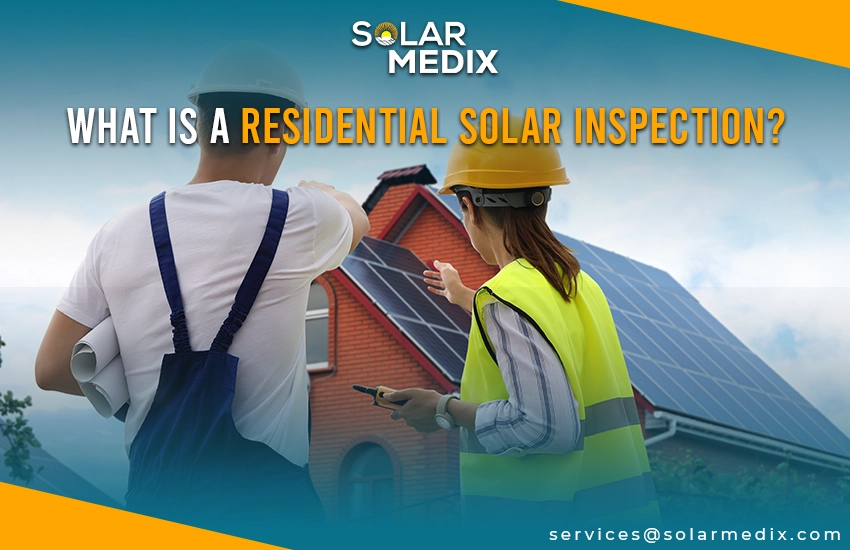
A residential solar inspection is a specialized health check for your clean energy investment. We do not look at your roof through the lens of a new construction code inspector. Instead, our team treats this as an active, preventative checkup for existing hardware. Think of it like taking a high-performance car to a specialized mechanic; you want to find the worn parts before you end up stranded on the highway.
During this process, we map out the complete electrical, mechanical and structural health of your system. This detailed evaluation catches hidden problems before they turn into expensive emergency repairs. It ensures that your system continues to offset your power bills exactly the way the installer promised.
Key Components Included in Residential Solar Inspection Services
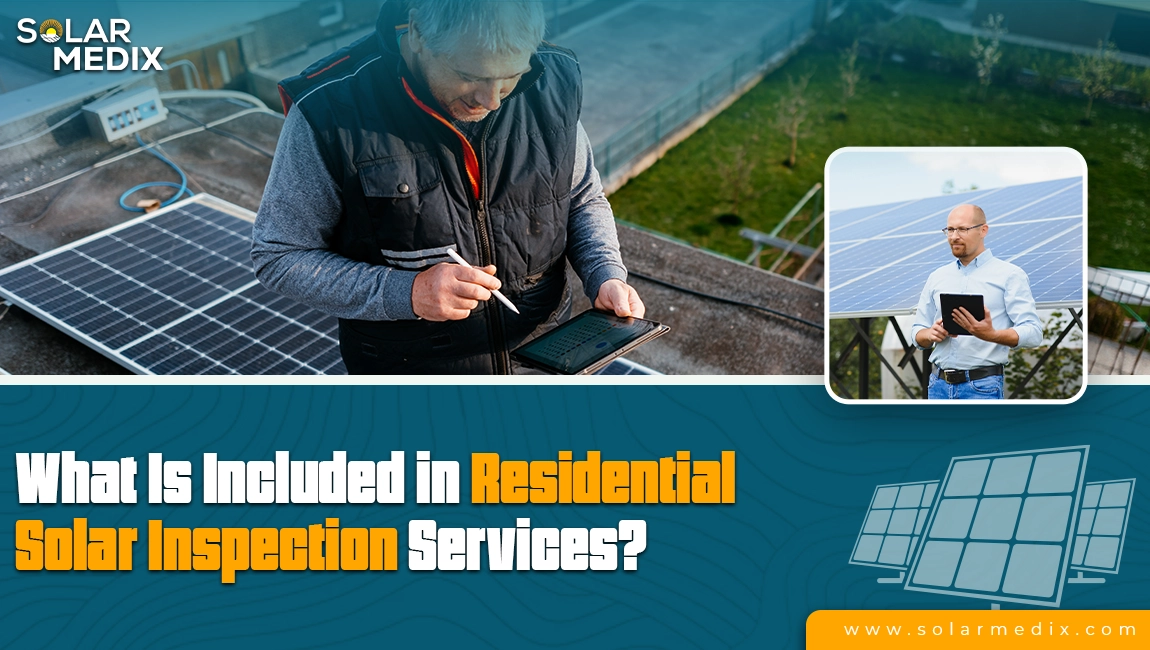
This is the core of our fieldwork where our experience saves you money. We dive deep into the micro-components of your array to verify that everything operates at peak performance. Here are the distinct areas our Solar Medix maintenance crew evaluates during a standard house visit.
Visual Inspection of Solar Panels
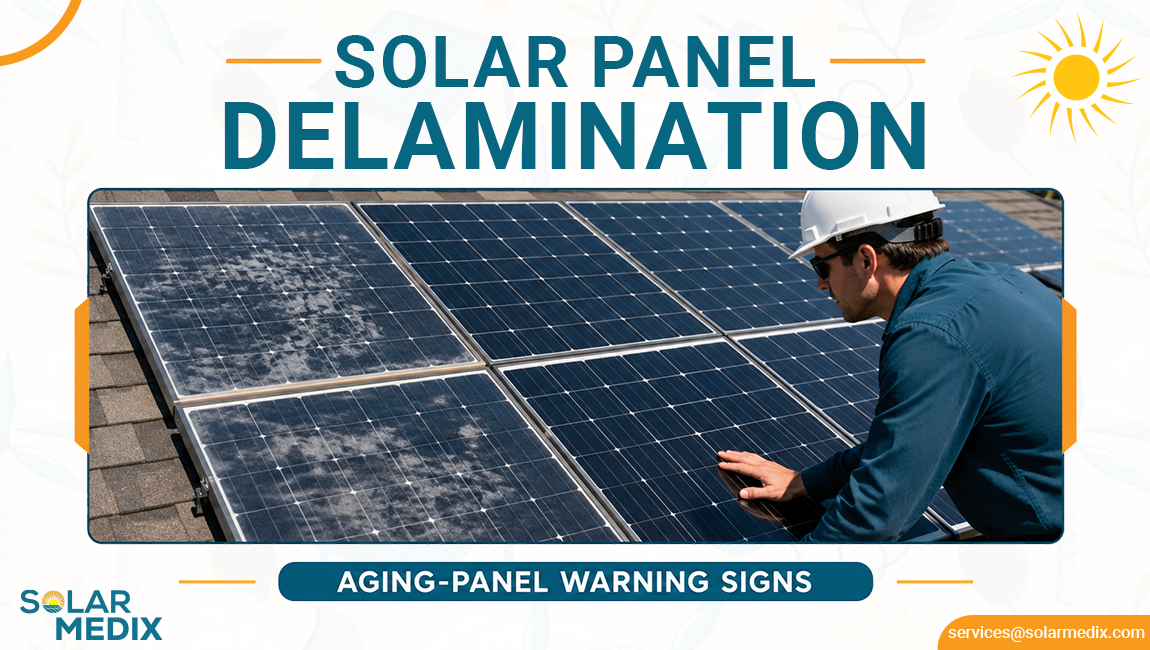
We get right up on the roof to examine the face and backsheet of every single module. This physical check exposes front-tempered glass fracturing, heavy debris tracking, brown cell scorch marks and bubbling. Catching localized solar cell delamination early prevents moisture from permanently shorting out your silicon pathways.
Roof and Mounting System Assessment
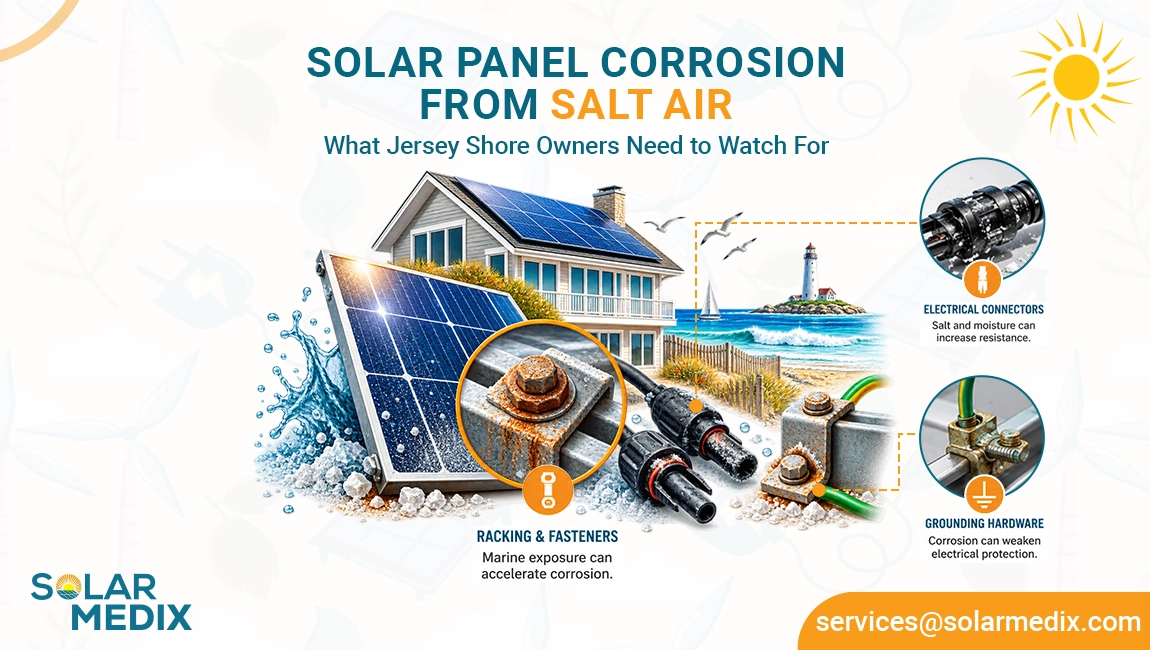
Your roof must bear the weight of heavy solar arrays through intense winds and seasonal storms. We check the structural integrity of your aluminum racking and verify the torque on structural mounting rail clamps. Most importantly, we examine the waterproofing flashing and rubber seals at roof penetration points to stop leaks before they hit your ceilings.
Electrical System Inspection
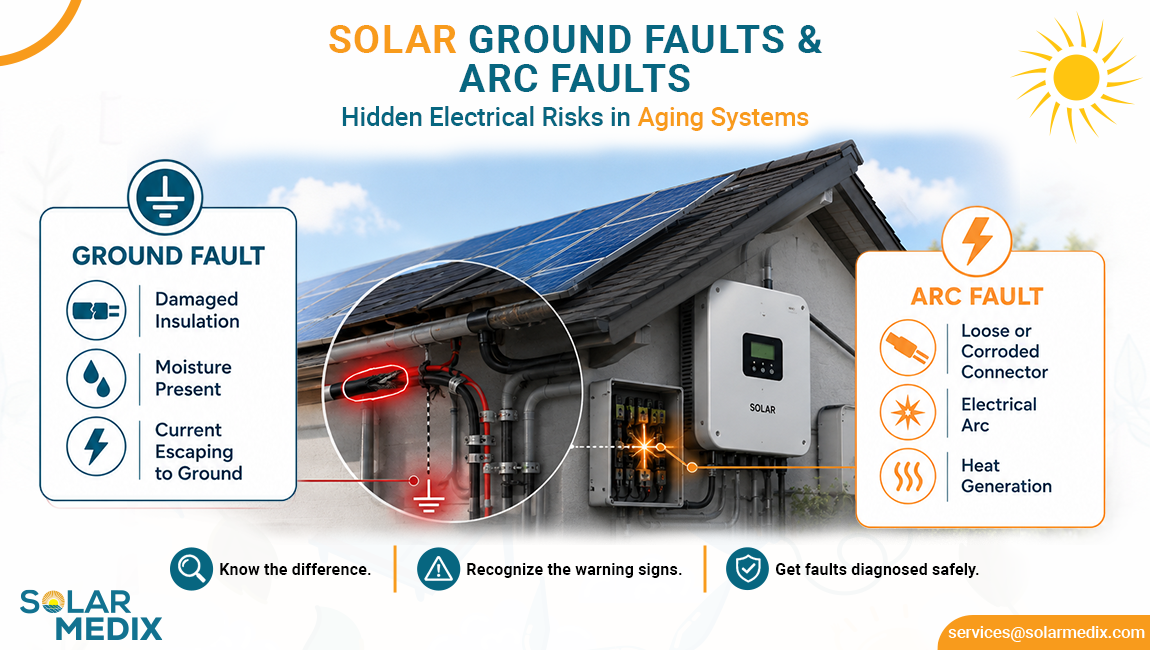
High-voltage electricity requires clean, unrestricted pathways to travel safely down to your breaker box. Our crew checks high-voltage DC conduit runs for weather wear and secures loose wire management clips to stop cable sagging. We also test the physical pins inside MC4 connectors where hidden moisture can introduce high electrical resistance.
Inverter Inspection and Testing
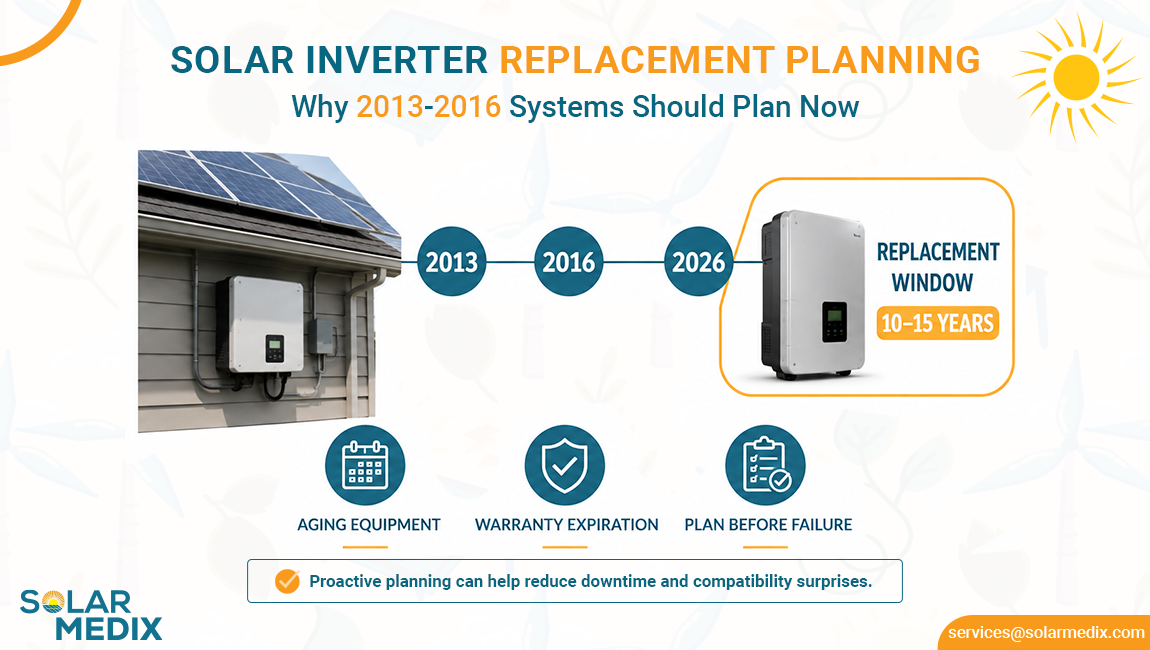
The solar inverter faces massive daily thermal stress while converting raw DC energy into usable household AC power. We clear dirt and pest blockages from localized cooling vents to prevent internal overheating. Next, we audit historical error codes and verify that the unit is actively maximizing its operational MPPT channels.
If you want a clear next step after this inspection guide, take two minutes to read “Why Professional Inverter Repair Prevents System Damage” and see how timely repairs can save your system from bigger, hidden failures.
Performance Testing
We don’t guess your system’s power yield—we verify it using precise digital diagnostic tools. Our field technicians run full open-circuit voltage (Voc validation) and short-circuit current (Isc validation) testing against factory specifications. We also utilize specialized megohmmeters to scan insulation resistance for invisible copper wiring leaks.
Battery Storage Inspection (If You Have One)
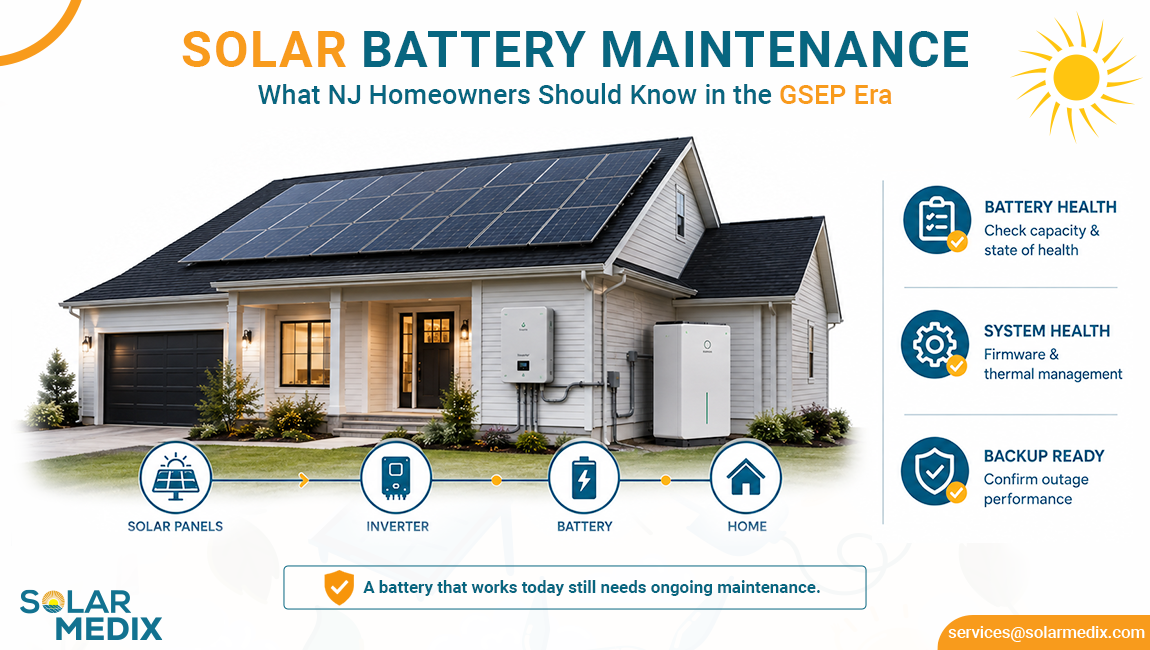
Home storage backup units require precise calibration to ensure they keep your lights on during sudden power outages. We run complete state-of-health (SoH) diagnostics on your battery cells and verify internal thermal management loops. Finally, we test the automated backup cutover switches to guarantee a seamless power transition.
Monitoring System Review
Your monitoring gateway is your primary window into your system’s daily energy harvesting. If your online portal drops connection or lags, you are essentially flying blind. We recalibrate internal data bridges, re-sync dropped Wi-Fi cards and push the latest manufacturer firmware patches to keep your data stream perfectly clean.
Safety Checks Included in Solar Inspections
Safety is our absolute number one priority when working with high-voltage rooftop equipment. A bad electrical arc on a hot summer afternoon can quickly turn into a major safety hazard for your entire home. Our diagnostic check cuts those risks down to zero.
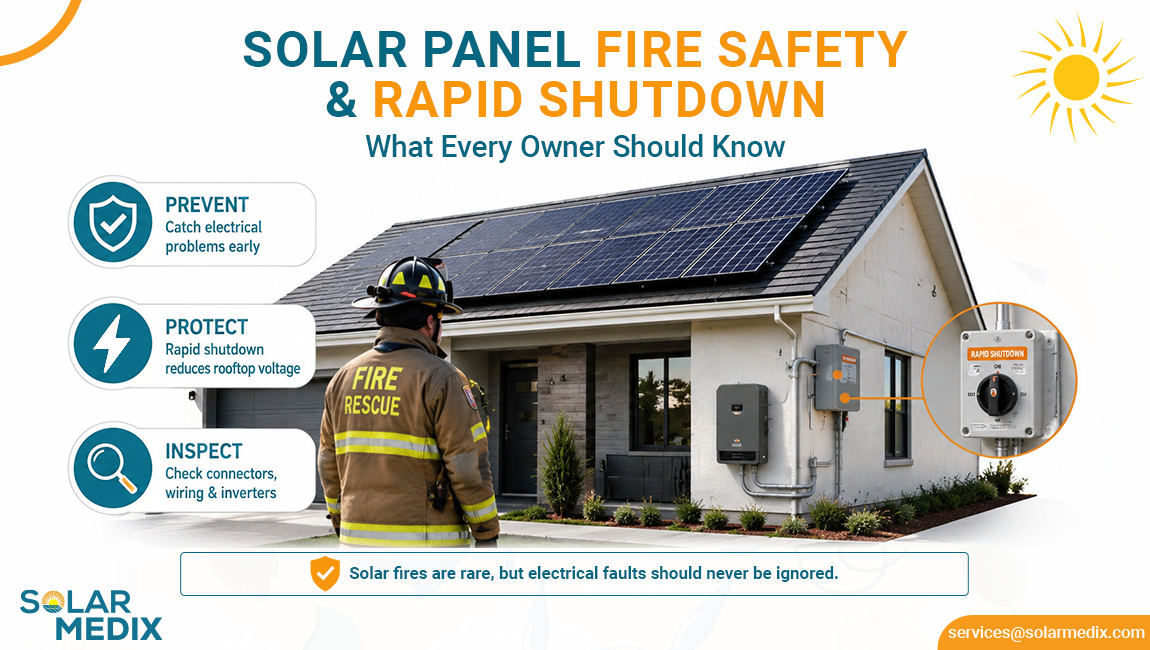
- Verify rapid shutdown equipment mechanics to ensure immediate system voltage drops down to safe levels during a house emergency or power outage.
- Test grounding and bonding continuity along the aluminum framing rails to prevent dangerous static buildup and high-voltage shocks.
- Audit DC/AC isolator switches to guarantee clean arc protection and seamless localized power isolation when you need to shut things down fast.
Common Problems Found During Solar Inspections
Routine rooftop diagnostic checkups frequently uncover hidden system liabilities that quietly compromise your monthly clean energy yield. Catching these mechanical and thermal faults early prevents localized degradation from spreading across your entire production string.
- Pest Damage: Pigeons and rodents nest underneath arrays, where squirrels chew high-voltage DC wire insulation and trigger dangerous system ground faults.
- Thermal Hot Spots: Micro-cracks or failing bypass diodes block normal current flow, creating localized raw heat that shatters front-tempered glass.
- Internal Corrosion: Trapped moisture eats away at internal silver grid lines, dropping power output long before your central inverter displays a code.
If you’re hearing odd rooftop noises or spotting feathers near your array, read “Signs Animals Are Nesting in Your Solar System & You Need Critter Guard Solutions” to see how early critter protection can save your wiring, panels, and pocket.
How Often Should Residential Solar Systems Be Inspected?
While a basic inspection should happen annually, extreme weather variables dictate how fast critical components physically degrade over time. Shifting to a proactive inspection schedule protects your structural warranties and stops unexpected drops in clean energy generation.
- Standard Systems: Schedule a professional rooftop review once every year.
- Harsh Climates: Inspect arrays twice annually in heavy snow or high-pollen regions.
- High-Dust Zones: Check panels bi-annually near heavy construction or agricultural fields.
- Extreme Heat: Tune up your inverter before peak summer thermal fade hits.
Benefits of Professional Solar Inspection Services
Investing in a regular checkup offers massive financial advantages that far outweigh the upfront cost of the service call. Let’s look at what you actually get when a certified pro takes a look at your rooftop system.
| Service Benefit Area | Real-World Rooftop Outcome | Protection Level |
| Warranty Preservation | Keeps manufacturer hardware coverage valid with documented professional health reports | Pre-emptive financial defense |
| Yield Optimization | Increases annual energy production by finding and fixing hidden voltage drops | Direct utility bill savings |
| Fire Risk Mitigation | Catches dangerous electrical arc faults before thermal heat builds up inside conduits | Structural home safety |
DIY Checks Homeowners Can Perform Between Inspections
While you should never handle high-voltage electrical wires or climb onto steep roofs yourself, you can still perform basic maintenance checks between our professional visits.
- Track Your App Logs: Check your solar production data every week. Look for any sharp, sudden drops in performance that do not match the weather outside.
- Use Binoculars for a Ground Check: Stand safely in your yard and scan your roof array. Look for visible piles of autumn leaves, heavy bird dropping layers, or loose wires hanging beneath the frames.
- Monitor the Inverter Lights: Take a quick look at your central inverter box on your garage wall. Make sure the main indicator light remains a steady, solid green instead of an error-flashing red or amber.
Choosing a Residential Solar Inspection Provider
Never hire a generic local handyman or a traditional roofing company to evaluate your solar array. They simply do not possess the specialized tools or high-voltage training required to safely diagnose photovoltaic systems.
Always look for a provider that specializes exclusively in solar operations and maintenance (O&M). Make sure their field crews carry active industry certifications and arrive with specialized testing equipment like thermal imaging cameras and digital megohmmeters. A true specialist will always provide you with a comprehensive, transparent health report that outlines every single voltage reading and physical fault found on your roof.
Maximize Your Clean Energy with Solar Medix
Your solar panels are a fantastic investment built to give you free, independent electricity for decades. But just like a premium car, they need expert eyes to keep them running smoothly year after year. Do not wait for a giant power bill or a system breakdown to find out your panels are struggling.
At Solar Medix, we take away all the danger and guesswork. Our friendly, certified team knows exactly how to handle high-tech testing, thermal scans, electrical safety checks and safe glass cleaning. We spot the tiny cracks and loose connections long before they cause real trouble. Protect your warranty, maximize your savings and keep your home powered safely.
Schedule a professional solar evaluation with us today to set up your hassle-free solar checkup!
Frequently Asked Questions
Who can check my solar system?
Only certified solar operations and maintenance (O&M) specialists or licensed solar electricians should check your system. General roofers and traditional handymen do not have the high-voltage training or specialized digital testing tools needed to safely audit active solar circuits.
How can I test my solar panels at home?
You can safely test your system at home by monitoring your online generation app data and cross-referencing your monthly utility bills. Check your physical inverter box on your wall to ensure it displays a solid green light rather than a red fault code.
How to check if your solar panels are working correctly?
Compare your current afternoon kilowatt-hour (kWh) output against your system’s historical data from the exact same month last year. If your energy yield has dropped significantly during a clear, sunny day, your array likely has a hidden electrical fault.
How to test if a solar panel is working without a multimeter?
Without a multimeter, your best option is to look at individual module performance statistics inside your cellular system monitoring application. Alternatively, you can check your main utility net meter on a bright, sunny afternoon to see if your home is actively sending excess electricity back to the grid.