
If you’re buying or selling a home with solar, the first thing you need to confirm is whether the system is owned, leased, or covered by a Power Purchase Agreement (PPA). That one answer affects the home’s value, warranty transfers, monitoring access, SREC-II incentives, and who will service the system after closing. Before settlement, buyers and sellers should also verify the system’s condition, confirm warranty eligibility, transfer monitoring accounts, and identify who will provide ongoing service, especially if the original installer is no longer in business.
You’ve accepted an offer, the inspection is booked, and everything seems ready for settlement. Then the buyer asks:
“Who looks after the solar system?”
If nobody has a clear answer, the sale can quickly become more complicated.
We see this with homeowners across New Jersey and New York. Sometimes the warranty is unclear. Sometimes the monitoring account is no longer accessible. And in other cases, the original installer has gone out of business, leaving the buyer unsure who will service the system if something goes wrong.
These issues don’t have to delay the sale. With the right documentation, inspection and support in place, buying or selling a home with solar can be straightforward.
At Solar Medix, we help homeowners, buyers, real estate professionals and attorneys inspect, service and transfer existing solar systems. From pre-sale inspections and warranty support to monitoring restoration and orphaned system servicing, we handle the solar side of the transaction so everyone knows what to expect.

Selling a Home With Solar? There’s More to Disclose Than You Think
Solar panels can absolutely make a home more attractive to buyers. In fact, many buyers actively look for homes with lower energy costs already built in. Where transactions tend to slow down isn’t because of the solar panels themselves. It’s because important information about the system isn’t available when buyers start asking questions.
Getting organized before listing your property helps avoid unnecessary delays and gives buyers confidence that they’re purchasing a well-maintained solar system.
Does Solar Add Value When Selling a Home in NJ or NY?
In many cases, yes. A professionally installed and well-maintained owned solar system can increase buyer interest because it offers ongoing electricity savings from day one.
Research published by Lawrence Berkeley National Laboratory found that homes with owned solar systems often sell for more than similar homes without solar. Of course, every property is different, and buyers will still want reassurance that the system is performing as expected.
Buyers are typically looking for confidence that the system is producing electricity properly, has been maintained, has active monitoring, still has warranty coverage, and won’t require immediate repairs. They also want to know that the system can continue to be serviced after settlement.
Having this information available before your home goes on the market can make negotiations much smoother.
Owned Solar vs. Leased Solar vs. PPA: Why It Changes Everything at Closing
This is the first question every buyer should ask and every seller should be prepared to answer. The ownership arrangement determines how the rest of the transaction will work.
Owned Solar
Owned systems are generally the simplest to transfer.
The equipment transfers with the property; there are no ongoing equipment payments, and buyers receive the future energy savings immediately.
Provided the manufacturer allows warranty transfers, ownership usually changes with only a small amount of paperwork.
Leased Solar
A leased system works differently.
The homeowner doesn’t own the equipment. Instead, they make monthly lease payments to a third-party provider.
When the property is sold, the buyer will usually need to assume the lease, complete the required paperwork, meet the leasing company’s qualification requirements, and receive approval before settlement.
Starting this process early helps prevent unnecessary delays.
Power Purchase Agreement (PPA)
With a Power Purchase Agreement, the homeowner purchases electricity generated by the system rather than owning the equipment itself.
Like a lease, the agreement generally transfers to the buyer, although the exact process depends on the provider’s requirements.
Reviewing the agreement before listing the property helps everyone understand exactly what’s involved before contracts are exchanged.
What Buyers Worry About When They See Solar on a Listing
Most buyers aren’t worried about solar. They’re worried about uncertainty.
Questions we hear all the time include whether the system is still producing as expected, how old the equipment is, whether the inverter has ever been replaced, whether monitoring is working, whether the warranties remain valid, who currently services the system, what happens if something fails, and whether any financing is attached to the system.
These are completely reasonable questions. Providing clear answers early helps remove doubt before it becomes a negotiation point.
What Sellers Are Legally Required to Disclose About Solar in NJ & NY
Disclosure requirements can vary depending on where the property is located, so it’s always worth confirming your obligations with your real estate agent or attorney.
In general, sellers should be ready to provide information about the system’s ownership structure, any financing or contractual agreements, known faults or previous repairs, warranty documentation, monitoring access, installation paperwork, and maintenance records.
The more organized these documents are before your home is listed, the easier it becomes for buyers to complete their due diligence.
Why a Standard Home Inspection Doesn’t Cover Solar Properly
One of the biggest misconceptions we see is that a standard home inspection includes a full assessment of the solar system. In reality, it usually doesn’t.
Home inspectors have hundreds of components to evaluate throughout the property. While they’ll often perform a visual inspection of the solar panels, they typically don’t test how the system is actually performing.
A dedicated solar inspection looks much deeper, including actual energy production, inverter performance, monitoring connectivity, roof attachments and flashing, electrical safety, visible equipment condition, and manufacturer warranty status.
For sellers, this provides documented proof that the system is operating correctly. For buyers, it offers peace of mind before they take ownership.
What Happens to SREC-II Income When a Solar Home Is Sold?
If your property participates in New Jersey’s Successor Solar Incentive (SuSI) Program, including SREC-II, the ownership change may also require an update to the incentive registration. It’s worth confirming the current requirements before settlement so the account and future payments are transferred correctly.
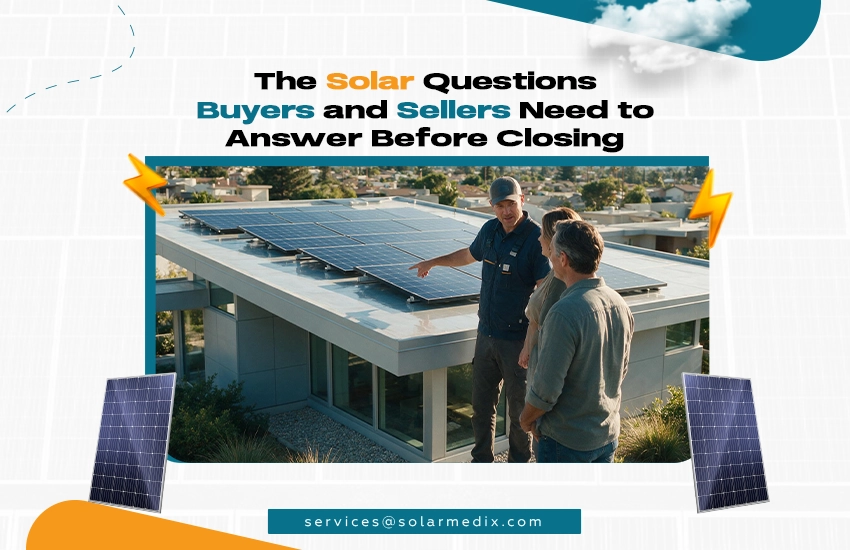
The Solar Questions Buyers and Sellers Need to Answer Before Closing
Whether you’re buying or selling, asking the right questions early can prevent unnecessary delays later. These are the conversations we recommend having before contracts become unconditional, giving everyone a clearer picture of the solar system and reducing the chance of surprises before settlement.
For Sellers: What Documents Should You Have Ready About Your Solar System?
One of the easiest ways to build buyer confidence is to have your solar paperwork organized before your property goes on the market.
The more information you can provide upfront, the fewer questions you’ll need to answer later during negotiations.
Ideally, you should have the original installation documents, system specifications and equipment model numbers, manufacturer and workmanship warranty paperwork, service and maintenance records, previous inspection reports, monitoring details, repair invoices, information about any financing, lease or PPA, and details of your current solar service provider.
Don’t worry if you’re missing some of these documents. It’s quite common, especially if the system was installed many years ago or you’ve recently purchased the property yourself. In many cases, we can help identify equipment, inspect the system, and document its current condition before the home is listed.
For Buyers: What Should You Ask Before Making an Offer on a Solar Home?
Solar should never be treated as an afterthought. Before making an offer, it’s worth asking a few simple questions that can save you significant time and money after settlement.
Before making an offer, buyers should confirm who owns the system, when it was installed, whether the inverter or other equipment has been replaced, whether monitoring is active, whether the system has been recently serviced or inspected, what warranties remain, who currently services it, whether any equipment has been repaired, whether the roof may need work, and whether there are any outstanding finance agreements.
If the seller can’t answer several of these questions, it doesn’t necessarily mean there’s a problem. It simply means it’s worth arranging a professional solar inspection before moving forward.
Having the system independently assessed removes guesswork and gives you a much clearer understanding of what you’re buying.
Does the Solar Warranty Transfer to the New Owner?
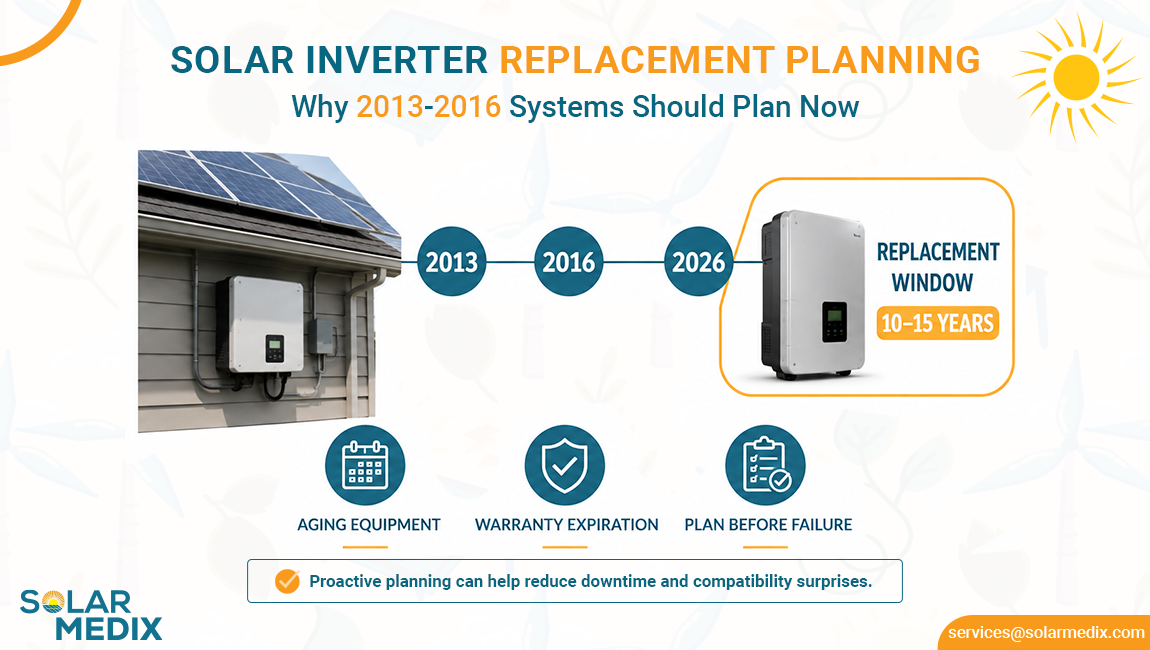
In many cases, yes, but it depends on the type of warranty. Most solar systems include two different forms of warranty. Manufacturer warranties typically cover equipment such as solar panels, inverters, optimisers and, where installed, batteries. These warranties can often transfer to a new homeowner, although some manufacturers require the new owner to register the change within a specified timeframe.
Workmanship warranties are different. These are provided by the original installation company rather than the equipment manufacturer. If that installer has closed down, the workmanship warranty may no longer apply. This is why we always recommend confirming:
- Which warranties are still active.
- Whether ownership transfer is required.
- If any documentation is missing.
- Whether outstanding warranty claims should be completed before settlement.
If warranty support is required after the sale, our Solar Warranty RMA service can help homeowners manage manufacturer warranty claims and replacement equipment where eligible.
What If the Original Solar Installer Has Gone Out of Business?
This has become increasingly common over the past several years. Many homeowners are surprised to discover their installer no longer exists until they’re preparing to sell. Fortunately, that doesn’t mean the solar system is worthless.
The equipment itself is usually manufactured by companies that continue to honor their product warranties, even if the installer has closed. The biggest challenge is finding someone willing and qualified to service an existing system they didn’t originally install. That’s exactly where Solar Medix comes in.
We regularly take over what’s known as orphaned solar systems, helping homeowners by inspecting the system, restoring monitoring, diagnosing faults, confirming equipment condition, managing manufacturer warranty claims, and providing ongoing maintenance and repairs.
For many buyers, simply knowing there’s an experienced company ready to service the system removes one of their biggest concerns.
What Is a Solar Lease Assumption, and Does the Buyer Have to Qualify?
If the solar system is leased rather than owned, the agreement usually doesn’t disappear when the home is sold. Instead, the buyer typically assumes the existing lease. Depending on the leasing provider, this may involve a credit assessment, transfer documentation, approval before settlement, and acceptance of the remaining lease terms. Because every lease provider has slightly different requirements, it’s worth beginning this process as early as possible.
Leaving it until the week before settlement can create unnecessary delays for everyone involved. If you’re unsure whether your system is leased or owned, this should be one of the first things confirmed before listing your property.
What Happens to the SREC-II Registration When a Home Sells?
For homeowners participating in New Jersey’s Successor Solar Incentive (SuSI) Program, including SREC-II, ownership changes often require updates to the program registration. Exactly what’s required depends on who owns the solar system, whether the utility account is changing, the existing incentive registration, and the ownership structure of the property. If these details aren’t updated correctly, future incentive payments may be delayed or directed to the wrong account. It’s much easier to address this before settlement than afterward.
The New Jersey Clean Energy Program provides guidance on maintaining incentive eligibility and updating registrations following a property transfer. It’s also worth discussing the process with your closing attorney or real estate professional to make sure everything is completed as part of the sale.
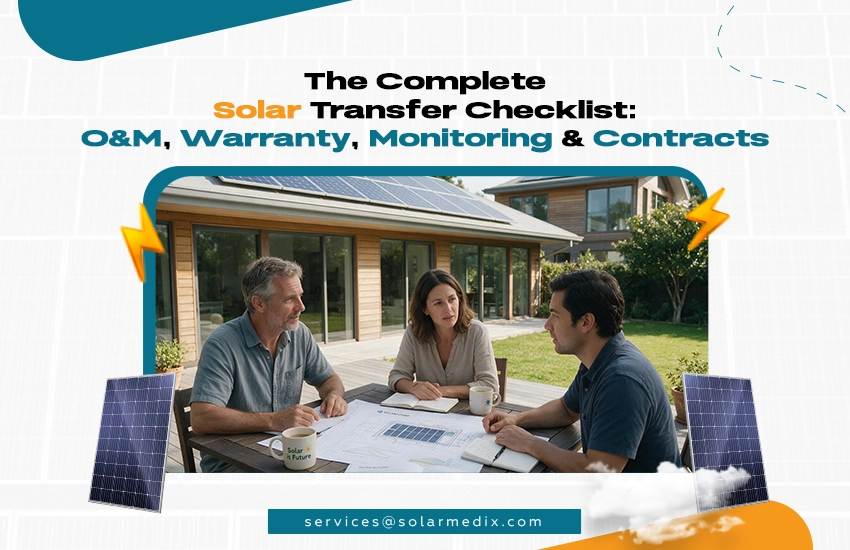
The Complete Solar Transfer Checklist: O&M, Warranty, Monitoring & Contracts
Once you’ve answered the key questions about the system, it’s time to work through a practical checklist. Completing these steps before closing helps avoid unexpected repairs, delays, and last-minute negotiations while giving both buyers and sellers confidence that the solar system is ready for its next owner.
Confirm: Owned, Leased, or PPA?
Before anything else, confirm whether the solar system is fully owned, financed, leased, or covered by a Power Purchase Agreement. This determines who owns the equipment, whether payments continue, whether the buyer needs additional approval, which warranties may transfer, and who receives available incentives after settlement.
If you’re unsure, ask for the original installation paperwork or financing documents before moving forward.
Get a Dedicated Pre-Sale or Pre-Purchase Solar Inspection
A standard home inspection isn’t designed to assess the health or performance of a solar system. A dedicated pre-sale or pre-purchase inspection provides both parties with a documented picture of the system’s condition before the transaction progresses. It can identify performance issues, equipment faults, roof-related concerns, monitoring problems or other issues that may otherwise surface during due diligence.
For sellers, this can demonstrate transparency and help address problems before they become negotiation points. For buyers, it reduces the risk of discovering unexpected repair needs after settlement.
Verify Equipment Warranty Status and Transfer Requirements
Solar warranties aren’t always automatic. Some manufacturers require ownership to be transferred within a specific timeframe after settlement, while others simply require proof of purchase. Before closing, confirm which equipment remains covered, when the warranties expire, whether ownership registration needs to be updated, and whether there are any existing claims or missing documents. Addressing these details before ownership changes hands can make the transition much smoother.
Confirm Monitoring Access Can Be Transferred to the New Owner
Monitoring is one of the most overlooked parts of a solar home sale. Without access to the monitoring platform, the new owner may have no way of confirming the system is producing electricity correctly or receiving fault notifications.
Before settlement, confirm which monitoring platform is installed, who has administrator access, whether the login details can be transferred, whether ownership needs to be updated, and whether the monitoring hardware is still communicating correctly.
If monitoring has stopped working altogether, we can restore or upgrade it through our solar monitoring installation service so the new homeowner starts with complete visibility of their system.
Check If the Roof Needs Work Before Listing (Detach & Reset Explained)
Planning to replace the roof before selling? Don’t leave the solar panels in place. Solar panels need to be professionally removed before roofing work begins and safely reinstalled once the new roof is complete. This process is commonly known as a detach and reset. Attempting shortcuts can lead to damaged panels, broken wiring, roof leaks, voided warranties, or reduced system performance.
Our solar removal & reinstallation team coordinates directly with roofing contractors to ensure the panels are removed, stored, and reinstalled correctly, protecting both the roof and the solar investment.
How a Third-Party Solar Inspection Removes Negotiation Obstacles
Many buyers simply want reassurance that they’re making a sound investment. A documented third-party solar inspection can provide both parties with a clear record of system performance, equipment condition, monitoring status, roof-related concerns, warranty availability and recommended repairs. Identifying these issues early can help prevent unnecessary negotiations during due diligence.
Can Solar Medix Handle the Full Transfer Package for Buyers and Sellers?
Solar Medix can coordinate the key parts of the solar transition, from pre-sale and pre-purchase inspections to system performance testing, monitoring transfers, warranty support, orphaned-system servicing, detach and reset work, and ongoing maintenance after settlement.
Whether you’re buying your first home with solar or preparing to sell a property that’s had panels installed for years, we’ll help ensure the system is fully documented, professionally serviced, and ready for its next owner.

Solar Medix Pre-Sale & Pre-Purchase Solar Services — NJ & NY
Buying or selling a home is stressful enough without wondering whether the solar system will complicate the process. Our team works with homeowners, buyers, real estate professionals, and attorneys across New Jersey and New York to make sure every transfer is handled professionally from start to finish.
What Solar Medix’s Pre-Sale Solar Inspection Includes
Our inspections go well beyond a visual assessment. We carefully evaluate solar panel condition, inverter performance, electrical components, roof attachments and flashing, monitoring functionality, system production, visible safety concerns and available warranty documentation. You’ll receive clear findings that help everyone understand the current condition of the system before settlement.
How We Handle Monitoring Transfer and Warranty Re-Registration
Changing ownership doesn’t have to mean losing access to your solar system. We can assist with monitoring account transfers, manufacturer registration updates, warranty documentation, equipment verification and system recommissioning where required. Our goal is to ensure the new homeowner can start monitoring and managing their solar system from day one.
Orphaned Systems at Closing: How Solar Medix Takes Over Seamlessly
If the original installer is no longer operating, we’ll step in. We’ll inspect the system, establish a service history where possible, restore monitoring if required, and provide ongoing maintenance so buyers know exactly who to contact after settlement.
Detach & Reset for Roof Work Before Listing What the Process Looks Like
If roof replacement is part of preparing your home for sale, we coordinate the solar side of the project from beginning to end. That includes safe removal of the solar system, secure storage during roofing work, professional reinstallation, system testing and monitoring verification before handover. This protects your investment while ensuring the system is ready for the next owner.
How to Schedule a Pre-Sale Solar Inspection With Solar Medix This Week
Whether you’re listing your home next month or buying one with solar already installed, getting the system inspected early can save significant time and stress later. Our experienced technicians work throughout New Jersey and our licensed New York service area, providing practical advice and professional solar servicing whenever it’s needed.
Ready for a Smooth Solar Home Sale?
A solar system shouldn’t become an unexpected obstacle during a home sale. With the right inspection, documentation and transfer planning, buyers and sellers can move forward with greater confidence. Solar Medix can help with the technical side of the transition, from inspection through ongoing service.
Schedule Your Pre-Sale Solar Inspection