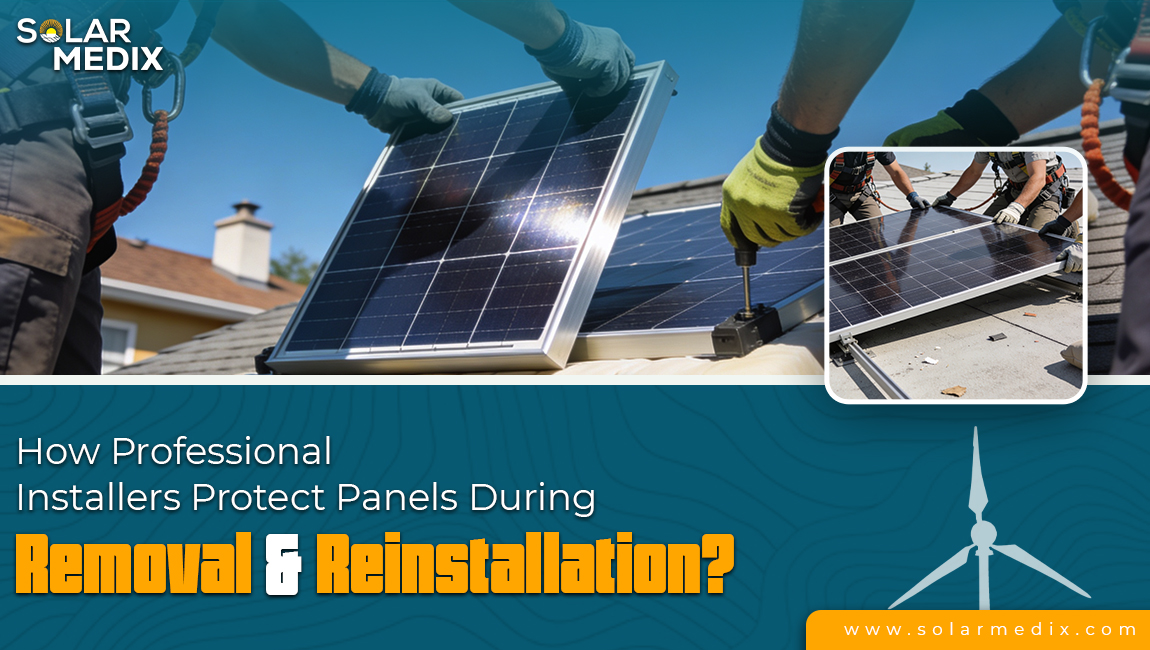
Solar panels withstand decades of exposure to the elements, from heavy snow loads to scorching summer heat. However, their durability is most tested not by the weather but during the intricate processes of removal and reinstallation. Photovoltaic (PV) modules are sensitive electronic components housed in tempered glass. So, even a minor lapse in handling causes micro-cracks or frame warping that compromises the entire system’s efficiency.
Professional installers prioritize structural integrity and electrical safety so your investment remains protected throughout the transition.
The process of de-mounting and re-mounting a solar array requires specialized tools and a deep understanding of mechanical fasteners and electrical circuitry. By utilizing industry-standard safety protocols, professionals mitigate the risks associated with human error. They ensure that every wire is secured and every panel is handled with the precision it deserves.
When you work with experts, a seamless transition happens that mirrors the quality of the original installation. This involves a comprehensive approach. It includes the following:
- Specialized transport equipment
- Climate-controlled storage considerations
- Rigorous testing once the system is back in place

Why Solar Panels Need to Be Removed
Solar systems are intended to be permanent fixtures. Still, several scenarios require their temporary removal. The most common reason is roof maintenance or replacement. High-quality solar panels often outlast the standard lifespan of asphalt shingles. That is why many homeowners find themselves needing a new roof while their solar system is still in its prime. Removing the panels allows roofing contractors to install a fresh, watertight layer without the obstruction or risk of damaging the solar hardware.
Beyond simple roof replacements, panels are removed to facilitate structural upgrades or to address unexpected roof leaks that occur underneath the mounting brackets. In some cases, a homeowner requests a system relocation or redesign to accommodate a home addition or to optimize the array’s orientation for better sunlight exposure. Regardless of the reason, the goal is to make the underlying structure sound before the system is re-secured for the next several decades of service.
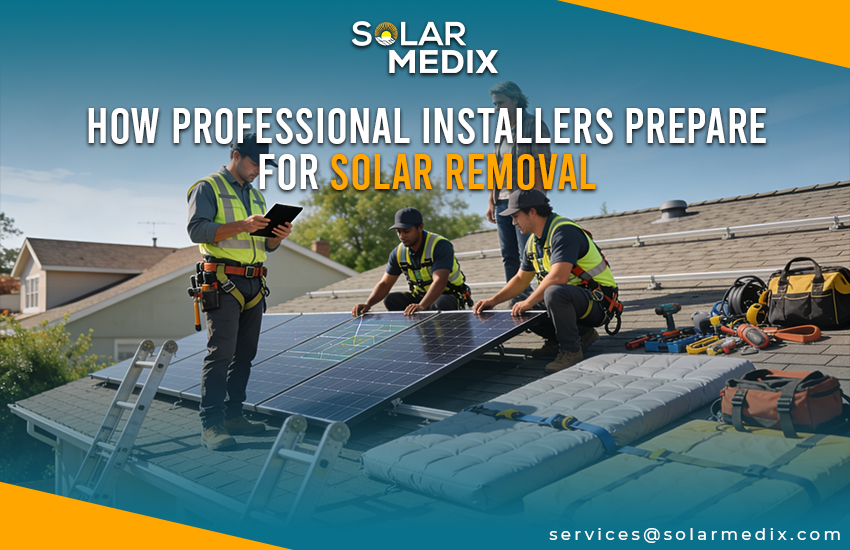
How Professional Installers Prepare for Solar Removal
A successful removal begins long before a technician climbs onto the roof. Preparation is the foundation of a damage-free process. It ensures that the system is handled systematically rather than haphazardly.
- System shutdown procedures: First, they ensure the inverter is properly powered down, and the DC/AC disconnects are engaged to eliminate the risk of electrical shock.
- Reviewing system design and layout: Then, they familiarize the team with the specific racking brands and wiring paths.
- Documenting panel positions: After that, they create a map locating each specific panel, so they return to their original spots for consistent performance.
- Assessing roof condition: Lastly, they identify any pre-existing damage to the roof or the solar equipment before work begins.

How Panels Are Protected During Storage
Once the panels are safely off the roof, the storage phase is where many systems are at their highest risk for “invisible” damage. Professionals do not simply lean panels against a wall. They utilize specialized storage protocols to prevent glass breakage or cell degradation. This typically involves storing panels in safe, dry environments where they are protected from extreme temperature fluctuations and accidental impacts from heavy machinery or foot traffic.
To further safeguard the equipment, installers use heavy-duty padding and protective covers between each panel when they are stacked. This prevents the aluminum frames of one panel from scratching the glass surface of another. By preventing exposure to moisture, debris, and UV degradation during the “downward” period, installers ensure that the panels remain in “as-removed” condition, ready for a high-performance second act.

How Professionals Ensure Safe Solar Reinstallation
Reinstallation of solar panels is more than just reversing the removal process. It is a full-scale system deployment that must meet current building codes and safety standards. Installers treat the re-mounting phase as a brand-new installation. They focus on the integrity of the roof seals and the precision of the electrical connections.
- Accurate Panel Repositioning: Using the pre-removal map to return panels to their optimal locations.
- Secure Mounting System Installation: Replacing old flashing and ensuring all roof penetrations are 100% waterproof.
- Electrical Reconnection & Testing: Inspecting all wires for wear and ensuring all connections are torqued to manufacturer specifications.
- Performance Testing After Reinstallation: Running a full system diagnostic to verify that the energy output matches expected levels.

5 Benefits of Hiring Professional Solar Installers
Attempting to remove or reinstall solar panels as a DIY project or with a general contractor leads to costly mistakes. Solar energy systems are complex electrical power plants. They require specific expertise to handle safely. By hiring specialists, you ensure that every technical nuance is addressed, from the torque of a bolt to the resistance in a wire.
- Reduced risk of panel damage
- Protection of system warranties
- Accurate reinstallation
- Maintained system efficiency
- Peace of mind

Protect Your Solar Investment with Solar Medix’s Expert Removal & Reinstallation!
When it comes to the longevity of your solar energy system, you cannot afford to take shortcuts. Solar Medix provides the technical proficiency and care required for a flawless transition. We treat every panel as if it were our own, utilizing industry-leading protection protocols to ensure your system returns to service in peak condition.
Our comprehensive solar panel removal and reinstallation services take the stress out of home maintenance. We handle everything from the initial system audit and shutdown to the final performance verification. Our technicians spot potential issues before they become expensive problems, giving you a refreshed roof and a perfectly tuned solar system in one seamless experience.
Don’t risk your warranty or your system’s performance by settling for anything less than expert service. Contact Solar Medix today to schedule your consultation. We help you protect your solar investment for years to come.

Frequently Asked Questions
Can solar panels be removed and reinstalled?
Yes, solar panels can be removed and reinstalled, often called a “detach and reset”. This process typically happens for roof repairs, home upgrades, or relocation.
What must be done after panel installation is complete?
You must pass a local city or county electrical inspection and obtain Permission to Operate (PTO) from your utility company before turning the system on.
Do solar panels need to be covered during installation?
Yes. Cover them with an opaque material during installation to enhance safety and prevent electrical shock.
What happens when solar panels are removed?
They are professionally de-installed, transported to specialized facilities, and recycled, where aluminum frames and junction boxes are detached first. The remaining materials undergo advanced mechanical shredding or heat treatment (pyrolysis) to separate glass, plastics, and valuable metals for reuse.