
Community solar can look healthy from a distance and still lose value quietly. In New Jersey, subscribers must receive at least a 15% bill credit discount for the life of the subscription, so what hidden community solar O&M risks should asset owners plan for?
Quick AnswerAt Solar Medix, we plan community solar O&M around the issues that hurt production most: inverter faults, SCADA or DAS reporting gaps, vegetation shading, connector wear, wiring trouble, erosion, and delayed field service. These projects need daily monitoring, scheduled inspections, and fast corrective work because underperformance can affect output, subscriber value, and project revenue at the same time. To protect long-term asset value, owners need to understand where performance losses usually begin. |
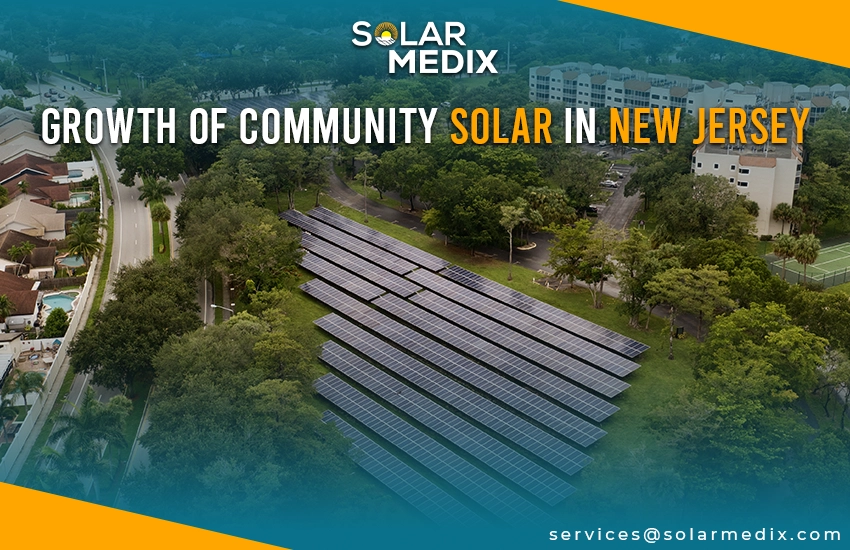
Growth of Community Solar in New Jersey
New Jersey did not treat community solar like a short test run. In August 2023, the New Jersey Board of Public Utilities made the Community Solar Program permanent after two successful pilot years.
That decision set the stage for fast growth. As of March 2026, the program has expanded to 162 operational projects totaling 228 MW of capacity, delivering more than $70 million in bill credits and $14 million in net savings to over 37,000 subscribers statewide. NJBPU has since approved a further 3,000 MW expansion — the largest capacity allocation in state history — expected to serve about 450,000 subscribers once fully subscribed.
That kind of growth changes the job. Once more assets come online, uptime starts shaping asset value more than launch-day excitement.
And there is another layer. NJBPU also requires community solar projects to provide a guaranteed bill credit discount of at least 15 percent for the life of the subscription. That means underperformance does not stay inside an operations report. It can touch subscriber expectations too.
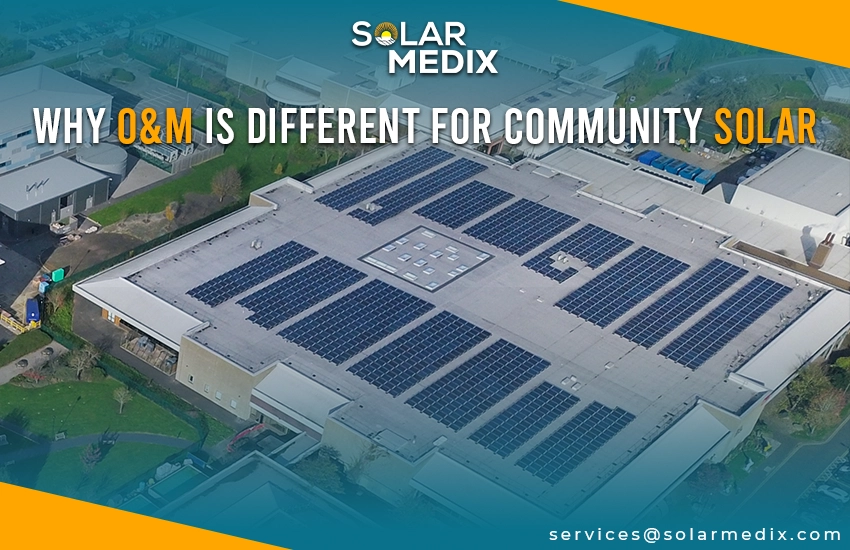
Why O&M Is Different for Community Solar
A behind-the-meter commercial array can absorb some performance noise. A community solar project usually has less room for that.
These assets connect technical performance to subscriber billing, portfolio reporting, and public-facing program rules. That changes the risk profile.
- Contractual Risk: Lower output can weaken the economics behind promised subscriber bill credits.
- Scale Complexity: Community sites often spread across large electrical footprints with more strings, more combiner points, and more failure points.
- Public Visibility: Program rules, subscriber expectations, and utility coordination make problems harder to hide.
- Revenue Sensitivity: A small production gap, repeated across months, can cut project returns fast.
- Service Pressure: Asset owners need faster diagnostics because delays can affect both cash flow and confidence.
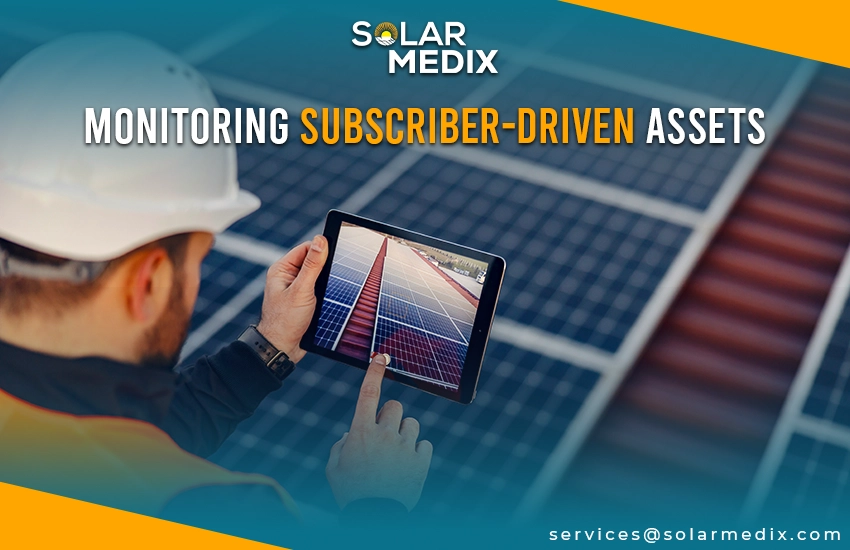
Monitoring Subscriber-Driven Assets
Monitoring in community solar is not just about seeing whether the system is on. It is about seeing whether each part of the site is doing its share, every day, without drift or blind spots.
At Solar Medix, we treat data as the early warning layer of Solar O&M. Our O&M work includes system performance monitoring, preventive inspections, inverter diagnostics, corrective maintenance, and reporting because hidden loss usually shows up in data before it shows up in the field.
When DAS and SCADA data fall out of sync, problems spread. A string may underperform, an inverter may clip, or a reporting gap may distort production history. On a subscriber-driven asset, that creates noise in billing support, portfolio oversight, and monthly performance tracking.
It also affects decision speed. If you cannot trust the data, you cannot rank repairs well.
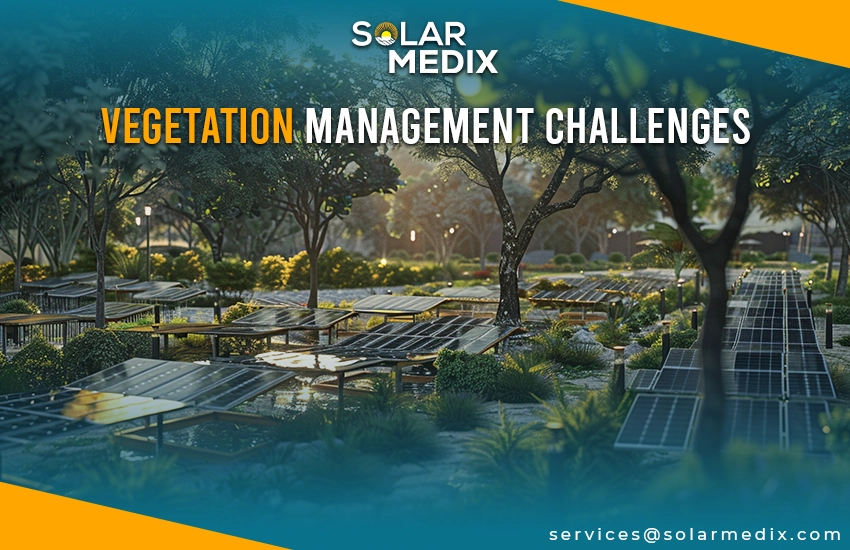
Vegetation Management Challenges
Ground-mount community solar looks tidy on paper. In the field, plant growth does not care about your site plan.
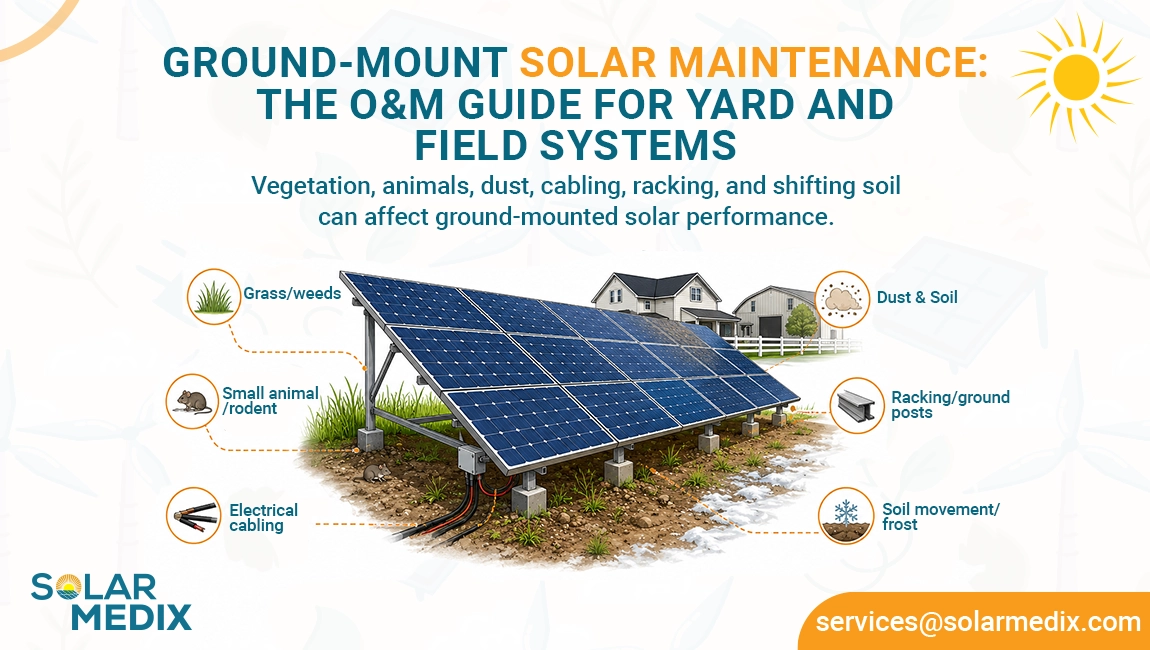
New Jersey sites deal with fast summer growth, wet periods, and storm-driven erosion. If vegetation work slips, lower module rows and access paths take the hit first.
- Tall weeds can shade lower panel edges.
- Invasive vines can climb racking and pull on wiring.
- Thick growth can block safe technician access.
- Storm runoff can wash soil away near foundations.
- Uneven ground cover can hide pest activity near combiner areas.
Left alone, this becomes more than a mowing issue. It turns into a production issue, then a safety issue.
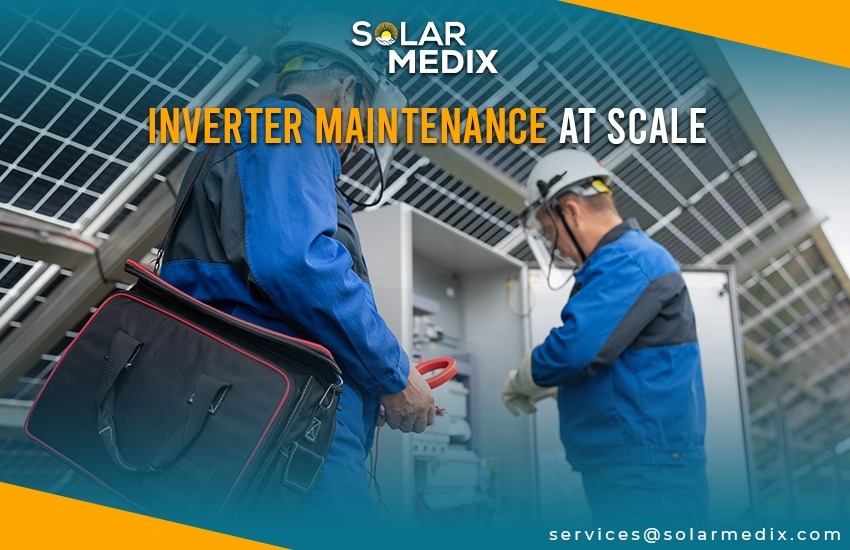
Inverter Maintenance at Scale
Inverter care gets harder as project size grows. A single weak unit in a large site may not trip a dramatic alarm, yet it can still drag down yield.
Solar Medix includes inverter diagnostics and repairs as part of its O&M approach because inverter health sits at the center of day-to-day performance.
- Thermal Management: Dust and heat can reduce cooling and force output curtailment.
- Firmware Drift: Old firmware can affect reporting, fault handling, and reset behavior.
- Replacement Timing: Large sites need spare-part planning before failures happen.
- Architecture Decisions: String and central inverter layouts create different service paths.
- Alarm Fatigue: Repeating minor faults can hide the one issue that really matters.
Read our latest blog, “When Should You Schedule a Thermal / Infrared Solar Inspection?” to see when a thermal inspection can help catch hidden solar issues before they affect system performance.

Production Guarantees and Revenue Risk
Community solar projects run on more than sunlight. They run on trust, performance modeling, and clean monthly delivery. When production drops, the damage is not only technical.
NJBPU says subscribers are guaranteed a minimum bill credit discount for the duration of their subscriptions. If output falls and asset performance slips, owners and managers feel the pressure from both sides: project economics and subscriber value.
- Warning: In community solar, underperformance can quietly erode revenue while also weakening the customer promise behind the project.
That is why passive management is risky. A problem that sits for two weeks may show up for months in the numbers.
How Preventive Maintenance Protects Subscriber Savings
Preventive work gives owners a chance to fix revenue leaks before they widen. It also protects the steady output that keeps subscriber savings on track.
At Solar Medix, we build O&M around monitoring, inspections, panel performance checks, inverter diagnostics, warranty support, and corrective reporting because steady production depends on routine attention.
- Thermal inspections help catch hot spots early.
- Panel checks reveal surface issues and weak modules.
- Inverter service reduces avoidable downtime.
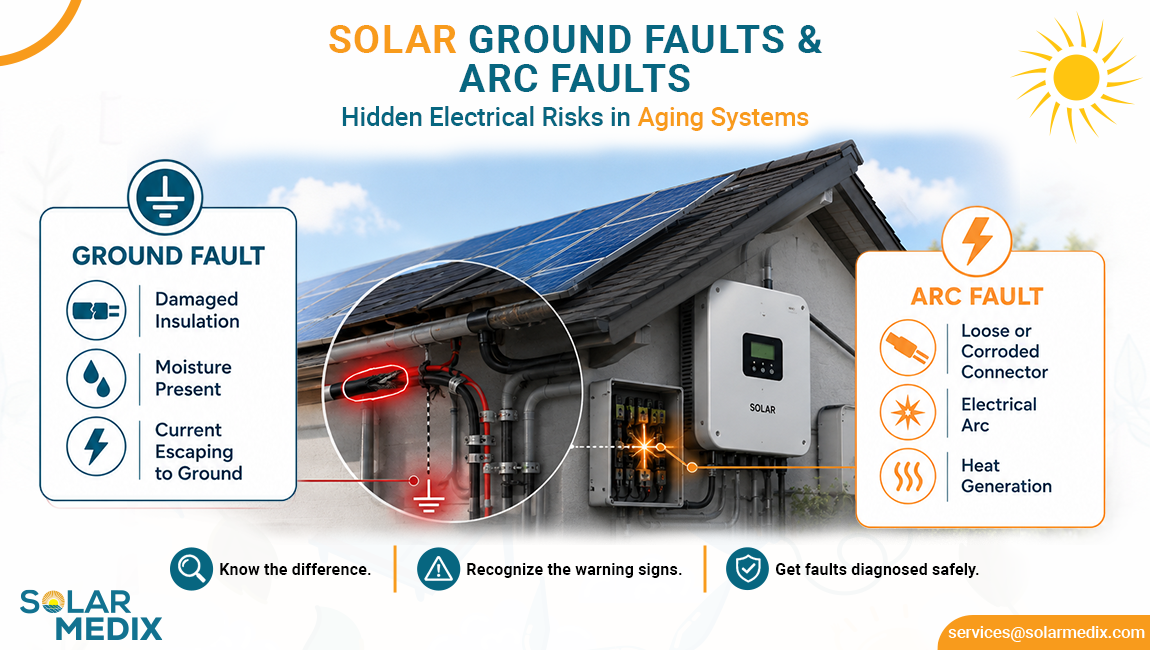
- Electrical reviews find loose or aging connections.
- Vegetation control protects light access and field safety.
- Better records support smarter repair timing and warranty handling.
Community Solar O&M Checklist
Good asset management works best when it follows a set rhythm. You do not want every service decision to feel like a fire drill.
Use this checklist to keep the basics from slipping.
- Review SCADA alerts daily for weak strings, missing data, and inverter anomalies.
- Compare actual production against expected site performance each month.
- Clear vegetation on a scheduled cycle before shading reaches lower module rows.
- Inspect combiner boxes, connectors, and visible wiring during field visits.
- Service inverters before heat season, not after repeated summer faults.
- Run annual thermal checks, including aerial infrared inspections, to find hidden hot spots.
- Document every repair, alarm trend, and replacement for future analysis.
- Escalate recurring inverter dropouts to a qualified solar service team before they grow into bigger outages.
Also read our blog, Professional Solar O&M vs Basic Solar Maintenance, to better understand how full O&M support differs from routine solar upkeep
Conclusion: Shifting from Mitigation to Performance
Community solar owners cannot afford to treat O&M like a cleanup job after something breaks. In New Jersey, the program is bigger, more visible, and more tied to subscriber outcomes than ever before. That makes uptime, reporting accuracy, inverter health, and vegetation control part of the financial model, not side tasks.
We at Solar Medix position ourselves as a full-service O&M provider with monitoring, inspections, inverter diagnostics, panel checks, warranty support, and corrective reporting for solar assets. We bring that field-first mindset to every site because missed production does not stay small for long.
Book A New Jersey Community Solar Asset Review
Underperformance is a quiet margin killer. Contact Solar Medix to schedule a project review and protect long-term output, subscriber value, and asset returns.
Frequently Asked Questions
How Is Community Solar Maintained?
Community solar is maintained through remote monitoring, scheduled inspections, vegetation control, inverter service, and electrical testing. A strong program blends daily performance review with field work so faults do not sit unnoticed for long.
Who Is Responsible for Community Solar Maintenance?
The project owner, long-term asset manager, or a third-party O&M provider handles maintenance. Subscribers do not maintain the system. The asset side carries that duty because the project must keep meeting grid and billing commitments.
How Often Should Community Solar Farms Be Inspected?
Remote monitoring should happen every day. Physical inspections should happen at least twice a year, with deeper engineering checks done annually or whenever output, alarms, or site conditions suggest a hidden fault.
What Happens if a Community Solar Project Underperforms?
Underperformance cuts production, weakens revenue, and can make subscriber value harder to protect over time. In New Jersey, guaranteed subscriber bill credit discounts raise the stakes because asset output supports that promise.