
Solar Tips

What Corrodes First on a Shore-Area Solar System

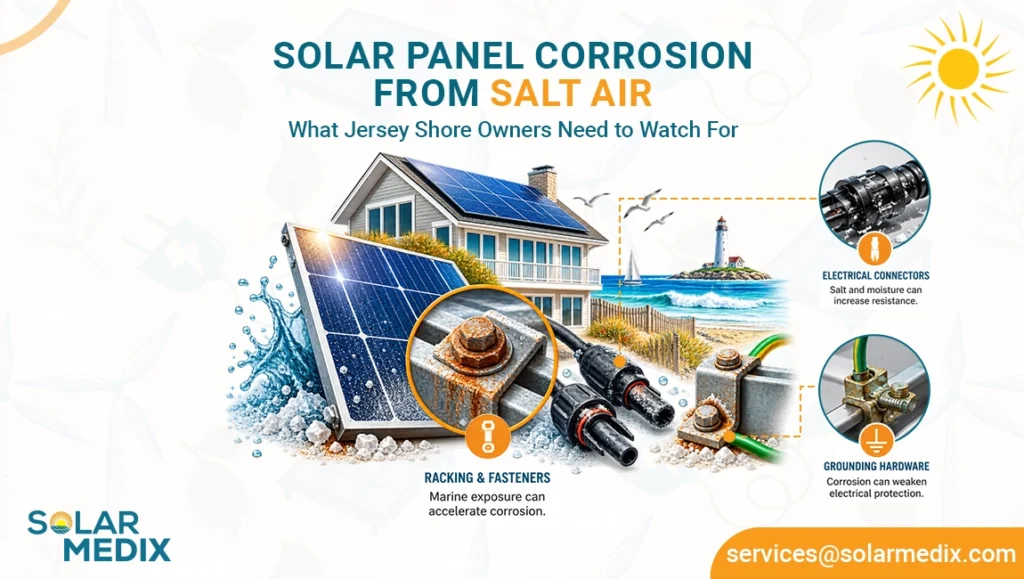
Solar Panel Corrosion From Salt Air: What Jersey Shore Owners Need to Watch For

Solar panel corrosion from salt air can damage racking, fasteners, grounding connections, and panel connectors on Jersey Shore systems, causing faults and production losses even when the panels themselves look fine. Systems near Monmouth, Ocean, Atlantic, and Cape May counties should generally receive a coastal-focused inspection at least once a year, with closer attention for […]

Solar Panel Corrosion From Salt Air: What Jersey Shore Owners Need to Watch For Read More »

Solar Rapid Shutdown Explained

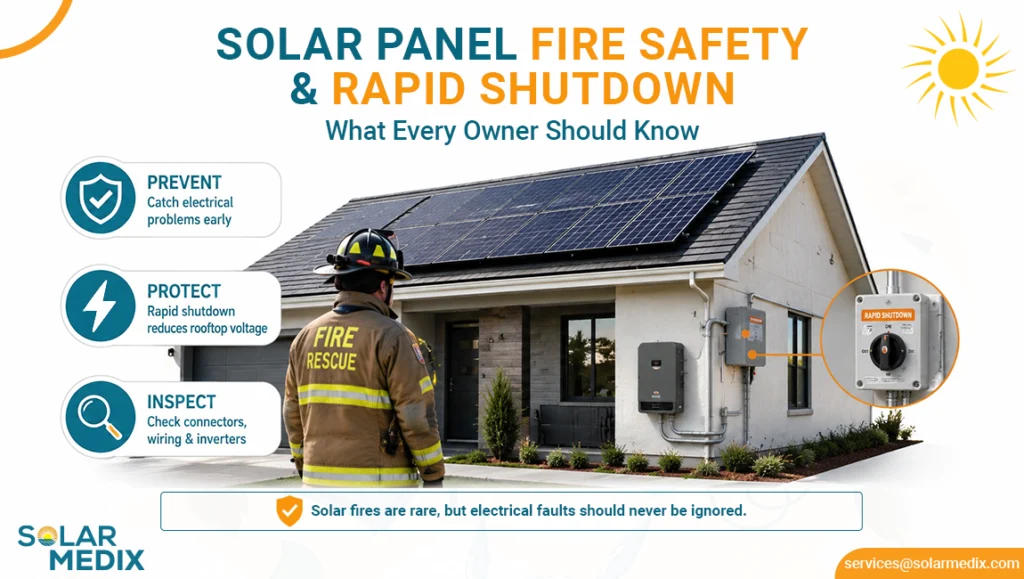
Solar Panel Fire Safety and Rapid Shutdown: What Every Owner Should Know & Test

Solar panel fire safety is mainly about preventing electrical faults in wiring, connectors, and inverters, recognizing warning signs early, and ensuring required safety equipment such as rapid shutdown is working correctly. Solar fires are rare, and a properly installed and maintained system is generally safe, but damaged or aging components can increase the risk over

Solar Panel Fire Safety and Rapid Shutdown: What Every Owner Should Know & Test Read More »

End-of-Summer Solar Maintenance Checklist

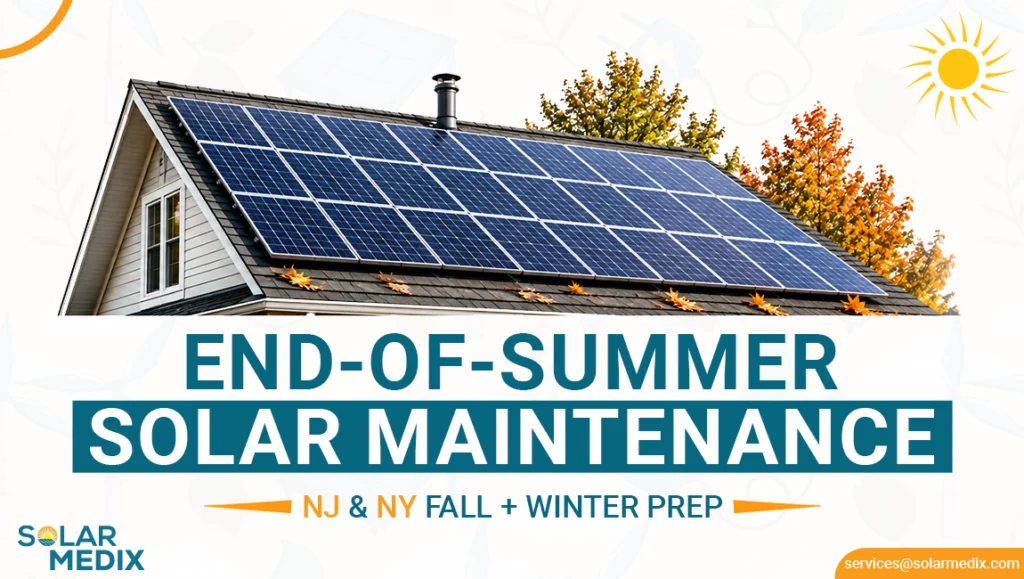
The End-of-Summer Solar Maintenance Checklist: Get NJ & NY Systems Ready for Fall and Winter

This End-of-Summer Solar Maintenance Checklist gives NJ and NY homeowners a chance to check for summer wear, production changes, debris, loose hardware, and winter-readiness before fall and winter conditions arrive. Late August is a useful time to catch small issues before shorter days, falling leaves, storms, snow, and ice make them harder to address. The

The End-of-Summer Solar Maintenance Checklist: Get NJ & NY Systems Ready for Fall and Winter Read More »

What Should You Check After a Hurricane

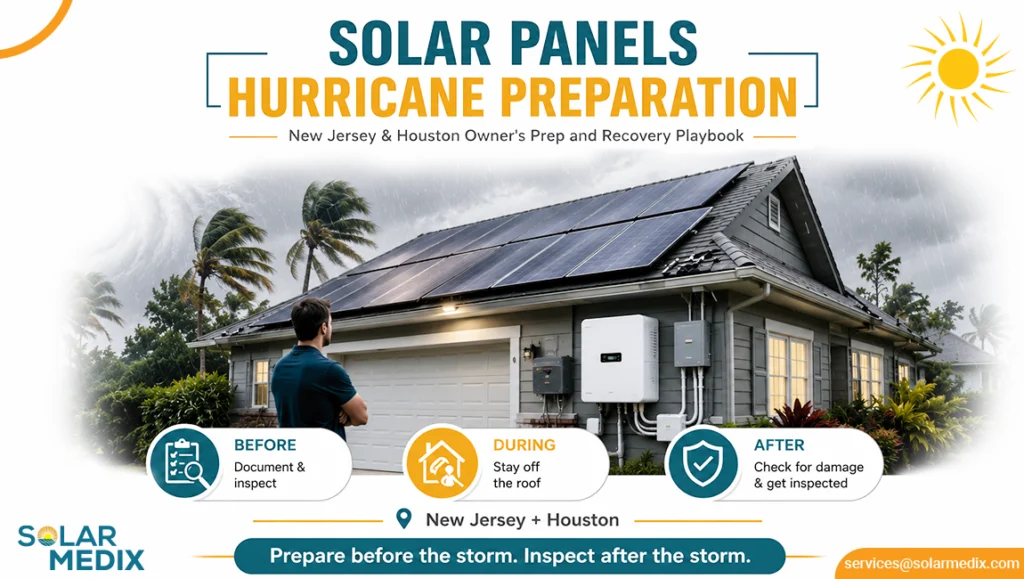
Solar Panels Hurricane Preparation: A New Jersey and Houston Owner’s Prep and Recovery Playbook

Solar panels hurricane preparation means documenting the system, checking its mounting and safety controls before a storm, leaving it alone during high winds, and arranging a professional inspection afterward if damage is suspected. Before a storm, photograph the system, confirm it has been recently inspected, and know the location of the rapid shutdown and main

Solar Panels Hurricane Preparation: A New Jersey and Houston Owner’s Prep and Recovery Playbook Read More »

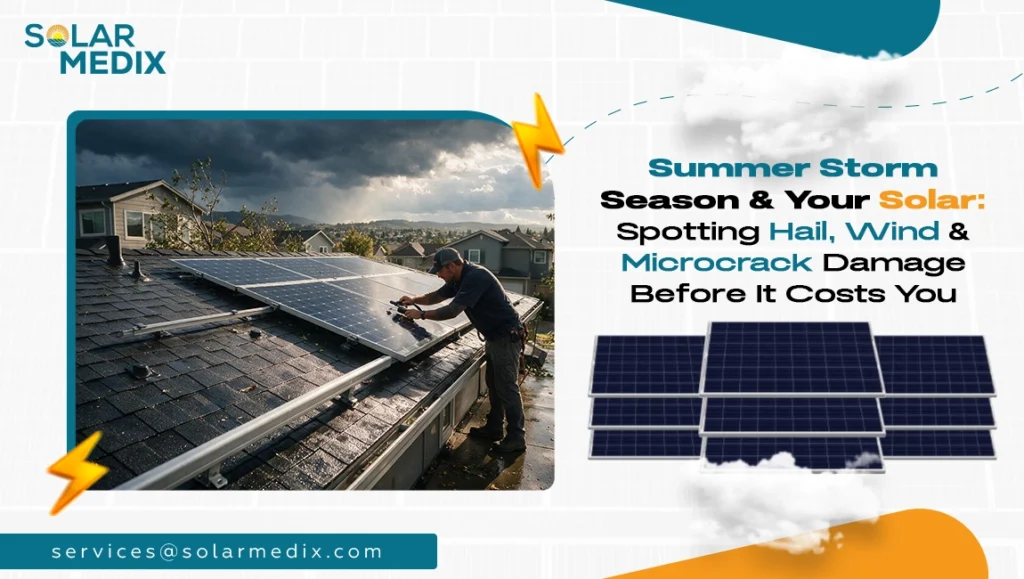
Solar Panel Storm Damage Spotting Hail and Microcracks

Summer Storm Season & Solar Panel Storm Damage: Spot Hail, Wind & Microcracks Early

The clearest sign of solar panel storm damage is a sudden or sustained drop in system production after a severe weather event. Visible damage such as shattered glass, shifted panels, or dented mounting rails is easy to spot, but microcracks in the solar cells can remain hidden and cause electrical losses and hot spots over

Summer Storm Season & Solar Panel Storm Damage: Spot Hail, Wind & Microcracks Early Read More »

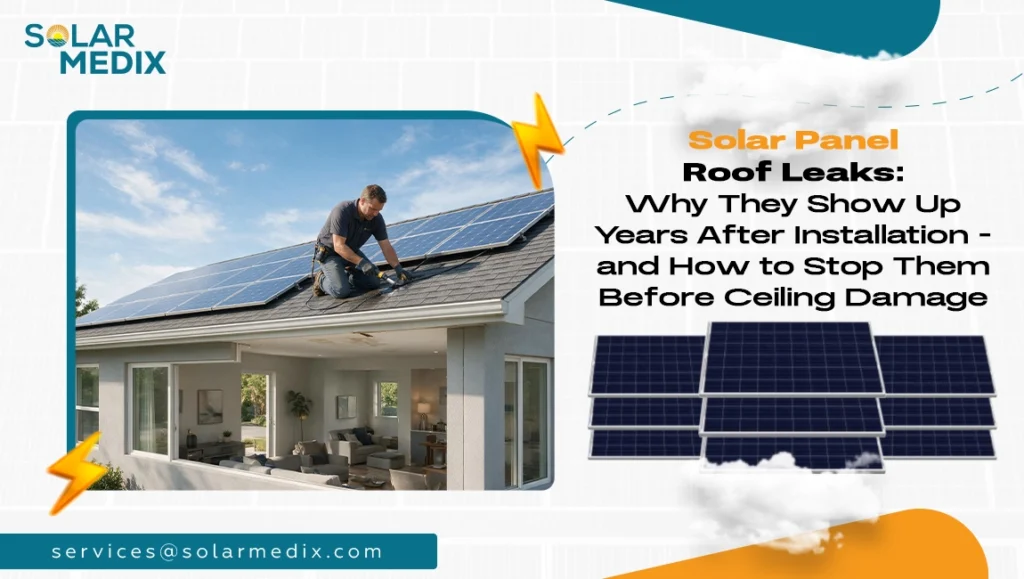
Solar Panel Roof Leaks Why They Leak Years After Install

Solar Panel Roof Leaks: Why They Show Up Years After Installation and How to Stop Them Before Ceiling Damage

Solar panels themselves almost never leak — the risk comes from mounting points, roof penetrations, and flashing that anchor the array. These seals degrade over time from UV exposure, temperature swings, and freeze-thaw cycles, which is why leaks so often surface 5–10 years after installation, frequently right after a summer storm. If you see a

Solar Panel Roof Leaks: Why They Show Up Years After Installation and How to Stop Them Before Ceiling Damage Read More »

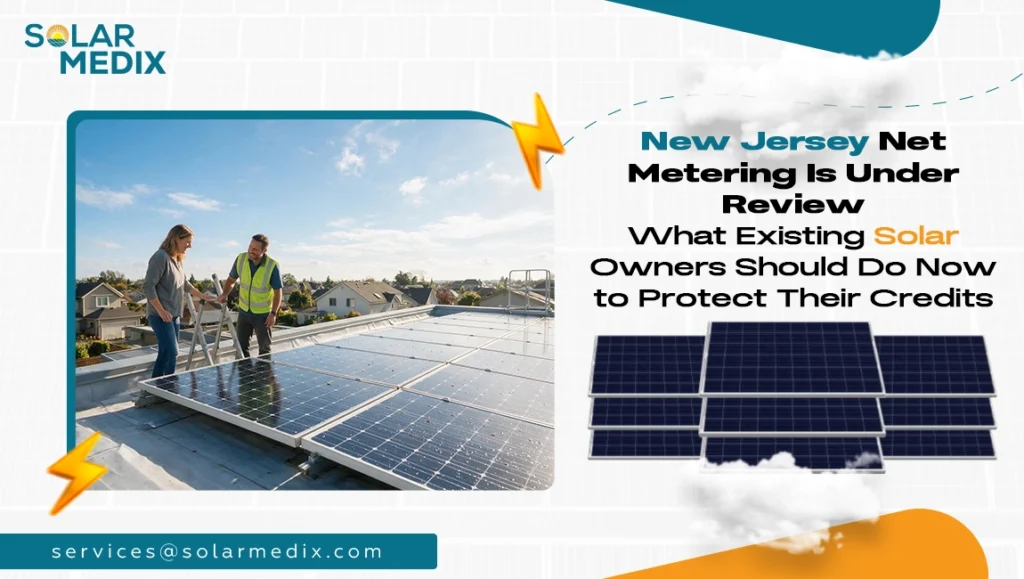
What Is New Jersey Net Metering — And Why Solar Owners Are Paying Attention Right Now

New Jersey Net Metering Under Review: What Existing Solar Owners Should Do to Protect Their Credits

Existing solar owners should protect their New Jersey Net Metering benefits by keeping their interconnection records, checking system production, and confirming their system remains compliant with utility requirements. New Jersey currently credits eligible excess solar generation at the retail rate, but future policy changes could affect new participants. Keeping your paperwork and monitoring production can

New Jersey Net Metering Under Review: What Existing Solar Owners Should Do to Protect Their Credits Read More »

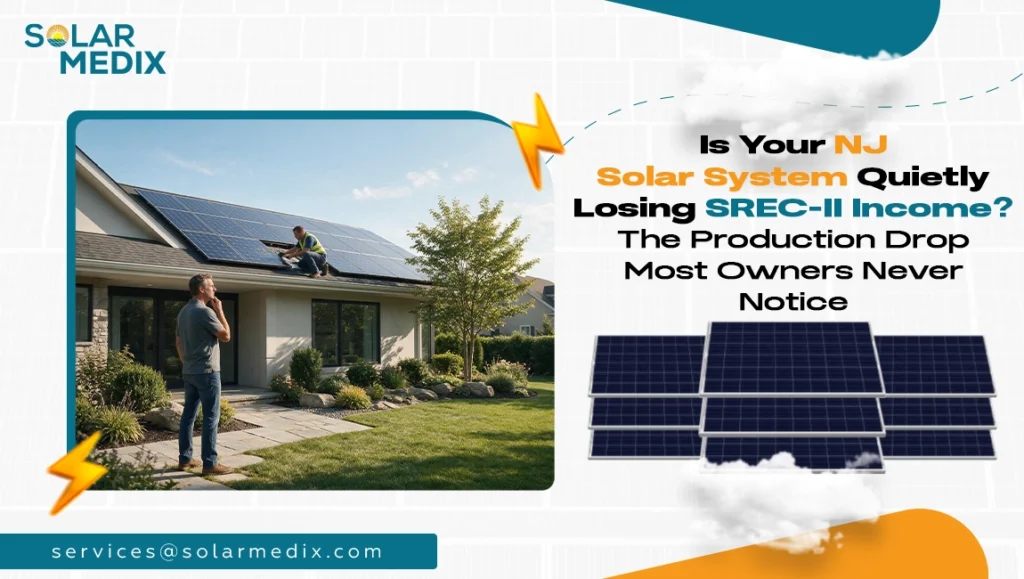
NJ Solar System Underperformance SREC-II Income

Is NJ Solar System Underperformance Quietly Reducing Your SREC-II Income?

NJ solar system underperformance can directly reduce your SREC-II income because your incentives depend on how much electricity your system produces. Even an 8–15% production drop from dirt, shading, equipment issues, or panel degradation can mean fewer incentives and net metering credits. Solar Medix helps identify hidden production losses and restore system performance so you

Is NJ Solar System Underperformance Quietly Reducing Your SREC-II Income? Read More »

How to Read Your Inherited Solar Lease The 5 Contract Sections That Matter Most

Inherited a Solar Lease or PPA? How to Read the Contract When Your Installer Changed Hands

If you’ve inherited a solar lease or PPA after your installer changed hands, start by reviewing the contract carefully. Check who now manages the agreement, how long the contract runs, your payment terms, maintenance responsibilities, warranty coverage, and any buyout or transfer options so you understand your rights and obligations moving forward. When you signed

Inherited a Solar Lease or PPA? How to Read the Contract When Your Installer Changed Hands Read More »

buying selling home with solar complete checklist

Buying or Selling a Home With Solar in NJ or NY? Your O&M, Warranty & Transfer Checklist

If you’re buying or selling a home with solar, the first thing you need to confirm is whether the system is owned, leased, or covered by a Power Purchase Agreement (PPA). That one answer affects the home’s value, warranty transfers, monitoring access, SREC-II incentives, and who will service the system after closing. Before settlement, buyers

Buying or Selling a Home With Solar in NJ or NY? Your O&M, Warranty & Transfer Checklist Read More »

Scroll to Top