The solar industry has a dirty little secret. For years, buyers were told that solar panels are a “set it and forget it” technology. Install them, watch the utility bill drop, and let the sun do the rest. It is a beautiful pitch. It is also completely wrong.
While silicon wafers are engineered to withstand decades of brutal exposure, a solar energy system is a complex, live power plant. Dust accumulates. Connections loosen. Inverters overheat.
Without a proactive strategy, a new array can quietly degrade, dragging your financial return down with it. That is where Solar Operations and Maintenance (O&M) comes in. Here is exactly what it takes to protect your asset, maintain peak efficiency, and stop energy bleeding before it starts.
Understanding the Approaches: The Three Pillars of Modern Solar O&M
Not all maintenance is born equal. Managing a solar asset effectively means balancing three distinct operational approaches. Waiting for something to break is a financial trap; over-servicing is a waste of capital.
| O&M Pillar | Operational Style | Primary Objective |
| Preventative | Scheduled & Routine | Catching wear and tear before failure occurs. |
| Corrective | Reactive & Rapid | Restoring power immediately after a fault. |
| Predictive | Data-Driven & Smart | Using analytics to fix components just before they die. |
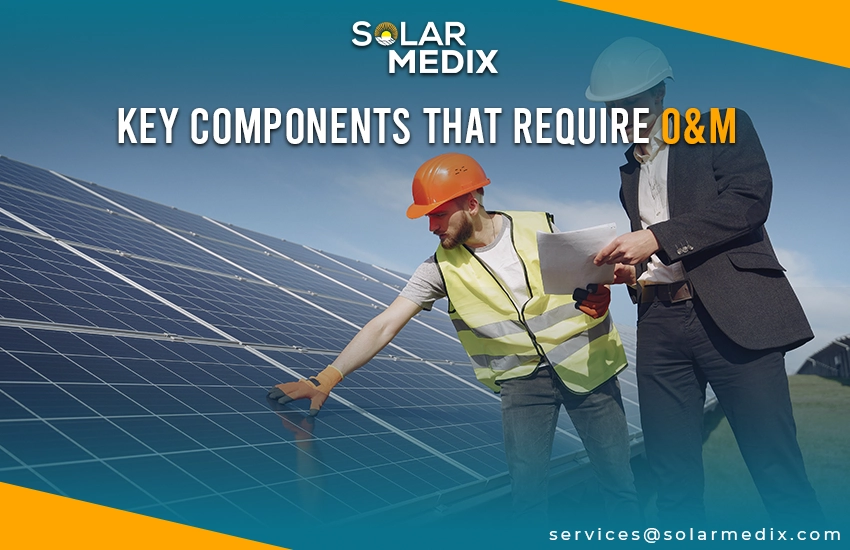
Key Components That Require O&M
To manage a system, you have to know what breaks. A solar array is only as strong as its weakest electrical or structural link.
Solar PV Modules
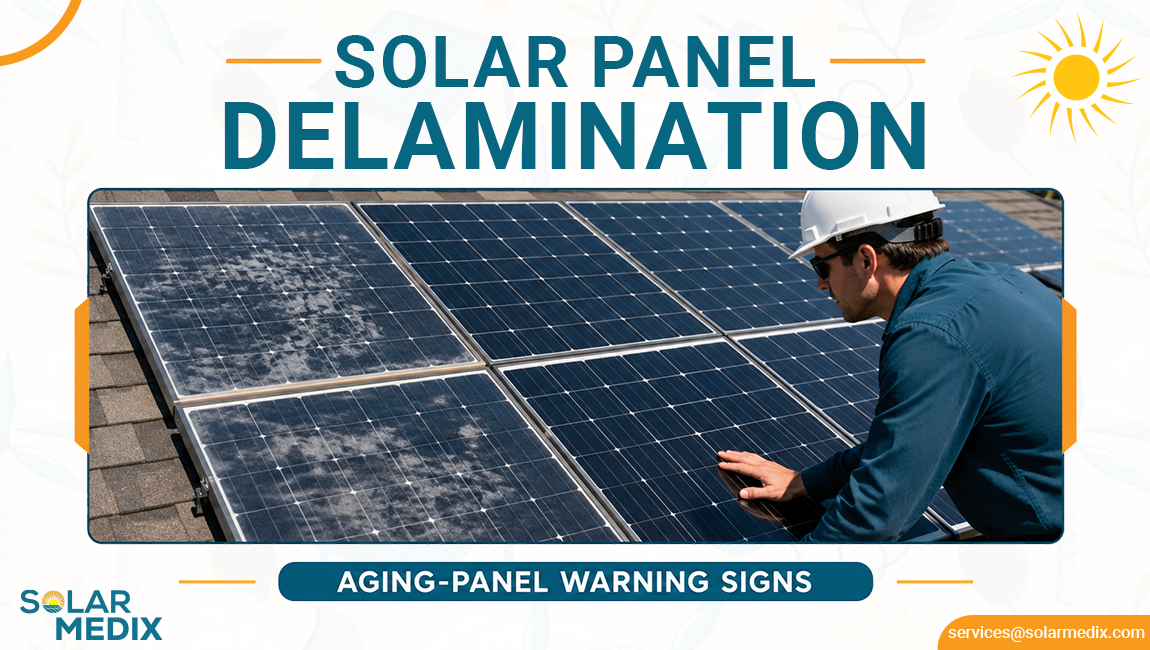
Panels are incredibly durable. But they bear the brunt of nature. They face relentless UV radiation and thermal expansion. Over time, moisture can seep into the laminate, causing delamination, while external debris creates localized performance bottlenecks.
Inverters
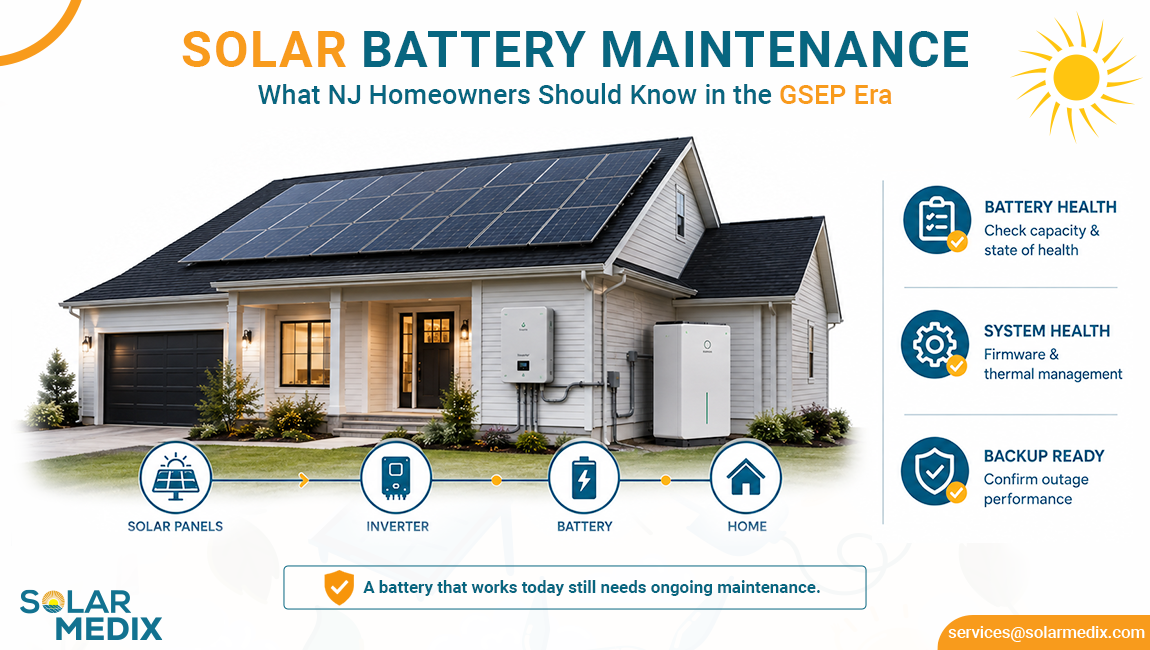
If panels are the muscle, the inverter is the brain. It converts DC power to usable AC power. Inverters handle massive electrical throughput and house sensitive digital components. That is why they are the most common failure point in any solar installation, requiring clean ventilation, clear heat sinks, and regular firmware updates.
Racking and Tracking Systems
Static racking is relatively low-maintenance, though wind loads can vibrate bolts loose. Single-axis and dual-axis trackers, however, are dynamic. They utilize motors, gears, and torque tubes to follow the sun. Moving parts mean mechanical wear, which requires routine lubrication and calibration checks.
Electrical Balance of System (BOS)
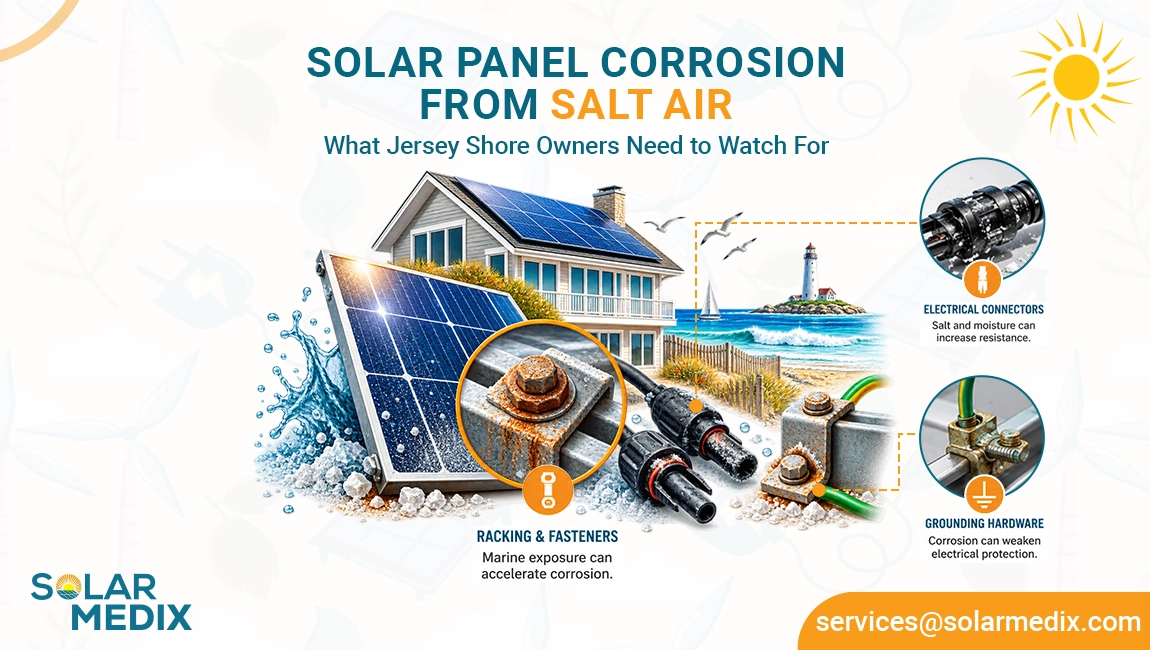
This is the invisible connective tissue: combiner boxes, fuses, switchgear, and miles of cabling. Loose terminations due to seasonal temperature swings are a constant threat. Left unchecked, a loose wire creates high resistance. It evolves from an efficiency loss into a serious fire hazard.
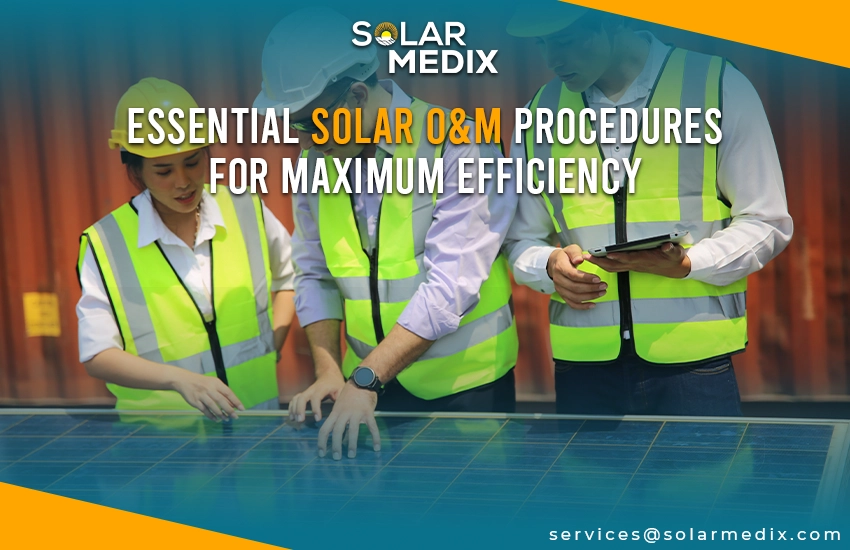
Essential Solar O&M Procedures for Maximum Efficiency
Keeping electrons flowing smoothly requires specific, technical protocols. These five procedures form the baseline of any professional solar upkeep strategy.
1. Advanced Panel Cleansing
Rain does not clean solar panels any more than it cleans a car windshield. It often leaves a film of pollen and fine dust behind. Soiling can easily cut energy output by 10% to 20% in high-dust regions.
Clean panels using only demineralized or reverse-osmosis water and soft-bristled brushes. Never use high-pressure washers. It can cause microfractures in the tempered glass. So, skip chemical detergents that degrade the anti-reflective coating.
2. Physical and Pest Inspections
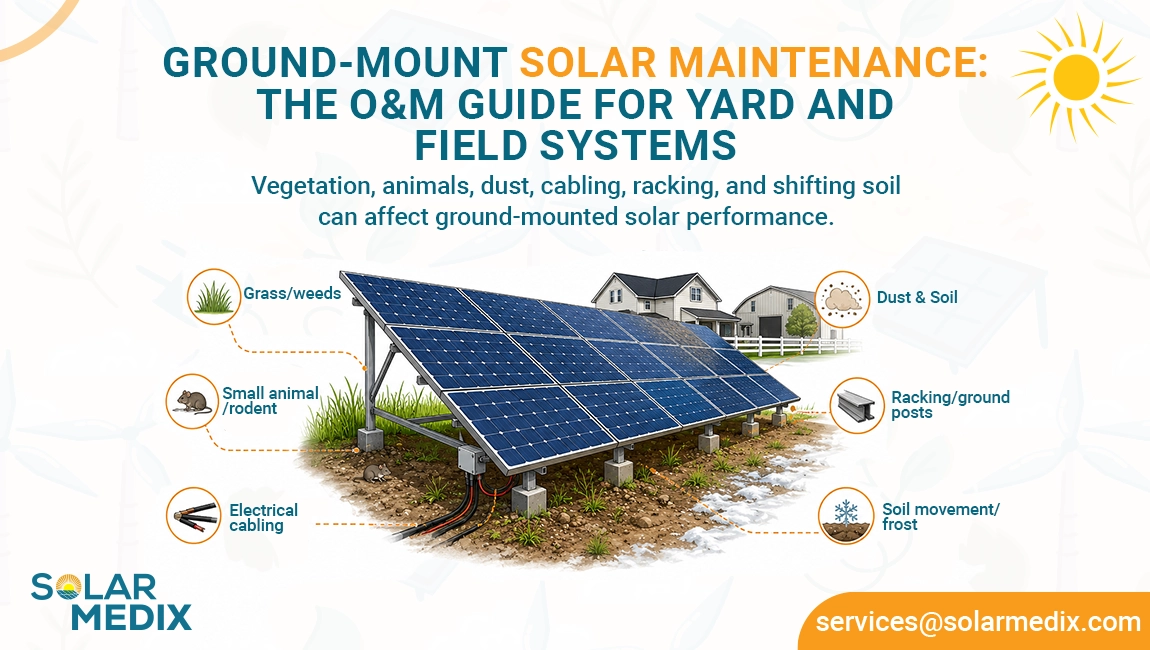
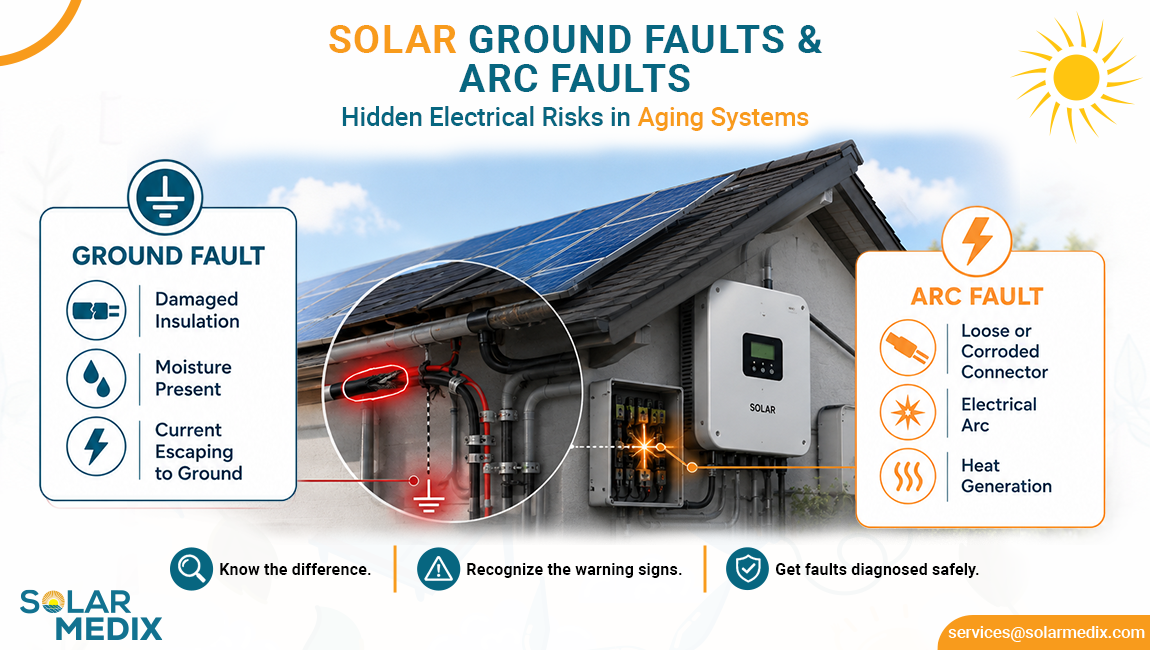
Nature loves solar arrays. The space beneath commercial and residential panels provides a warm, protected habitat for birds, squirrels, and rodents. Chewed wires are a leading cause of ground faults. Regular physical checks ensure pest guards are intact and racking structures remain uncompromised.
3. Electrical Diagnostics
Technicians must regularly benchmark the electrical health of the system. This means measuring open-circuit voltage (Voc) and short-circuit current (Isc) to verify the system matches its factory nameplate ratings. Specialized insulation resistance testing (megger testing) is also used to ensure wiring jackets haven’t degraded. This is done to prevent dangerous current leakages.
4. Infrared Thermography
Thermal imaging is a non-destructive superpower. By scanning an array with an infrared camera, technicians can see invisible heat signatures.
Notice the bright spot in the thermal profile above. That is a hotspot. It indicates an internal cell failure or a malfunctioning bypass diode. Because the damaged area resists the current flowing through it, it converts electrical energy into raw heat, signaling a component that needs immediate replacement.
5. Vegetation Mitigation
Shading is an exponential problem. Solar cells are wired in series. So, shading just 10% of a panel can choke the output of an entire string. Mowing, weed abatement, and canopy trimming must be scheduled tightly to keep arrays completely unobstructed.

Industry Best Practices for Long-Term Success
Unsystematic maintenance is expensive. True asset management relies on standardizing your operational workflows.
Deploy Continuous Digital Monitoring
Stop waiting for the monthly utility bill to notice an issue. Implement software-as-a-service (SaaS) or SCADA platforms that track string-level data. If a specific string dips below its expected output relative to solar irradiance, an automated alert should immediately flag the anomaly.
Create Strict Documentation Baselines
Every torque check, thermal scan, and warranty swap must be logged. When attempting to claim a manufacturer’s warranty on a failed inverter or module, having a pristine multi-year paper trail of professional maintenance is often the difference between a free replacement and a massive bill.
Enforce Rigid Safety Protocols
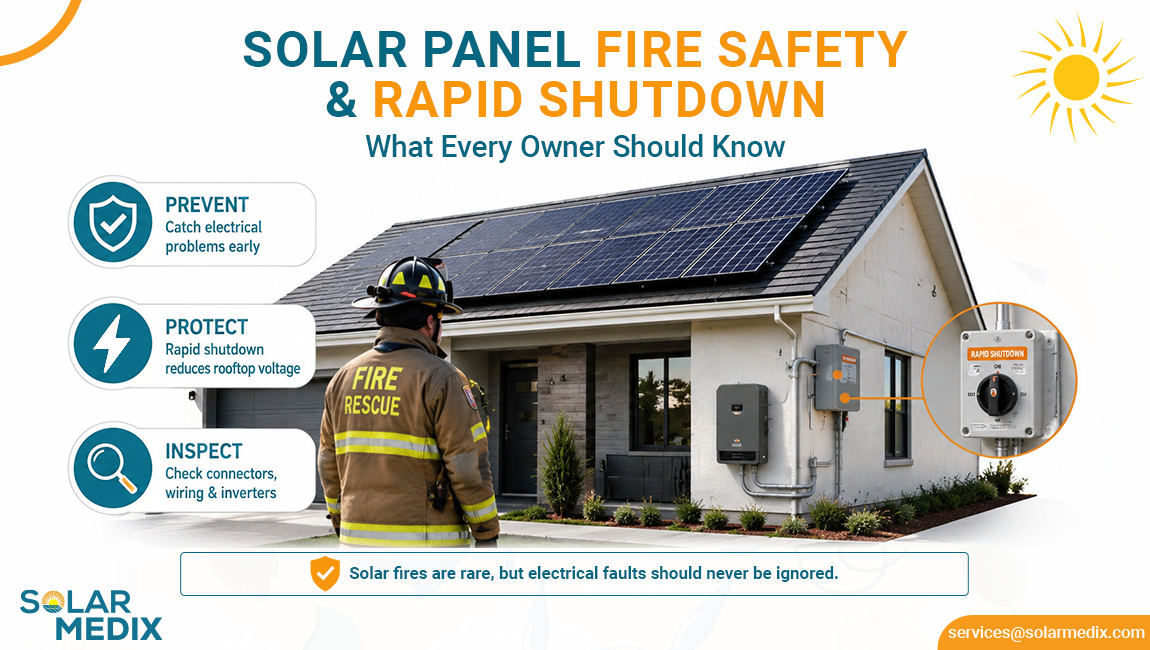
Solar arrays cannot be turned “off” while the sun is shining. The panels are always running and shouting danger. Operations must mandate strict adherence to OSHA regulations, arc-flash boundaries, and Lockout/Tagout (LOTO) procedures before any technician opens an electrical enclosure.
Maintain an Inverter Reserve Fund
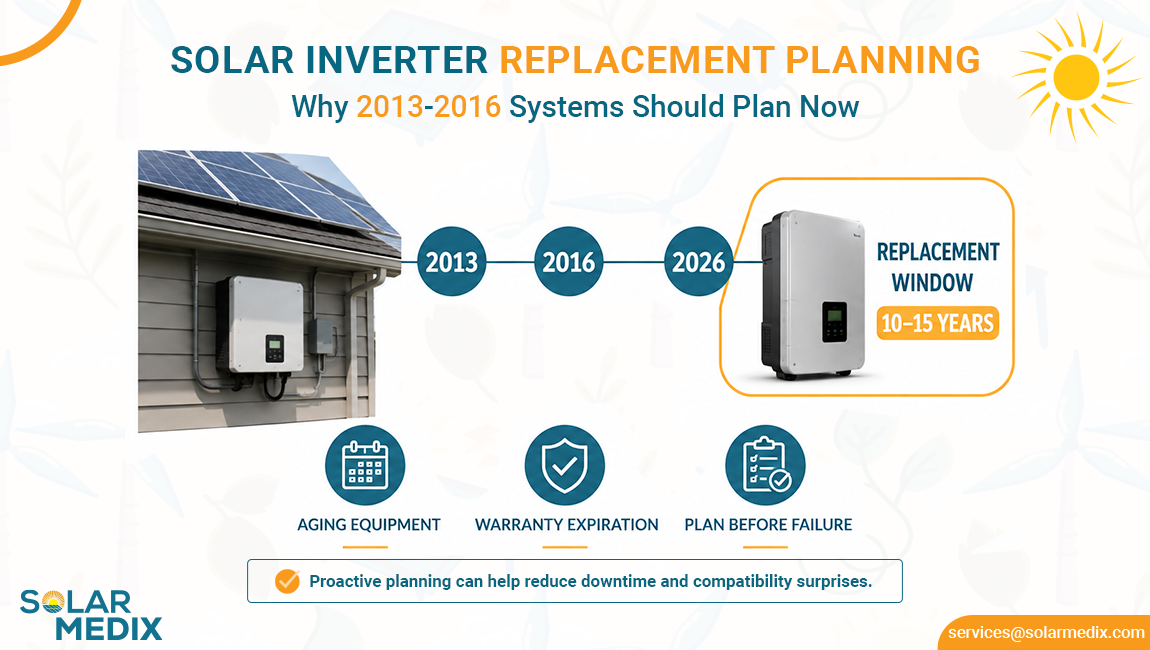
Panels are built to last 25 to 30 years. Inverters generally give out between years 10 and 15. Smart asset management requires building an inverter replacement capital expense into your financial models from day one.
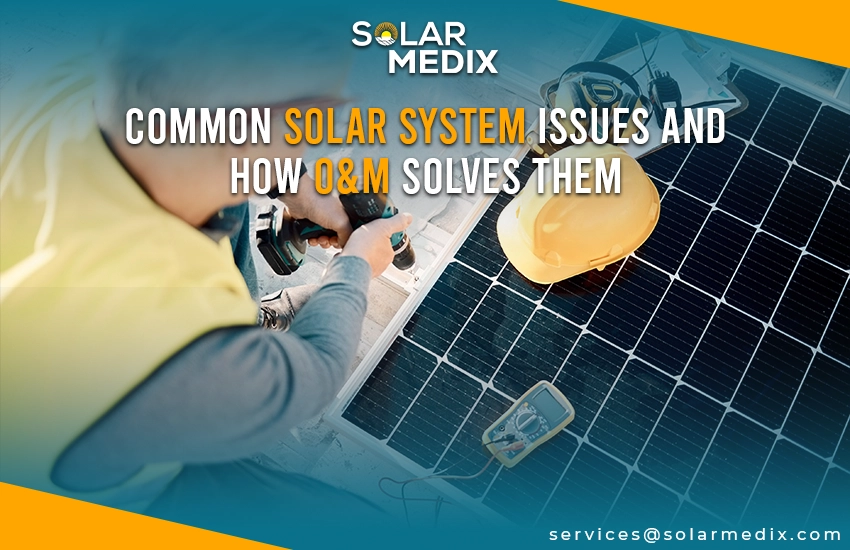
Common Solar System Issues and How O&M Solves Them
Some of the most devastating solar threats cannot be seen with the naked eye. Resolving them requires specialized diagnostics.
| Common Issue | Root Cause | System Impact | O&M Diagnostic & Solution |
| Inverter Faults | Overheating, component wear, firmware bugs, or grid transients. | Drops the whole panel strings or the entire array offline instantly. | SCADA monitoring alerts, remote firmware resets, and rapid hardware swap. |
| Potential Induced Degradation (PID) | Voltage leakage between cells and grounded frames in high humidity. | Shuts down efficiency, draining up to 30% of power output. | Voc pattern analysis followed by installing night-time charge-reversal boxes. |
| Microcracks | Physical stress from hail, heavy wind, or installation foot traffic. | Fractures widen over time, breaking internal electrical pathways. | Electroluminescence (EL) imaging followed by surgical module replacement. |
The Financial Value of Effective O&M
Ultimately, maintenance is not a technical choice. It is a financial one. Investing in systematic O&M directly shapes the economic metrics of your renewable energy investment.
Higher O&M Efficiency = Lower LCOE = Maximized Financial Returns
By squeezing every possible kilowatt-hour out of the hardware, you lower your Levelized Cost of Energy (LCOE). Furthermore, regular maintenance preserves your asset value. Should you choose to sell the property or commercial asset later, a system with documented, optimized health commands a premium, turning an operational expense into a vehicle for long-term equity protection.
Let Solar Medix Take Charge of Your Solar O&M
Managing a solar asset safely and efficiently requires deep technical expertise, specialized diagnostic tools, and constant vigilance. You shouldn’t have to moonlight as a power plant operator just to protect your clean energy investment.
That is where Solar Medix comes in. As industry leaders in solar operations and maintenance, Solar Medix eliminates the guesswork from asset management. Our team of certified technicians ensures your system produces maximum power every single day.
Don’t wait for an unexpected system failure to look at your array. Contact Solar Medix today to schedule an optimization audit and lock in your energy savings for the next decade.
Frequently Asked Questions
What is a solar O&M?
Solar O&M (Operations & Maintenance) is the ongoing process of monitoring, inspecting, and servicing a solar energy system. Its core goal is to protect the financial return on your renewable energy investment over its 25-to-30-year lifespan.
What is O&M in renewable energy?
It refers to the daily activities, routine servicing, and performance monitoring required to keep power plants, such as solar or wind farms, operating safely, reliably, and at peak efficiency over their lifespan
What is the cost of solar O&M per MW?
O&M costs vary depending on geography, labor rates, plant age, and whether the system is commercial/industrial or a massive ground-mounted utility farm.
How to calculate O&M?
Calculating O&M involves adding your facility’s recurring, day-to-day expenses. To find the total cost, sum your fixed costs (like rent and administration) and variable costs (like fuel and repairs). To evaluate the efficiency of these costs, divide them by your units of output.