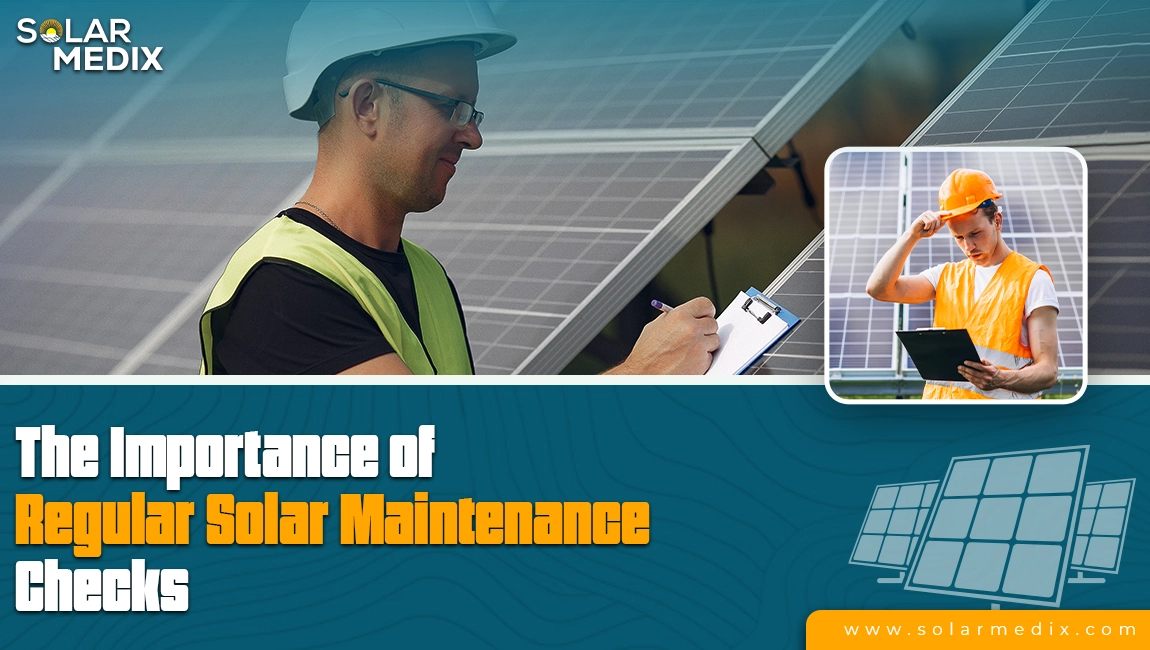
Solar panels are low-maintenance, but they are not no-maintenance. Research shows unclean panels can reduce power output by more than 20%, which means small issues can quietly eat into your savings long before a major fault appears. So, why do regular solar maintenance checks matter more than most homeowners think?
Quick Answer
At Solar Medix, we know regular solar maintenance checks help catch dirt buildup, loose wiring, inverter faults, hot spots, pest damage, shading problems, and early panel wear before they cut into system output. A scheduled check keeps your system safer, steadier, and closer to the performance you expected when you first went solar. That is where the real value starts.
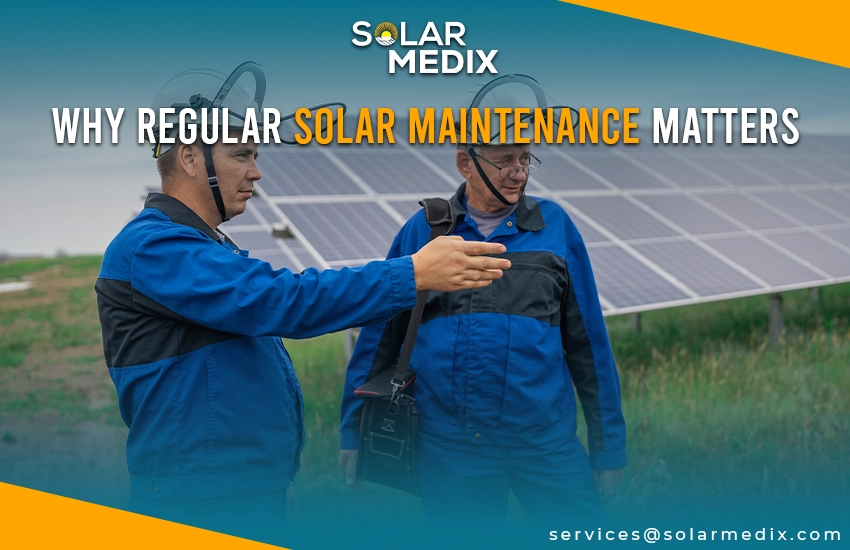
Why Regular Solar Maintenance Matters
Most solar problems do not arrive with fireworks. They show up quietly. A little less output here. A higher bill there. A strange alert you plan to check later, then forget.
That is why solar maintenance checks matter so much. They give you a clear look at how your system is really performing, not how you hope it is performing.
Maximizes Energy Efficiency
A thin layer of dust may not look like a big deal from the driveway. Still, on the roof, that layer can work like a film over a camera lens. The system is still alive, but it is not seeing light the way it should. Even light leaf cover or bird mess can create small shaded zones that drag a full string down with them.
- Reality Check: A system covered in a fine layer of seasonal grime can silently lose 15% to 25% of its daily generation power.
- What Often Happens: Homeowners blame the weather first, then find out the panels simply needed cleaning and performance testing.
- Why It Matters: Lost production today turns into lost savings over months.
Catches Small Problems Early
A loose connector does not always shut the system down in one dramatic moment. It can act more like a nail in a tyre. Air leaks slowly. The car still moves. Yet the damage keeps building. Solar faults often follow that same pattern.
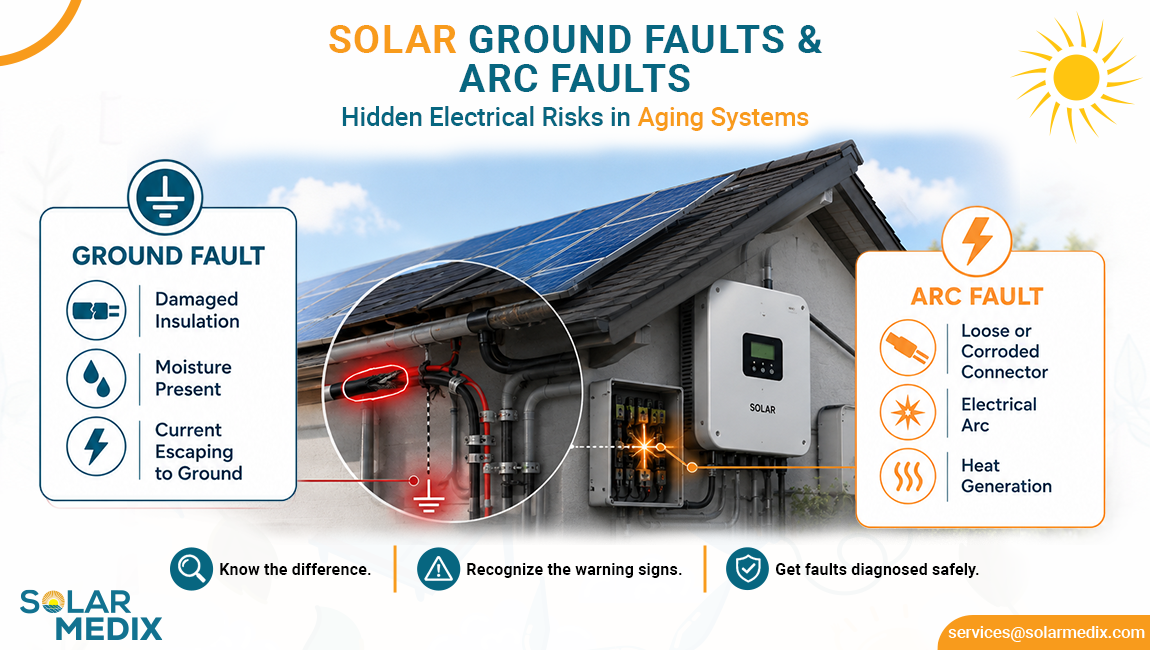
Tiny wire corrosion, micro-cracks, or heat stress may sit in the background for weeks. During a solar inspection, a technician can spot those weak points before they spread into scorched parts, dead modules, or inverter trouble.
- Field Insight: Catching a loose MC4 connector during a routine check costs far less than replacing a burned junction box later.
- Early Clues: Minor voltage drops, odd heat signatures, and weak string output often show up before total failure.
- Big Win: Small repairs are usually faster, safer, and cheaper.
Protecting Financial Investment
Let’s be honest. You bought solar to save money over time. You wanted relief from rising utility costs and better control over long-term power bills. If your system starts producing 20% less than it should, your payback timeline stretches out like a road that never seems to end.
That is where regular solar maintenance pays off. It helps keep your system closer to its expected output and gives you a better shot at steady monthly savings.
- Money Angle: Lower production means more grid use and slower return on your solar spend.
- Simple Truth: A neglected system can still look normal while underperforming every day.
- Bigger Picture: Routine service helps protect the value of the equipment sitting on your roof.
Keeps Your Warranty Valid
Many homeowners do not think about paperwork until something breaks. Then they dig through old files and discover that records matter. Some manufacturers and equipment providers may ask for proof that the system was cared for and not damaged by neglect or rough handling.
A clean service record can make those conversations much easier. It shows that the system was checked, problems were addressed, and damage did not spiral because nobody looked at it.
- Fine Print: Some warranty language may exclude damage tied to neglect, environmental buildup, or bad DIY handling.
- Smart Habit: Keep inspection dates, photos, cleaning records, and repair notes in one folder.
- Why It Helps: Good documentation can save time during support claims.
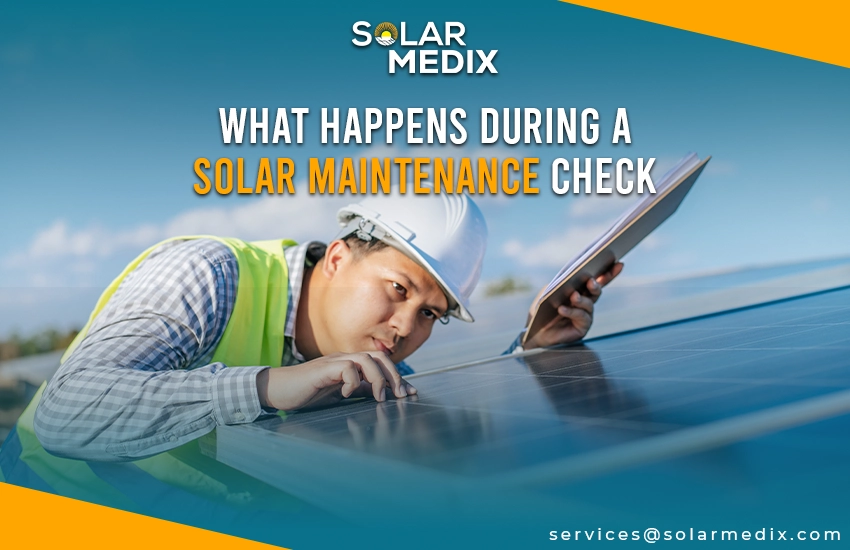
What Happens During a Solar Maintenance Check
A proper solar panel maintenance check is more than a quick glance from the yard. A trained technician looks at heat patterns, wiring health, structural points, panel condition, and signs of pests or water entry.
| Inspection Zone | What We Look For | Why It Matters to Your Wallet |
| Thermal Imaging | Hidden cell hot spots, bypass diode issues, uneven panel temperatures | Helps catch overheating before a module fails |
| Electrical Architecture | Voltage drops, ground faults, loose wiring, poor connector contact | Reduces fire risk and protects inverter performance |
| Structural Integrity | Rail alignment, loose hardware, roof-side wear, signs of leak points | Helps keep the array stable during storms and wind |
| Pest Assessment | Bird nests, rodent entry points, chewed insulation, debris buildup | Stops animal damage before repair costs climb |
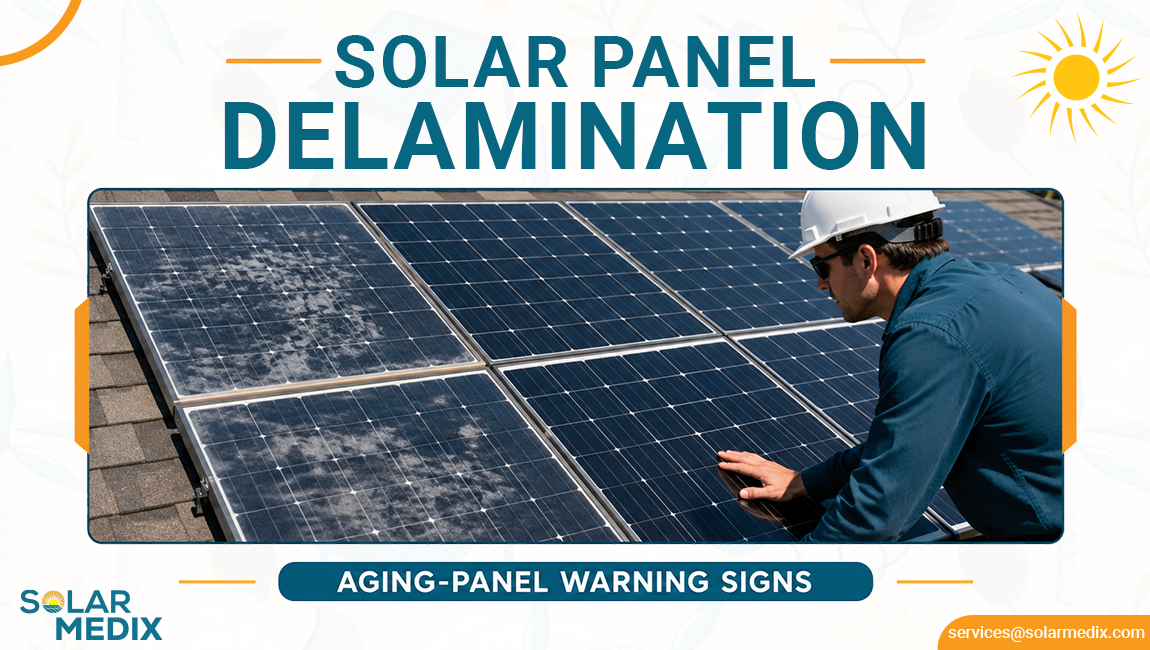
| Panel Surface Review | Dirt film, staining, cracks, snail trails, delamination signs | Helps explain production loss and panel decline |
| Monitoring Review | Flatlined output, odd dips, weak string data, missing alerts | Gives a clearer picture of what the system is actually doing |
Read our latest blog, “Safety Tips for Maintaining Residential Solar Systems”, for clear, practical guidance on safer upkeep and smarter day-to-day solar care.

How Often Should Solar Panels Be Inspected
There is no one-size-fits-all answer because weather and site conditions change from place to place. A roof near trees deals with leaves, sap, and shade. A system in a hot, dusty area faces more heat stress and grime. A pollen-heavy spring can coat panels fast, then summer storms add another layer of trouble.
The Recommended Schedule
For many homes, a yearly inspection is the baseline. Two checks per year make more sense when the site deals with high pollen, heavy dust, strong storms, pest activity, or repeated warning alerts in the monitoring app.
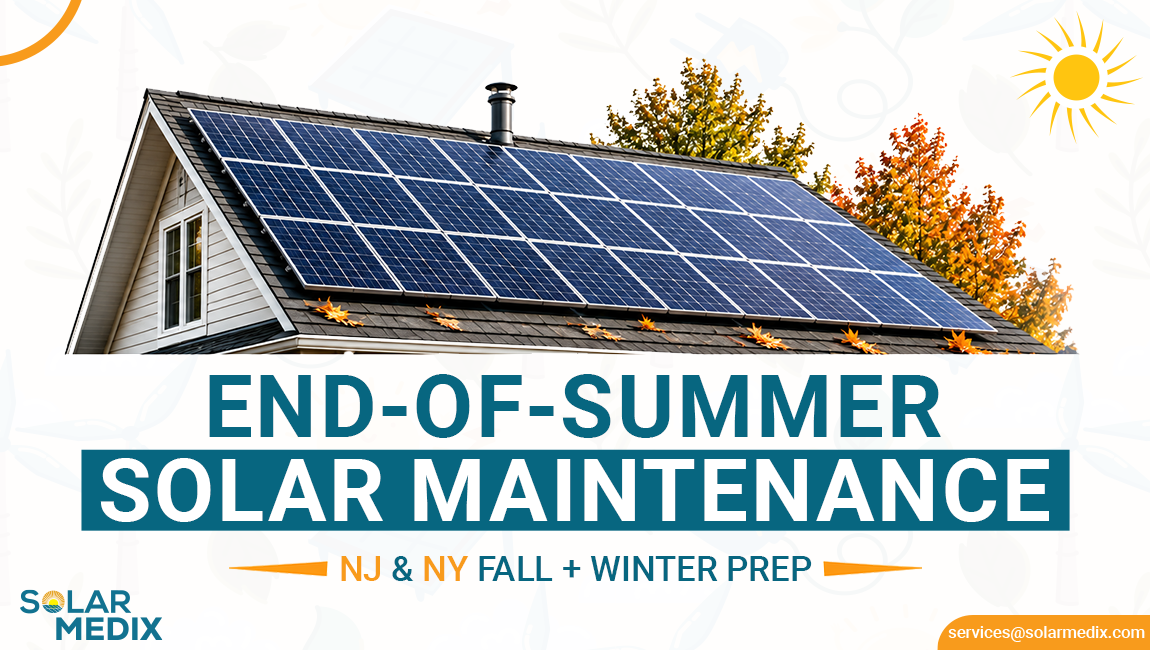
- Schedule one inspection after winter or early spring if your roof sees debris, snow, or pollen.
- Add a second visit after peak summer if your area gets harsh heat, storms, or high animal activity.
- Book extra service after roof work, major hail, or sudden drops in output.
Seasonal triggers that often justify a check:
- Heavy pollen season
- Bird nesting around the array
- Noticeable dirt film
- Strong wind events
- Roof repairs or nearby tree work
3 Warning Signs to Call Help Immediately
- The central inverter screen shows a steady red light or an active ground fault code.
- Your electric bill jumps even though your home usage feels about the same.
- The monitoring app shows a flat production line on a bright, cloudless day.
Long-Term Benefits of Routine Solar Maintenance
Routine care does not just fix what is wrong today. It helps your system age better over the years. That changes the whole ownership experience.
A healthy system tends to deliver fewer nasty surprises. And frankly, that peace of mind matters just as much as the tech side.
- Extended System Lifespan
- Higher Long-Term Energy Savings
- Better Output Stability
- Lower Chance of Surprise Repairs
- Stronger Protection for Roof-Mounted Hardware
- Cleaner System Performance Records
- Better Support for Property Value
- Steadier Environmental Payoff
- Less Guesswork During Troubleshooting
- More Confidence in Daily Production
Read our latest blog, “Can a Solar System Work Without the Original Installer?” to understand your options and the practical next steps if your original solar company is no longer available.
Keep Your Solar System Working Hard
Solar should not become one more thing you worry about every month. When your system is checked on a regular schedule, you catch the quiet problems before they grow into expensive ones. That means better output, safer operation, and fewer moments where you stare at the app and wonder what just happened.
Solar Medix says it serves customers in New Jersey, New York, Texas, and Massachusetts, and we come with more than 20 years of experience in the field. If your array has warning lights, lower production, pest trouble, or signs of wear, now is a smart time to get it looked at by a team that already works on these issues every day.
Schedule your solar maintenance check today and keep your system producing the power your home counts on.
FAQs
How Often Should Solar Panels Be Checked?
A good rule is to have your solar system checked once or twice each year. You should also schedule an extra inspection after hail, roof repairs, heavy nesting, strange inverter alerts, or any sudden drop in output.
What Is Included in a Solar Maintenance Check?
A solar maintenance check usually covers panel condition, dirt buildup, wiring, connectors, inverter status, monitoring data, mounting hardware, roof leak warning signs, and pest activity. Some visits also look for heat damage or weak production patterns before they spread.
Can Dirty Solar Panels Really Lower Output?
Yes. Dust, pollen, bird droppings, and road grime can block sunlight and create uneven shading across the array. Industry guidance says unclean panels can reduce power output by more than 20% in some conditions.
Can I Inspect My Solar Panels by Myself?
You can do a safe ground-level check by reviewing app alerts, watching for new shade, and looking for debris or cracked glass. Still, rooftop access, wiring checks, and electrical testing should stay with a trained solar technician.
Is Solar Maintenance Worth Paying For?
In many cases, yes. A routine visit can catch hidden faults early, lower the chance of bigger repair bills, and help your system produce closer to what it was built to deliver over the long run.