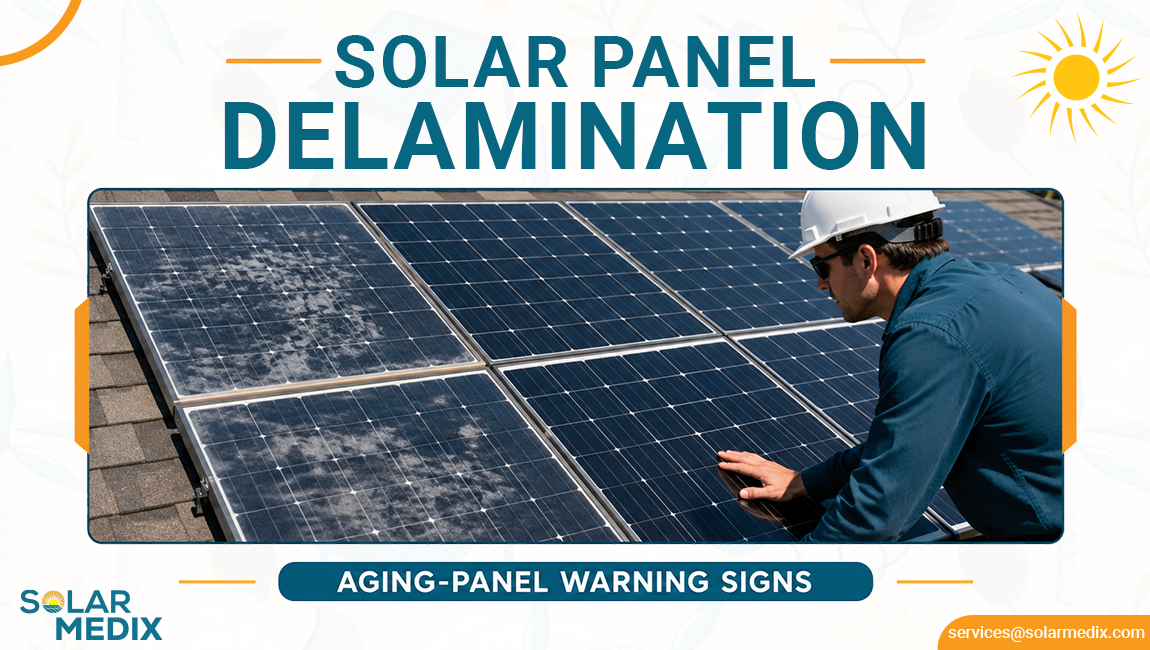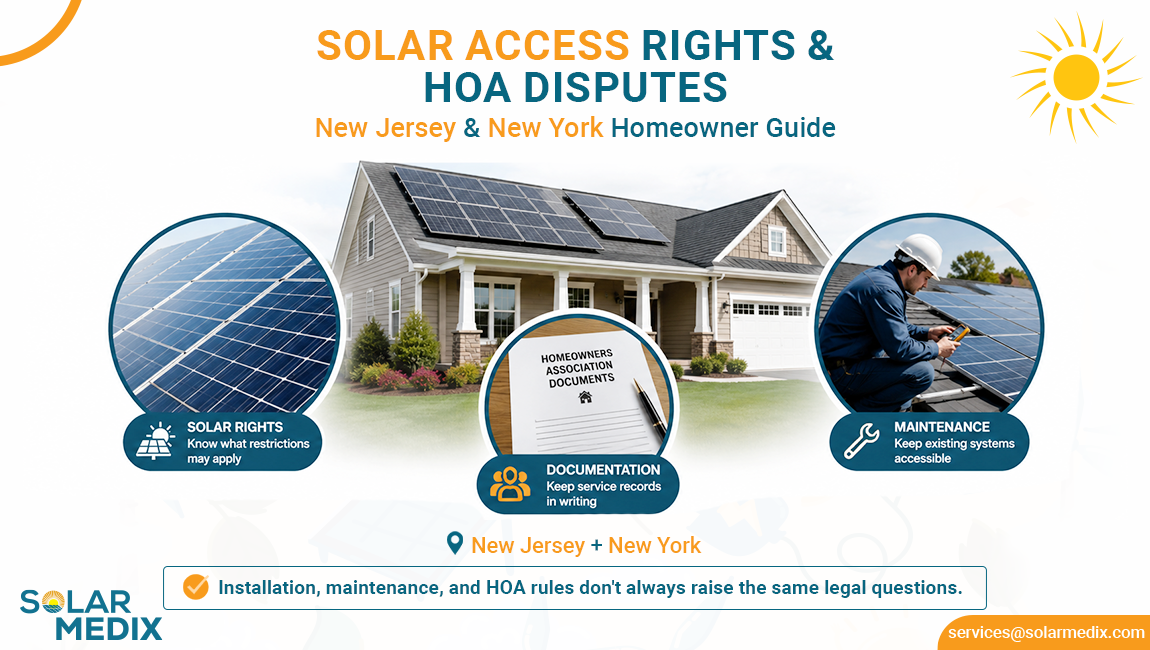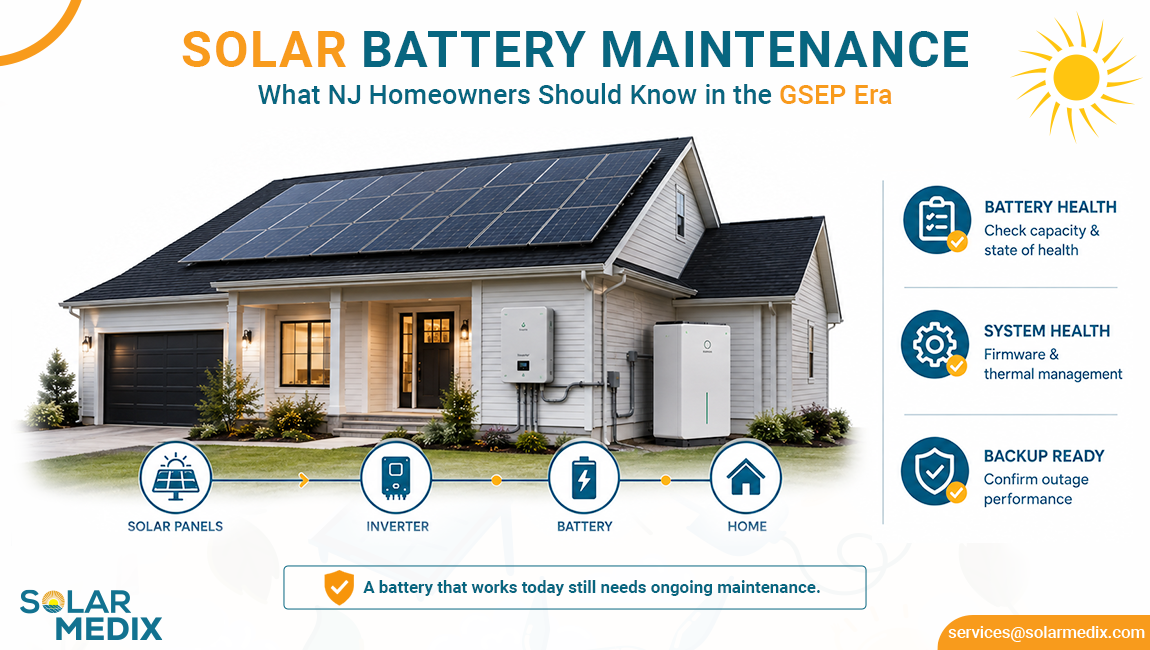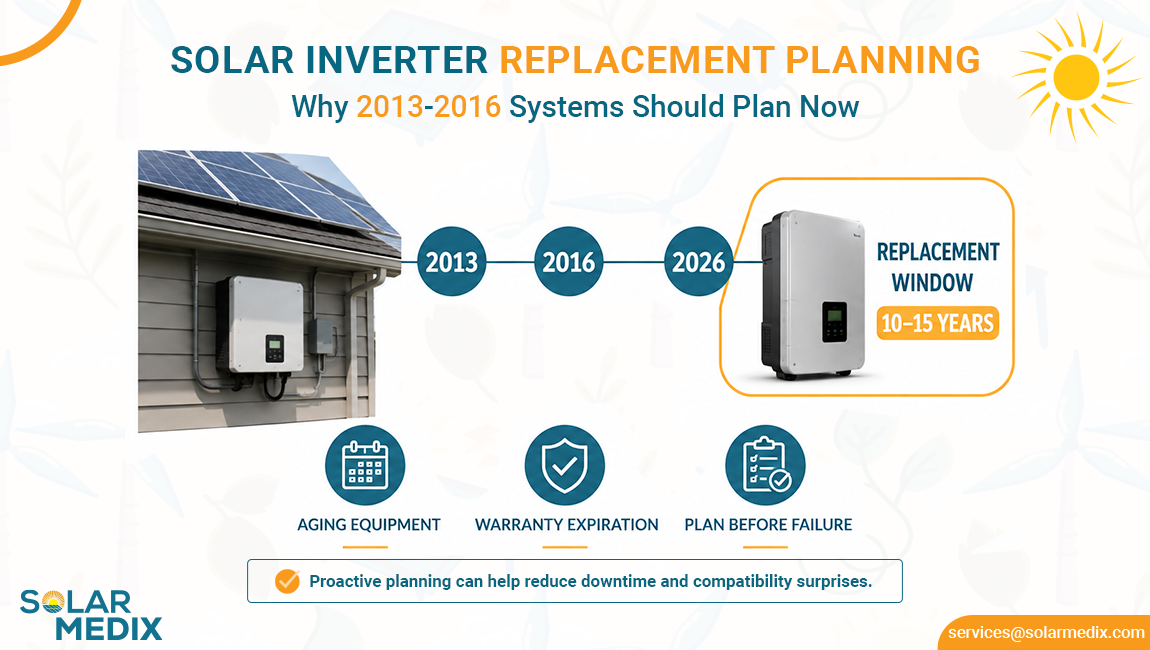
PV systems need consistent maintenance to provide peak performance over their 25-year lifespan. Without a proper solar maintenance schedule, debris buildup or minor electrical faults can go unnoticed. It eventually leads to significant drops in energy production.
Proactive care ensures your ROI remains high, as well as your home stays powered by clean energy without interruption.
Safety should always be the primary concern whenever you or a professional interacts with your solar array. These systems are integrated into your home’s high-voltage electrical grid and are typically located in hard-to-reach areas. So, following strict protocols is non-negotiable.
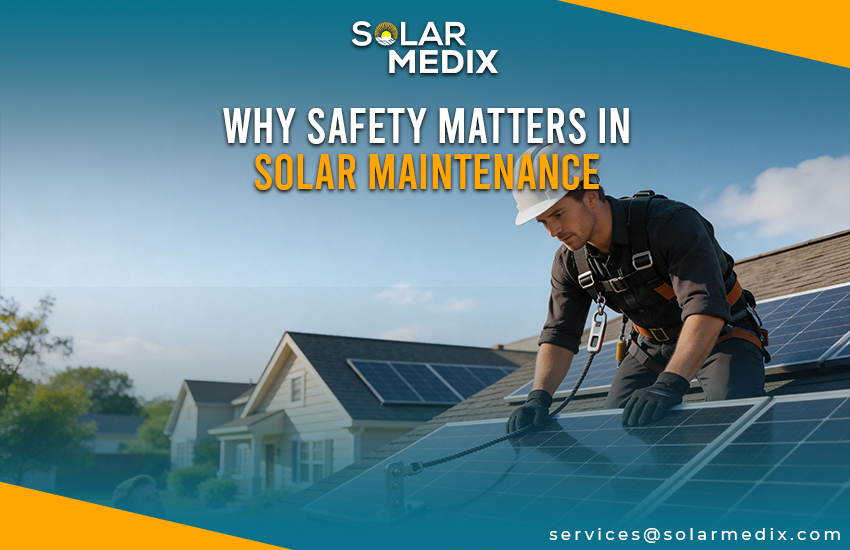
Why Safety Matters in Solar Maintenance
Maintaining a solar system is vastly different from other home DIY projects because of the unique environment involved. Solar installations consist of complex electrical components. They generate direct current (DC) power whenever sunlight is present. Even if the main breaker is off. The majority of residential systems require rooftop access. It introduces the constant risk of height-related accidents, especially when navigating around sensitive, glass-coated equipment.
Improper handling of these systems does not just pose a risk to the hardware. It leads to serious, life-threatening injuries. For example, high-voltage electrical shocks or falls. Beyond physical safety, technical errors during maintenance cause permanent system damage or severe fire hazards. You can not neglect safety and proper handling techniques. It will reduce efficiency. Poor maintenance causes micro-cracks or wiring issues and hinders your system’s ability to generate power.
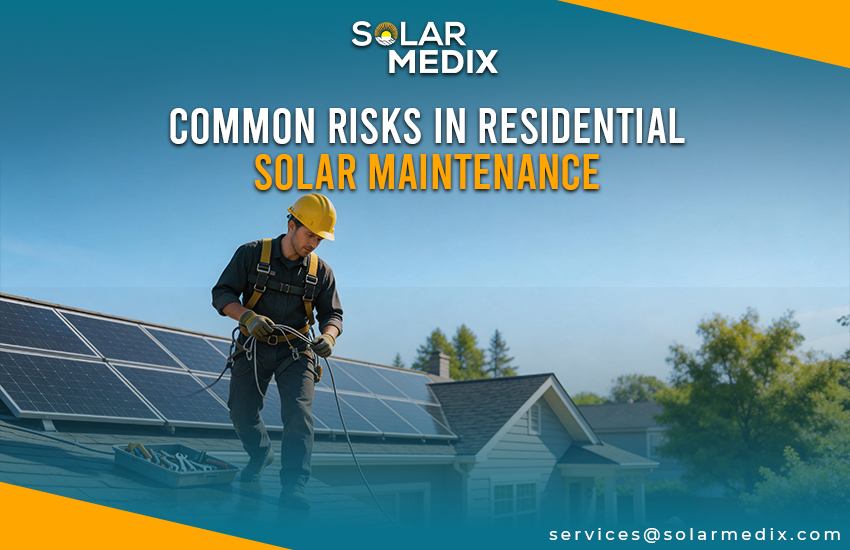
Common Risks in Residential Solar Maintenance
Understanding the specific hazards associated with solar upkeep is vital. It helps you prevent accidents and ensure your system remains in top condition.
- Electrical shock: In case of frayed wires or incorrect handling, solar panels create a risk of high-voltage shocks.
- Slipping or falling from the roof: Avoid navigating steep or angled roofs while carrying cleaning tools or replacement parts. That significantly increases the chance of a dangerous fall.
- Damaging panels: Apply too much pressure or use the wrong tools. It will cause micro-cracks in the silicon cells, invisible to the naked eye, that ruin efficiency.
- Voiding warranties: Do not use unapproved methods or cause accidental damage. You may lose your warranty coverage. Most manufacturers have strict maintenance guidelines.
- Improper cleaning methods: Using abrasive chemicals or cold water on hot panels can cause thermal shock, resulting in shattered glass and total panel failure.
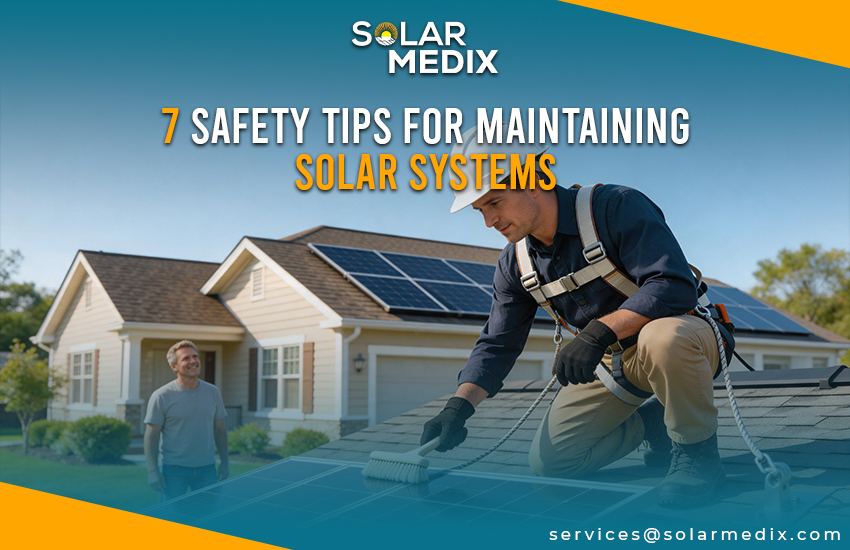
7 Safety Tips for Maintaining Solar Systems
Many homeowners prefer to keep an eye on their systems. Nevertheless, follow these specific safety protocols for solar panel maintenance, and you can protect both yourself and your investment.
Tip #1: Always Turn Off the System Before Maintenance
Before touching any part of your solar installation, you must ensure the system is completely de-energized to prevent accidental discharge.
- Locate the AC/DC disconnect switches typically found near your inverter or meter.
- Follow the manufacturer’s specific shutdown sequence to ensure all capacitors are drained.
- Verify the system is off by checking the inverter display or monitoring app before proceeding.
Tip #2: Avoid Walking Directly on Solar Panels
Solar panels are designed to withstand wind and snow loads. However, they are not built to support the concentrated weight of a human being.
- Walking on panels creates micro-cracks that degrade the solar cells’ ability to conduct electricity.
- The tempered glass surface can be incredibly slippery, especially when wet or dusty.
- Pressure on the frame can compromise the seal, allowing moisture to enter and cause internal corrosion.
Tip #3: Use Proper Safety Equipment
If you must access your roof, you should never do so without the appropriate safety gear used by professional contractors.
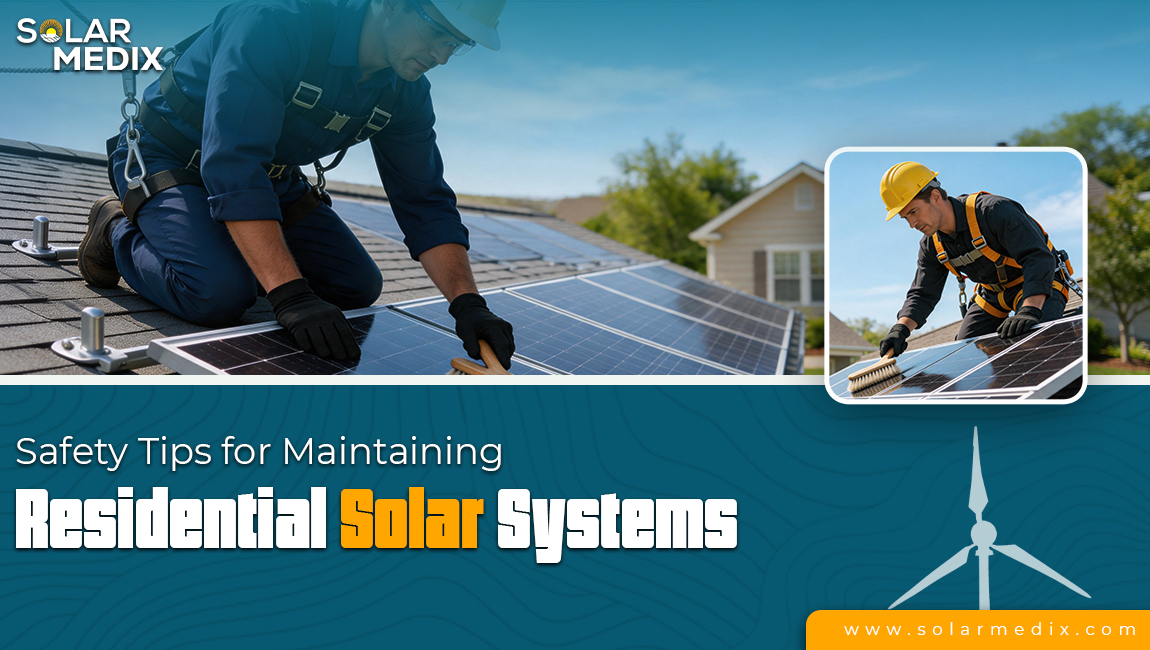
- Wear a high-quality safety harness secured to a certified anchor point to prevent falls.
- Use non-slip, rubber-soled shoes to maintain a firm grip on the roofing material and ladder.
- Wear insulated gloves and safety goggles when inspecting any area near the electrical housing.
Tip #4: Clean Panels Using Safe Methods
Cleaning your panels should be a gentle process focused on removing dust and debris without scratching the protective coating.
- Use a soft-bristle brush or a squeegee wrapped in cloth to avoid scratching the glass.
- Stick to plain water or a manufacturer-approved mild soap rather than harsh detergents.
- Never use high-pressure power washers, as the force can damage the seals around the panel edges.
Tip #5: Avoid Maintenance During Extreme Weather
The timing of your maintenance is just as important as the technique, especially when dealing with outdoor electrical equipment.
- Never attempt to climb on the roof during high winds, rain, or when ice is present.
- Avoid cleaning panels in the middle of a hot day to prevent “thermal shock” from cold water hitting hot glass.
- Postpone inspections during lightning storms, as the solar racking can act as a conductor.
Tip #6: Be Cautious Around Electrical Components
The wiring and inverters are the “brain” of your system. It contains live currents that must be treated with extreme respect.
- Inspect wires only visually to look for signs of animal chewing or fraying without touching them.
- Ensure all junction boxes remain tightly sealed and free of moisture or pest nests.
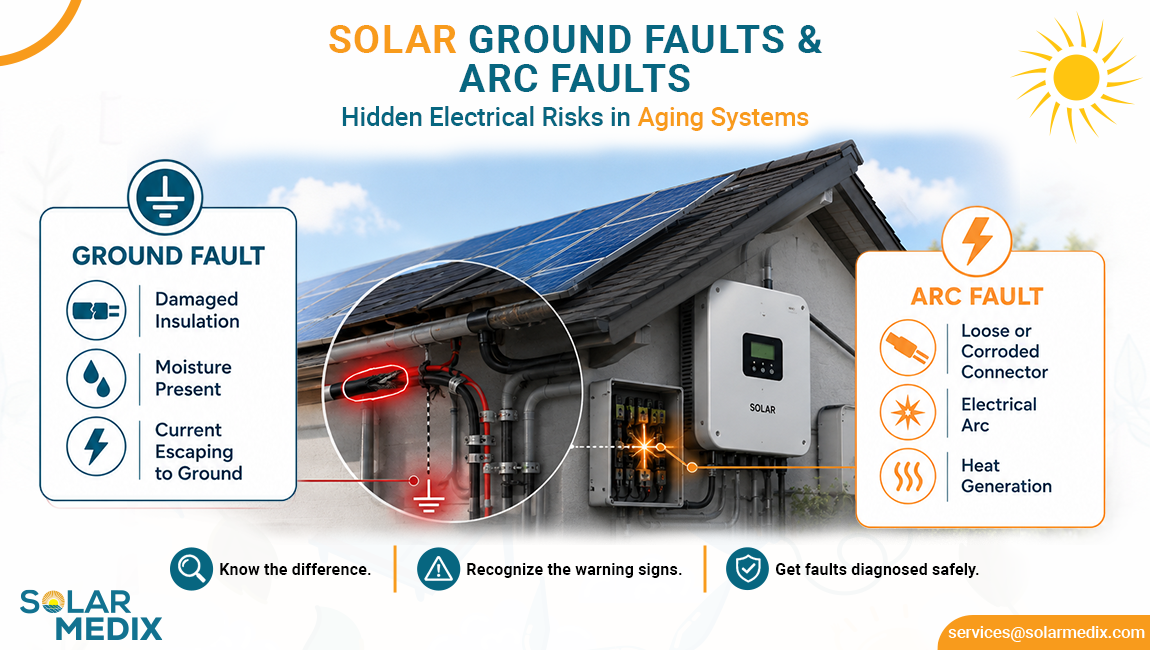
- If you see any exposed copper or “arc” marks, immediately call a certified technician.
Tip #7: Inspect Panels from a Safe Distance
You don’t always need to be on the roof to determine if your solar system needs professional attention.
- Use a pair of binoculars to conduct a ground-level visual inspection of the panels and racking.
- Check your system’s monitoring software daily to spot any sudden drops in energy production.
- Look for shadows from growing trees or new debris from the safety of your yard.
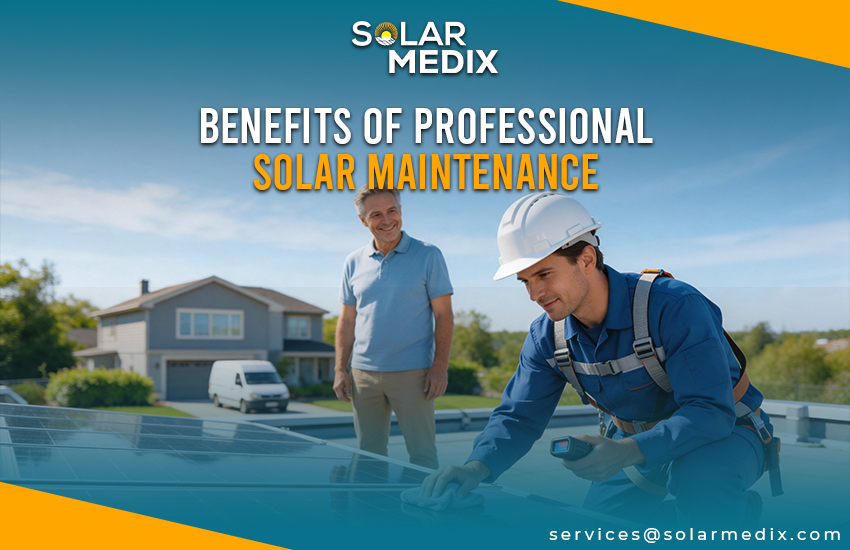
Benefits of Professional Solar Maintenance
Hire a certified team to handle your solar upkeep. It removes the physical risk from the homeowner. Also, it ensures the job is done to industry standards. Professionals have the specialized tools and training to identify subtle issues that an untrained eye might miss, such as PID (Potential Induced Degradation) or internal cell failures.
- Safe inspections
- Accurate diagnostics
- Proper cleaning techniques
- Early issue detection
- Improved system performance
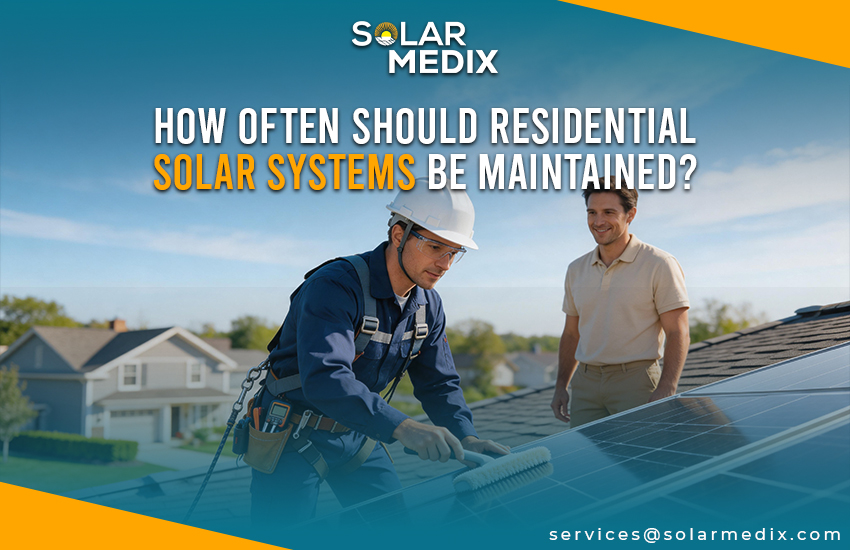
How Often Should Residential Solar Systems Be Maintained?
The frequency of maintenance depends largely on your local environment. But a general rule of thumb is to conduct basic visual checks periodically. Homeowners should see their monitoring apps at least once a week. They need to do a ground-level visual scan once a month to ensure no large debris, like branches or bird nests, has accumulated on the array.
For more technical aspects, a professional inspection is recommended every 1 to 3 years. This includes:
- Checking torque on all mounting hardware
- Testing electrical strings for consistent voltage
- Ensuring the cooling fans of the inverter are operational
You should always schedule an inspection after major weather events. For instance, hailstorms and hurricanes, or in case of an unexplained dip in your monthly energy savings.
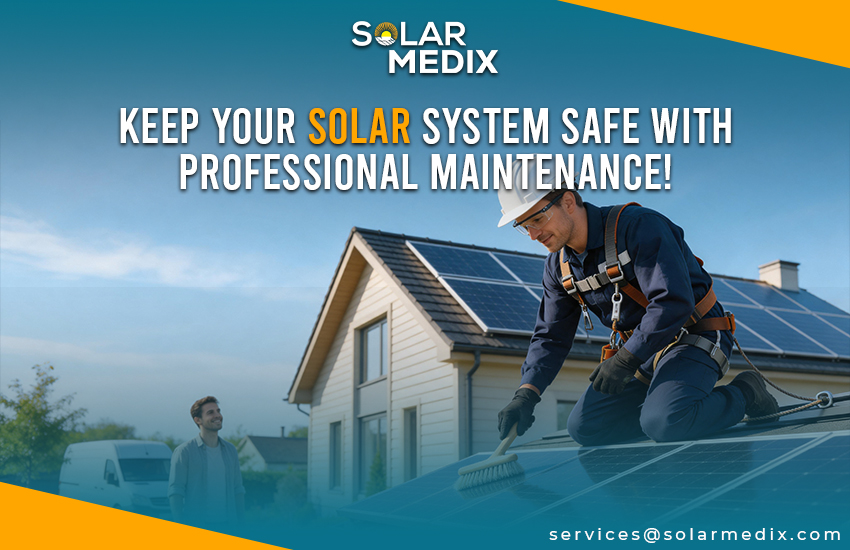
Keep Your Solar System Safe with Professional Maintenance!
Ensuring the longevity and safety of your solar investment shouldn’t be a source of stress. By following established safety protocols and knowing when to step back, you protect both your home and your family from unnecessary risks. DIY checks are helpful. Nevertheless, there is no substitute for the precision and safety provided by a team of experts who understand the nuances of solar technology.
At Solar Medix, we specialize in comprehensive residential solar services to keep your system running at peak efficiency year-round. Our technicians handle everything from routine cleaning to complex electrical diagnostics, ensuring that your panels remain a safe and productive asset for your home.
Don’t wait for a small issue to become an expensive repair or a safety hazard. Contact us today to schedule a professional maintenance visit and enjoy the peace of mind that comes with a perfectly optimized solar energy system.
Frequently Asked Questions
What’s the best thing to wash solar panels with?
Plain water is best. If necessary, use a tiny amount of mild, biodegradable soap or a specialized solar panel cleaner (like Polywater) to remove stubborn, sticky residue. Use a mixture of diluted vinegar and water for deep cleaning.
What are the safety precautions for solar panels?
- Proper grounding to manage high voltage/lightning
- Using insulated tools and PPE (gloves, helmets)
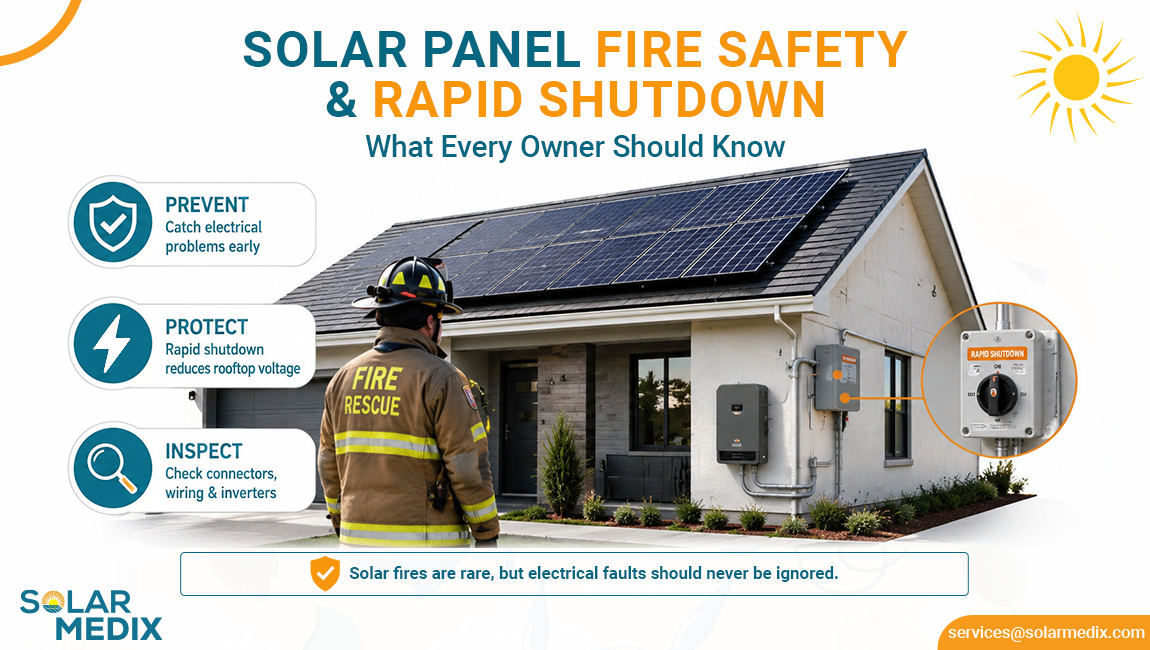
- Following rapid shutdown procedures
- Secure mounting to withstand the weather
How to maintain a solar system?
Clean regularly (every 6–12 months) to remove dust, debris, and bird droppings, alongside annual professional inspections of wiring, inverters, and mounting hardware.
What is the maintenance checklist for solar panels?
- Cleaning panels with water and soft tools
- Checking for shading
- Inspecting for structural cracks or damage
- Verifying electrical connections, cleaning the inverter filter
- Monitoring energy output via software, ideally twice a year