You notice the electric bill creeping back up. It is frustrating because those sleek panels on your roof were supposed to eliminate that monthly stress. Sometimes the issue isn’t visible from your driveway. Tiny fractures might be silently draining your system’s efficiency.
Solar Medix experts frequently encounter these hidden issues during routine maintenance calls. These minuscule breaks hide deep within the silicon cells. If you ignore them, your return on investment starts to decline. So, you need to identify these flaws before they turn into a total system failure.
According to research from Science Direct, even small defects can lead to significant degradation over several years. Identifying the source of the trouble helps you choose between a quick fix and a full hardware update.
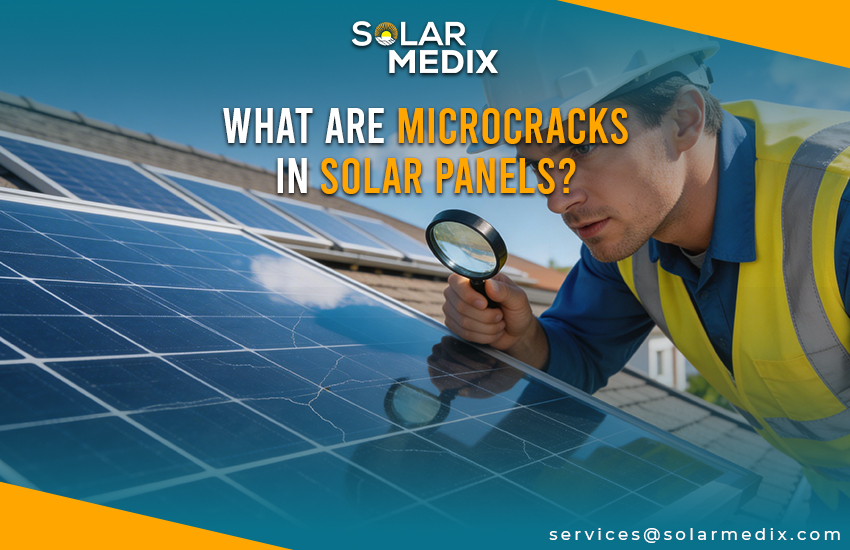
What Are Microcracks in Solar Panels?
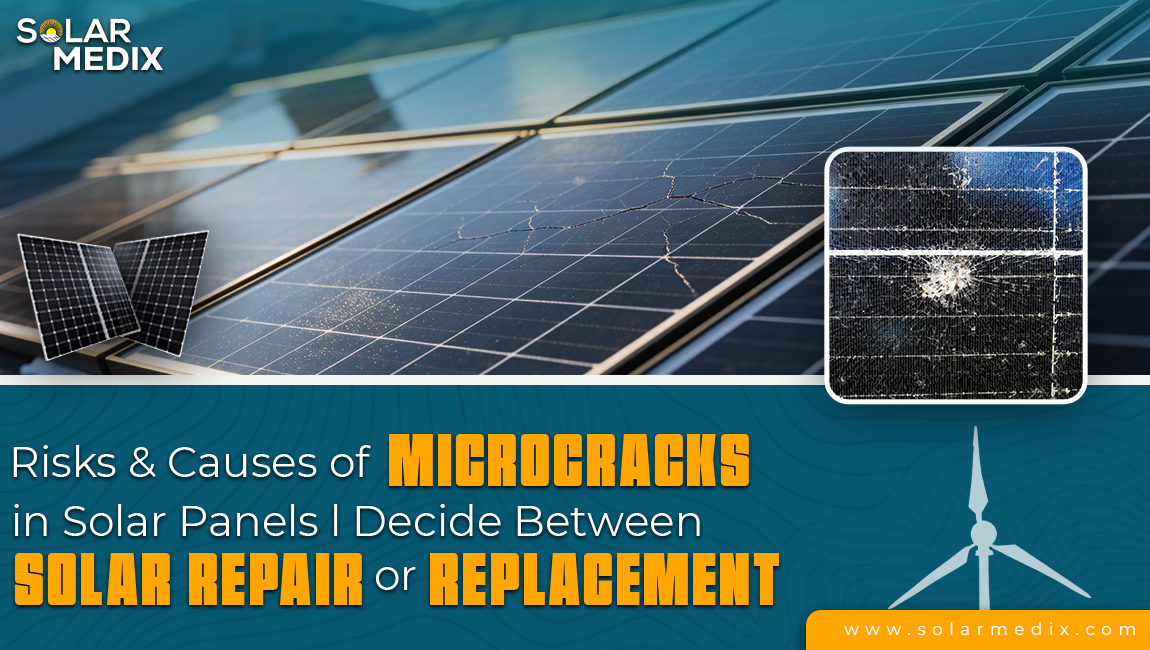
Microcracks are microscopic fractures that appear within the silicon solar cells. These cells are incredibly thin, roughly the thickness of a human hair. So, they remain surprisingly fragile. You usually won’t see these cracks just by looking at the roof because they occur on a molecular level within the crystalline structure.
Even though they start small, these fractures have a habit of growing. Changes in temperature cause the panels to expand and contract, which pulls at these tiny gaps. Over time, this movement causes the cracks to spread across the cell. This physical breakdown blocks the path for electrons. It means your energy production starts to drop off bit by bit.
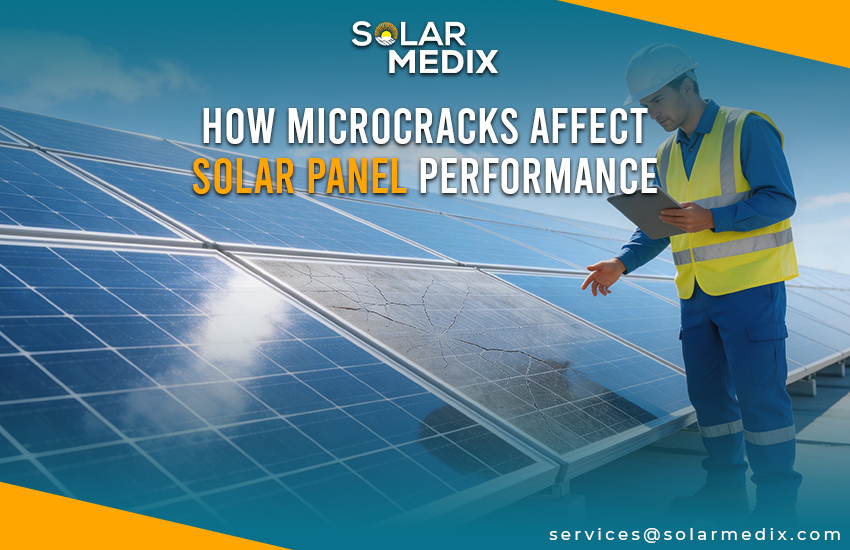
How Microcracks Affect Solar Panel Performance
When a cell cracks, the internal path for electricity gets interrupted. This disruption leads to partial cell failure, where specific sections of the panel stop contributing to the total output entirely.
- Reduced electrical conductivity throughout the affected module.
- Uneven energy generation across the entire array.
- Increased resistance within the panel, which creates unwanted heat.
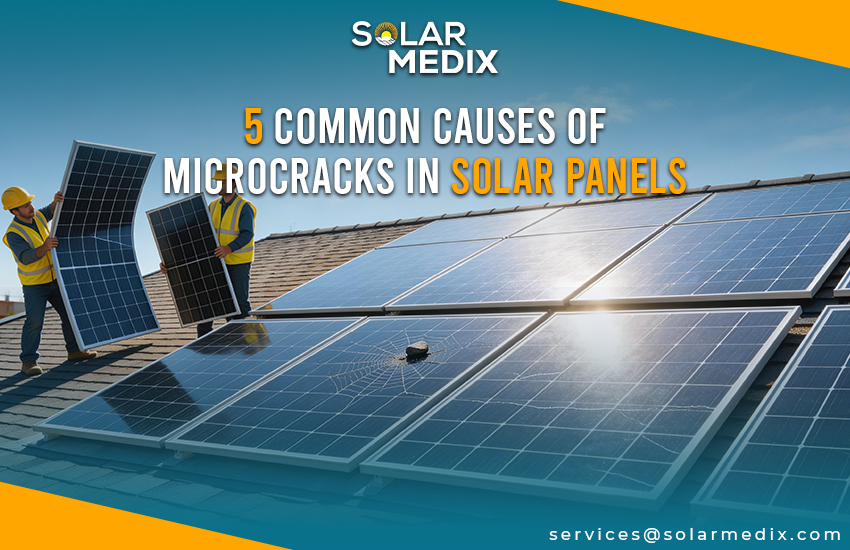
5 Common Causes of Microcracks in Solar Panels
Microcracks don’t just appear out of thin air. They result from physical stress placed on the panel at various stages of its life. From the moment they leave the factory to the years they spend on your roof, several factors can compromise their integrity.
- Shipping and Handling Damage: Rough rides in a truck can shake the cells until they break.
- Improper Solar Panel Installation: Walking on the panels or clamping them too tightly causes cracks.
- Extreme Weather Conditions: Heavy snow loads, as well as intense hail storms, put too much weight on the glass.
- Physical Impacts: Rocks or branches hitting the surface can damage the layers below.
- Aging and Material Fatigue: Years of heat and cold wear out the parts inside.
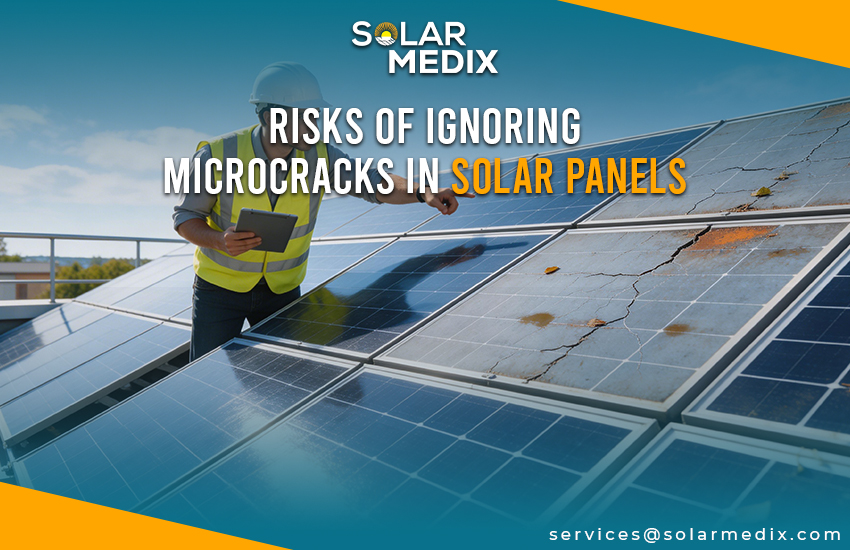
Risks of Ignoring Microcracks in Solar Panels
Leaving microcracks unaddressed is a gamble that rarely pays off for homeowners. Beyond just losing a few cents on your utility bill, these defects can create “hot spots” where electricity pools and generates dangerous levels of heat. This localized overheating can actually melt the backsheet plus it can even crack the protective glass.
- Continued energy production losses that worsen every season.
- Expansion of cracks over time until the cell becomes useless.
- Reduced lifespan of solar panels, leading to premature failure.
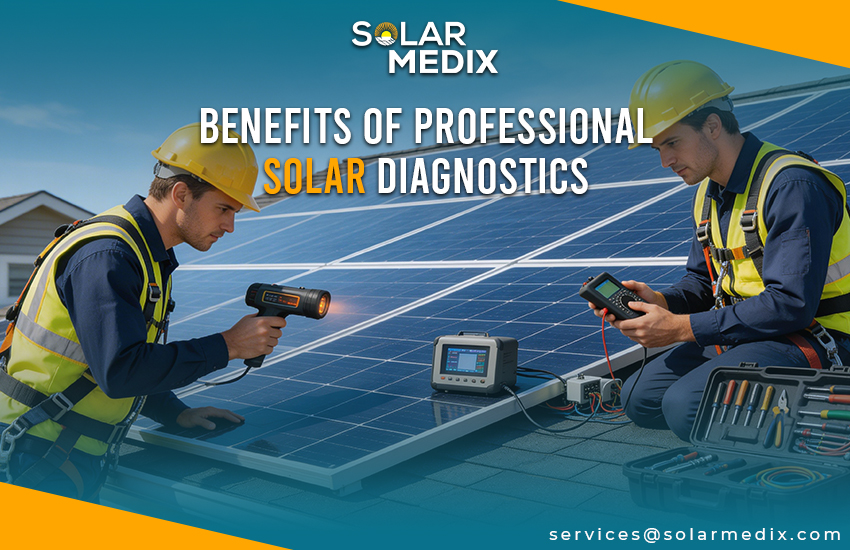
Benefits of Professional Solar Diagnostics
Guesswork has no place in solar maintenance. Professional diagnostics use specialized tools like electroluminescence (EL) imaging to see exactly what is happening inside your equipment. This level of detail ensures you aren’t spending money on parts that still have life in them.
- Accurate problem identification: Special cameras see heat that shows where the cells are broken.
- Performance testing: Pro workers check the real energy output against what it should be.
- Repair or replacement recommendations: You get a clear answer if the panel is worth fixing.
- Improved system efficiency: Fixing tiny issues stops them from slowing down the whole roof.
- Protection of solar investment: Finding faults early helps your hardware last longer.
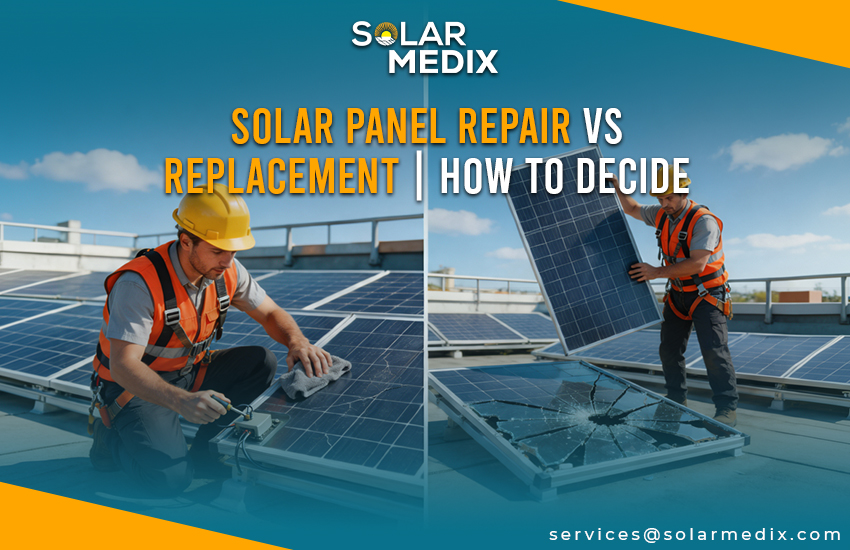
Solar Panel Repair vs Replacement | How to Decide
| Feature | Solar Repair | Solar Replacement |
|---|---|---|
| Upfront Cost | Lower overall expense | Significant initial investment |
| Project Complexity | Focuses on specific components | Involves removing entire modules |
| Warranty Status | Often covers specific workmanship | Starts a brand new product warranty |
| Energy Efficiency | Restores original potential | Offers the latest high-efficiency tech |
| Timeline | Usually completed in hours | May require multiple days |
| System Longevity | Extends current life | Resets the 25-year clock |
Schedule a Solar Inspection & Let Professionals like Solar Medix Help You!
You don’t have to guess about the health of your energy system. Solar Medix provides the clarity you need to keep your home running efficiently. Our team brings the right tools to find those invisible fractures before they cause a spike in your utility costs.
- Detailed EL imaging reports.
- On-site performance evaluation.
- Transparent pricing for all fixes.
- Certified expert technicians.
- Local service you can trust.
We prioritize your peace of mind. If you suspect your output is dropping, it is time to act. Get our solar panel repair services in order to restore your system. Let Solar Medix handle the technical details. So, you can go back to enjoying the benefits of renewable energy.
Frequently Asked Questions (FAQs)
Q1. Are solar panels repairable?
Yes, if the damage is limited to microcracks or faulty wiring. Keep in mind that microcracks technically cannot be fixed. However, the problems they create can be addressed.
Q2. Do microcracks get worse over time?
Yes, microcracks usually grow as the years pass. The way panels expand in the sun and shrink in the cold pulls the cracks apart. This makes the damage spread across the whole cell.
Q3. Should damaged solar panels be repaired or replaced?
It depends on how much the panel is broken. Small fixes are good if the panel is new. If the panel is old or the glass is totally broken, you should replace it.
Q4. How long do solar panels last before replacement is needed?
Most solar panels last between 25 and 30 years. They will still work after that time. But they usually make much less energy. So, many people choose to replace them to save more money.