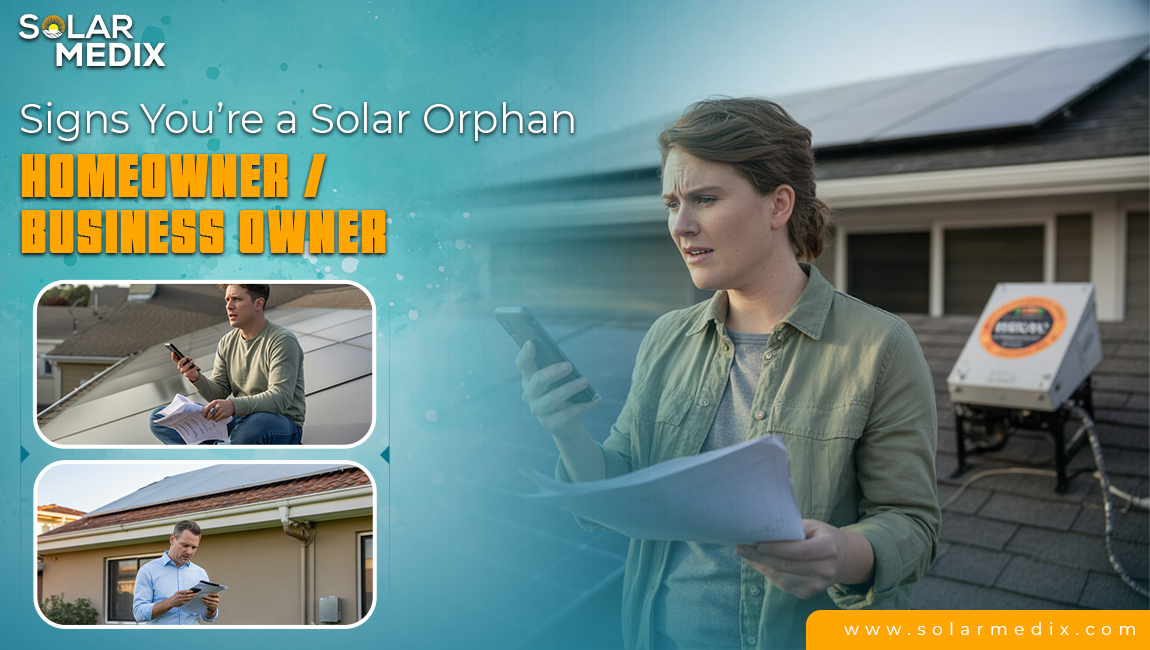
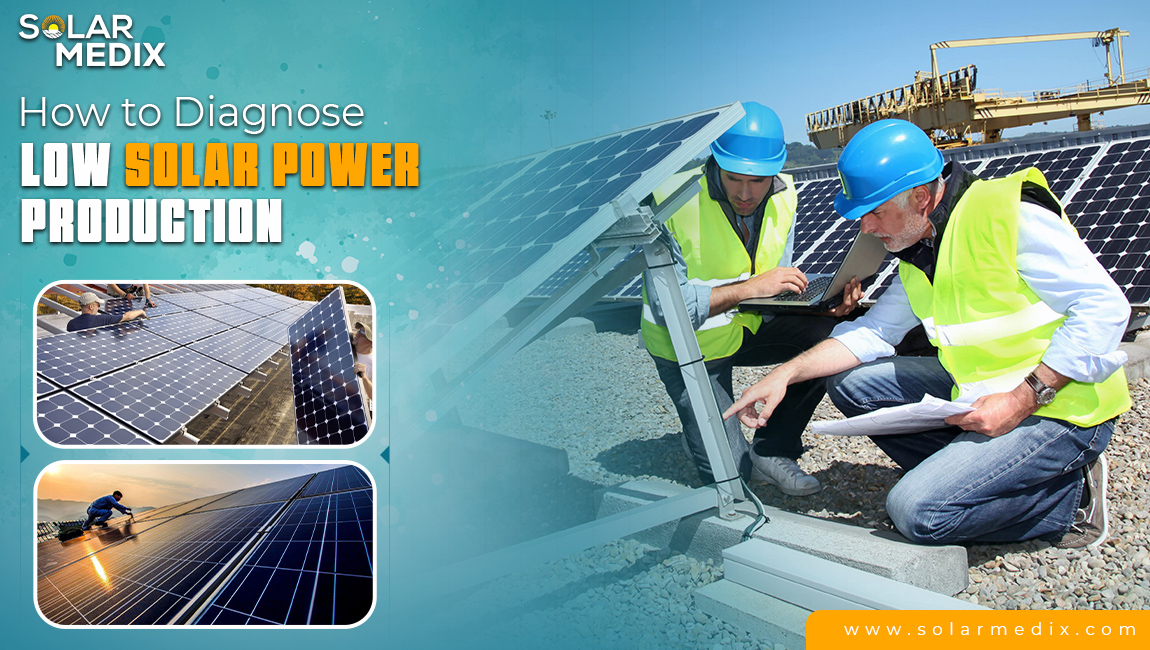
Your solar panels were supposed to save money and keep your home running efficiently. But suddenly, you find out your system isn’t producing the expected amount of electricity. It’s frustrating. You check your monthly bill or your monitoring app, and the numbers are lower than they should be. It’s natural to feel worried that your big investment is failing. We get it. Neither jump to conclusions nor assume the worst. Something has decreased slightly. The cause might be minor and can be fixed easily.
Low production is a fixable problem in most cases. Sometimes a quick check is all it takes. Other times, you need professional support. We discussed common reasons for drops in generation in one of our previous posts, 10 Problems & Solutions for Underperforming Solar Panels. But if the problem is more complex, our team specializes in getting your system back to peak performance. If you suspect you need a professional, please know that we are here for you and offer expert solar panel repair services.
The U.S. solar industry has experienced massive growth in recent years, proving that solar energy is reliable and a fantastic long-term investment. The key is to know whether your system’s issue is normal or needs attention. We want to show you exactly how to figure out what’s going on with your panels.

Why Your Solar System Might Be Producing Less Energy
You can not expect solar production to be constant. It fluctuates every day, month by month. This is the reason you must know the difference between a normal dip and an abnormal fault.
A normal drop is predictable. An abnormal drop is a sign of a real problem that needs attention. Don’t worry if your production is lower in December than in June. That is normal. However, in case your output suddenly drops in the middle of a sunny summer month, that is not good.
Seasonal changes affect performance very much. Winter months have shorter days and lower sun angles. This means less total energy generation compared to summer. The weather also matters a lot. Heavy clouds, rain, or snow will lower output for a few days. These are expected variations. The strange drop occurs when a system underperforms compared to what is expected for that specific time of year and weather condition.

5 Common Causes of Low Solar Output
Noticing an unexpected and continued drop in energy? Then, one of five common culprits is usually to blame. These issues can range from simple maintenance needs to more serious equipment failures. So, it’s smart to check these potential problems first.
1. Dirty or Shaded Solar Panels
It sounds obvious, but dirt and shade are sneaky. A thin layer of dust or a few overgrown branches can drop the performance of your system fast. The panels need direct sunlight. So, anything that blocks it will reduce efficiency.
- Dust and Debris: Dirt, dust, debris, or even pollen accumulates. It creates a layer on the glass. This form of layer blocks sunlight and reduces efficiency.
- Seasonal Shading: Trees don’t stop growing. New branches can block the sun without you noticing.
- Bird Droppings: They create dense spots of shade that can even damage small parts of a panel.
2. Loose or Damaged Wiring
Sometimes the issue isn’t on the surface at all. Wiring can loosen or wear out over time. The smallest gap or break can interrupt the flow of electricity and lower output.
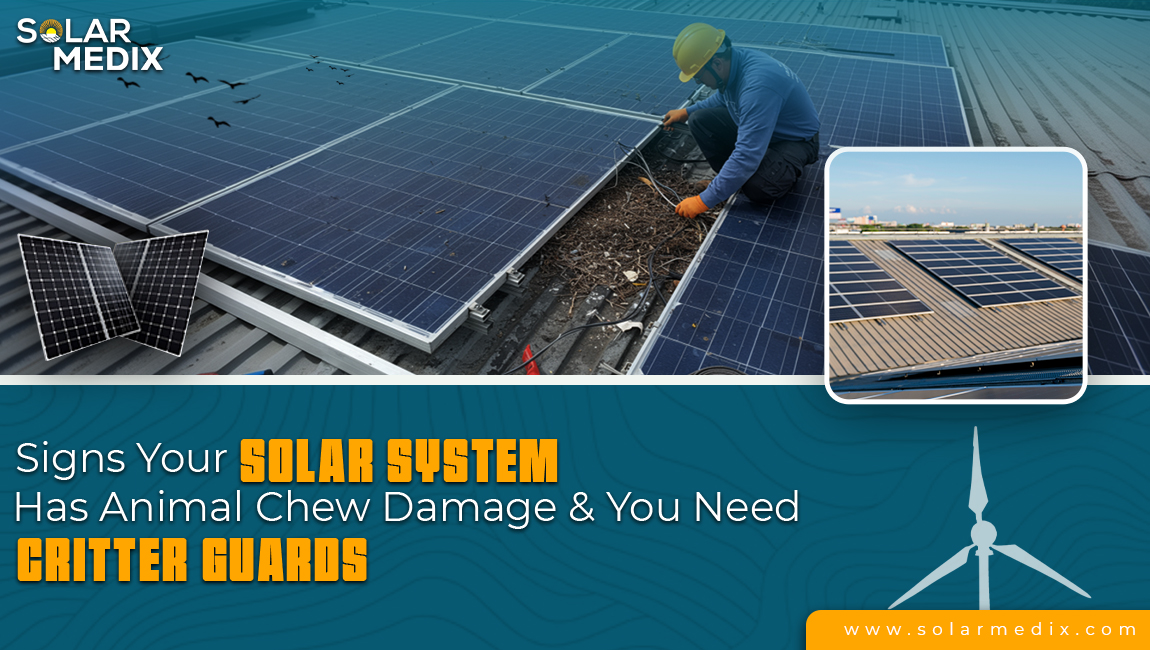
- Animal Damage: Squirrels, mice, or other pests might chew through exposed wires. This creates shorts or open circuits that stop energy flow.
- Weather Wear: UV exposure, extreme heat, or freezing temperatures can cause insulation to crack or break down. This exposes the conductors.
- Loose Connections: Vibrations or poor installation cause wire connections to loosen over time. This leads to intermittent production or full shutdowns.
3. Solar Inverter Issues
Your inverter is like the system’s translator. It turns solar energy into electricity you can use. If it fails, your system can’t deliver much. Sometimes it shuts off. Sometimes it just underperforms quietly.
- System Overload: If the inverter can’t handle the total load, it might shut down for protection.
- Internal Component Failure: Inverters have complex electronics that can fail due to heat or age. This is the heart of your system. A failure stops production completely.
- Error Codes: The inverter display indicates a specific error code in case there is a problem. These codes pinpoint the exact fault for a technician.
4. Faulty or Aging Roofing Materials Under Panels
Your panels rely on a steady base. If the roof or mounting starts to weaken, things shift out of place. That can cause electrical problems, leaks, or even safety risks.
- Water Damage: Older roofing materials deteriorate. The mounting hardware creates entry points for water. It can cause leaks inside your home.
- Racking Issues: Poorly installed or aged racking systems can loosen. This stresses the roof. They may cause panels to shift, impacting connections.
- Wood Rot: Long-term moisture or movement can lead to rot in the wood structure beneath the panels. This is a severe safety and structural problem.
5. Equipment Wear & Degradation
Time affects everything. Solar systems are no different. Parts slowly lose efficiency, and a few components may fail sooner than others. You might not notice right away, but the data will show it.
- Panel Aging: Solar panels naturally lose a small amount of efficiency each year. This expected loss is called degradation. It is typically less than 1% per year.
- Microcracks: Impact from hail or heavy debris can cause tiny, hard-to-see cracks in the panel cells. These microcracks lower overall output.
- Defective Optimizers or Microinverters: Individual components attached to each panel can fail. This means only one or a few panels are underperforming.

DIY Steps to Troubleshoot Low Power Output
Wait before you call for professional assistance, as you can perform a few simple safety checks yourself. However, these steps require caution. So, only proceed if you feel comfortable and if the panels are easily accessible without climbing on the roof. Your main goal here is a basic visual and system check.
- Check Your Monitoring System: Look for any error messages or warnings. They will be displayed on your system’s phone app or online dashboard.
- Inspect Panels for Visible Issues: From the ground, use binoculars to check for heavy dirt, excessive bird droppings, or even debris on the panel surface.
- Reset Your Inverter: Turn the AC and DC disconnect switches off. Wait five minutes. Then, turn them back on to reboot the system.

3 Solar Issues You Should NOT Diagnose Yourself
While a quick check of your inverter screen is safe, many solar panel problems require specific tools and knowledge to fix. Electrical systems carry risks. You should always leave high-voltage electrical or structural problems to a trained technician. Please do not risk your personal safety or damage your investment.
- Inverter failures
- Roof or racking problems
- High-voltage wiring repairs

Contact Professional Solar Technicians like Solar Medix to Diagnoses Low Solar Production
Don’t let reduced energy production cut into your savings. A healthy solar system provides clean energy and financial benefits for decades. If you have tried the basic steps above and your system is still underperforming, it’s time to call in the experts.
Our team at Solar Medix is ready to perform a comprehensive diagnostic. We find the source of the problem, whether it’s an inverter issue or hidden wiring damage. We will restore your system to its maximum production.
Contact Solar Medix today to schedule a system check-up. We make sure your solar investment pays you back.
Frequently Asked Questions (FAQs)
Q1: Why are my solar panels producing so little power?
There could be many reasons, like dust, debris, or shading on the panel, loose wiring, or maybe incorrect installation.
Q2: How do I know if my solar panels are producing enough power?
You can check the monitoring app of your system or dashboard. Look for consistency. If the output is much lower than the historical data for a sunny day, it is likely to have a problem.
Q3: Why is my solar panel output suddenly dropping?
The reason for the sudden drop is the same as the little power.
Q4: Why am I not getting full wattage from my solar panel?
You rarely get “full wattage” because of factors like temperature, dirt, and panel age (degradation). The most common reason for a significant loss is partial shading or a micro-inverter/optimizer issue on one or more panels.