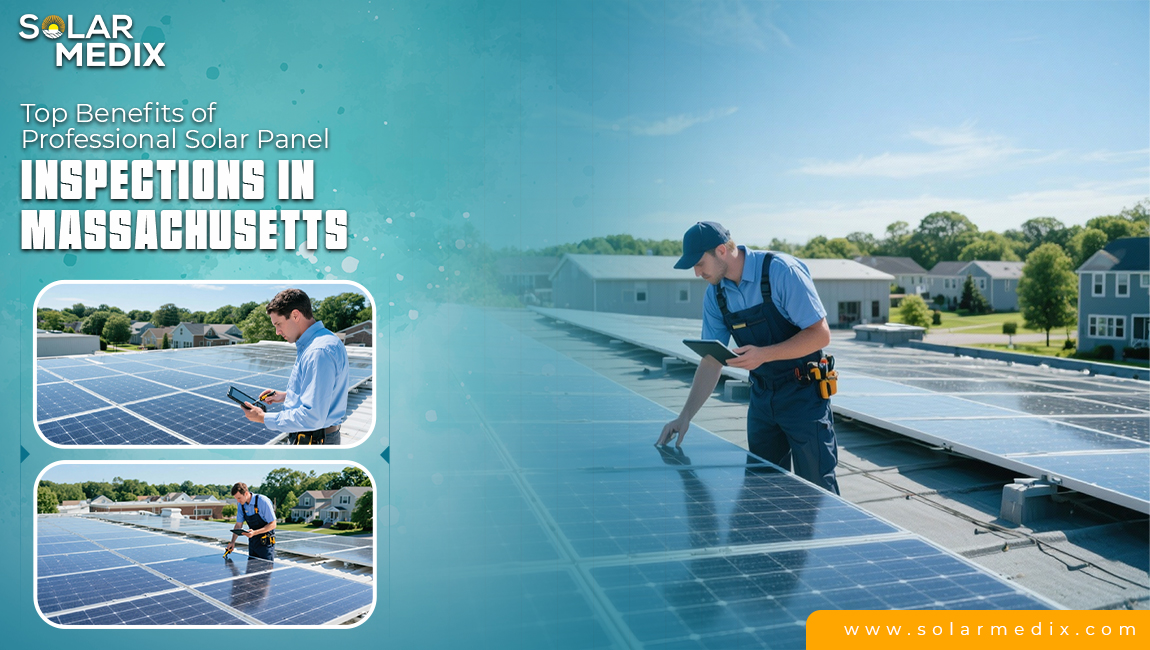
Worried your panels aren’t delivering every kilowatt they should?
With electricity averaging 29.3¢/kWh in Massachusetts, even small output losses hit hard over a year of bills. Uninspected systems can forfeit up to 20% production annually as hidden faults stack up, especially on busy sites that skip proactive checks.
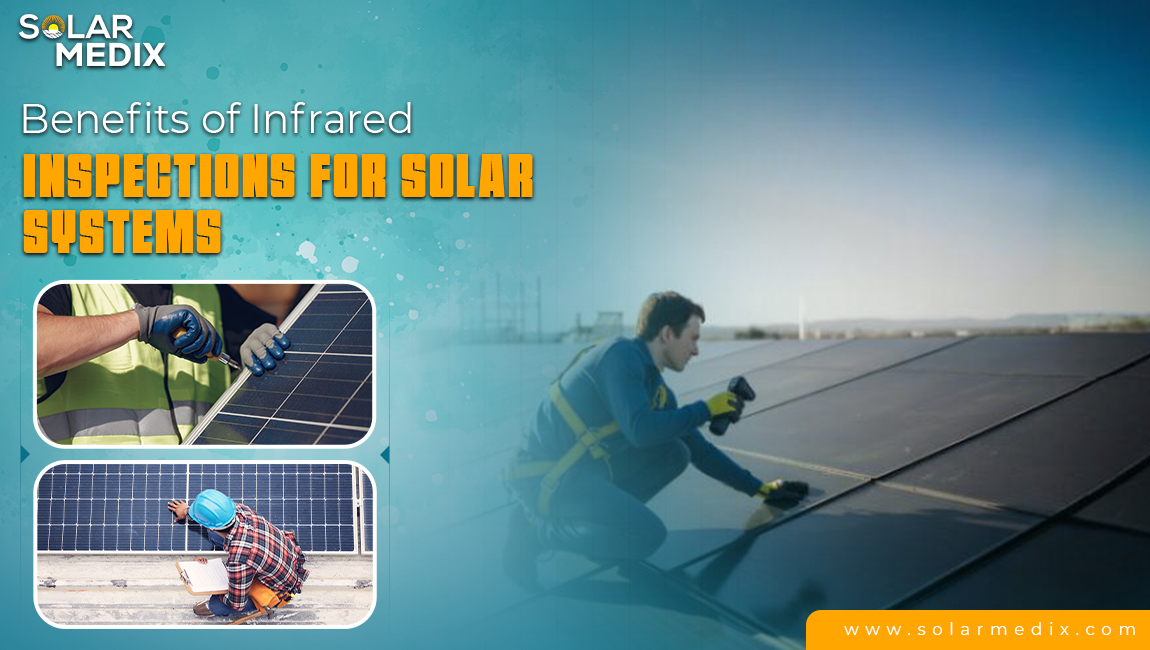
From years on rooftops, Solar Medix teams catch what apps miss—micro‑cracks, loose hardware, hotspotting cells, and inverter errors—using IR imaging and on‑site electrical testing. Then we document findings to support warranties and schedule timely fixes that stand up to storms and snow.
Read on and you’ll get a clear, field‑tested roadmap to protect output, safety, and long‑term savings—the top benefits of professional solar panel inspections in Massachusetts, distilled for fast action.
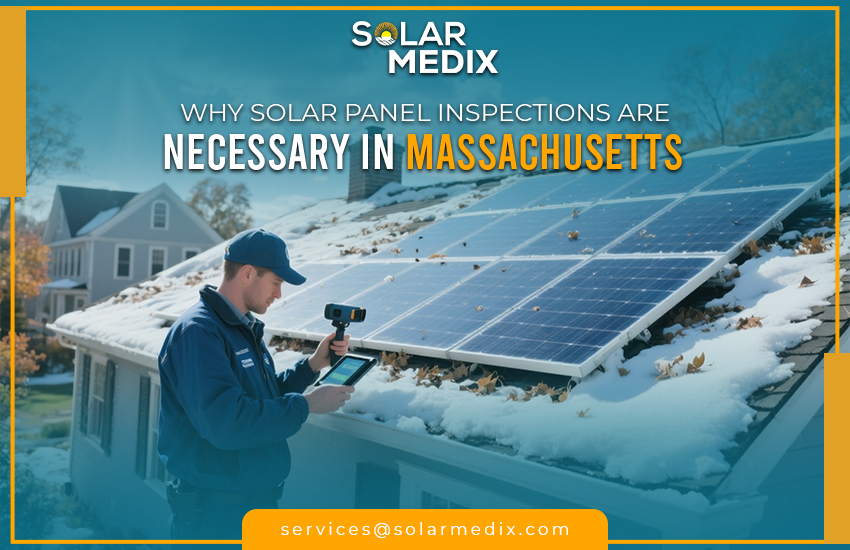
Why Solar Panel Inspections Are Necessary In Massachusetts
How much value could a one‑hour inspection defend this year?
In Massachusetts, a typical system costs about 2.74-3.3 per watt, so you’re protecting a 15,000–30,000 investment with each visit. Industry data shows unresolved faults can drain about 5,720 per MWdc annually, and a small slice of high‑priority issues triggers roughly 90% of the revenue loss.
Meanwhile, SMART 3.0 sets 900 MW AC for 2025, and incentives depend on documented performance that steady inspections help substantiate.
So, why risk avoidable underperformance when professional inspections catch defects early, verify electrical health, and preserve warranty coverage?
After storms or heavy snow, targeted checks confirm mounting integrity and safe operation before small problems become big failures.
- Micro‑cracks in panels.
- Loose racking or mounting hardware.
- Hidden wiring issues.
- Energy loss from shading, dirt, or snow buildup.
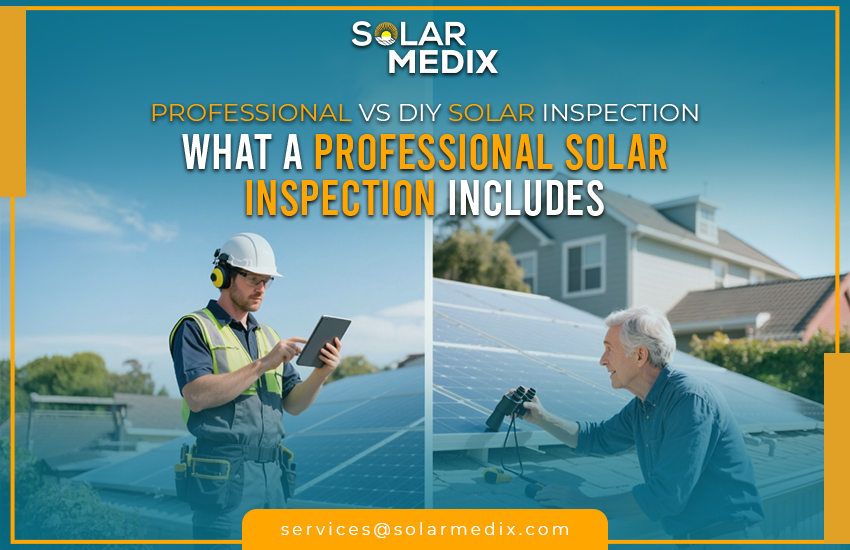
Professional Vs DIY Solar Inspection | What A Professional Solar Inspection Includes
Hands-on owners can spot obvious debris or broken glass yet professional inspections use IR thermography, electrical testing, structural checks, and code-informed diagnostics to uncover hidden faults and document compliance.
Moreover professionals tie findings to warranties and utility standards which simplifies claims and ensures energization and safety sign-off after any repair or upgrade.
| Aspect | DIY Inspection | Professional Inspection |
| Electrical component testing | Visual checks only, with no load or continuity tests in most cases. | Multimeter tests, torque checks, and inverter scans validate current, voltage, and connections. |
| Panel surface checks | Surface looks for cracks or dirt with limited hotspot detection. | Detailed surface review plus hotspot and shading diagnostics with tools and methods. |
| Infrared (IR) thermal imaging | Rarely available to homeowners. | IR imaging identifies invisible defects like hotspots and failing cells. |
| Inverter, wiring, and connections | Basic app monitoring with no diagnostic depth. | Inverter error codes, wire integrity, and connector health were verified and documented. |
| Roof mounting and structure | Limited view of rails and flashing without safety gear. | Racking torque, flashing, and structural integrity checks for storm readiness. |
| Full performance reporting | No formal report beyond app screenshots. | Formal performance report with findings, photos, and optimization plan. |
Building on the benefits above, read “Why IR Inspections of Solar Panels are Crucial for Businesses?” to see how thermal imaging pinpoints hidden hotspots, speeds repairs, and safeguards uptime after every professional inspection.
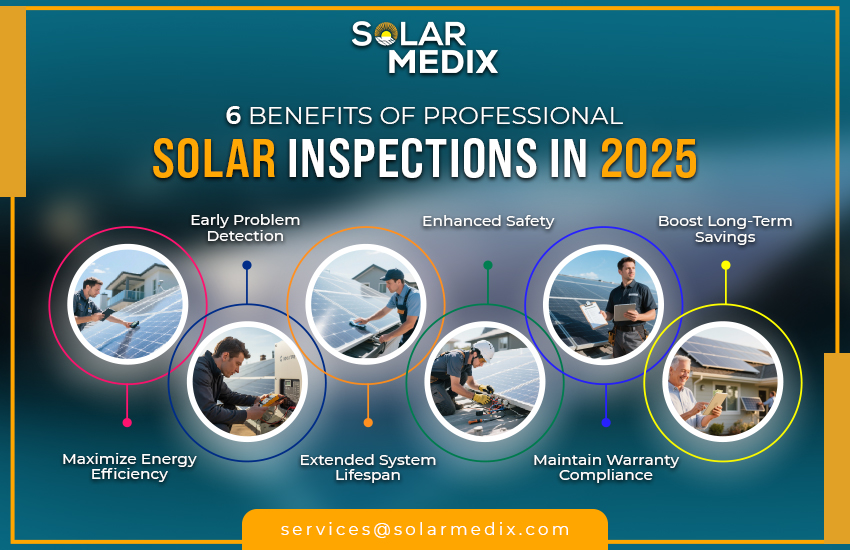
6 Benefits Of Professional Solar Inspections In 2025
Regular inspections deliver compounding value because they protect energy yield, asset life, and compliance while lowering the lifetime cost of ownership.
This section summarizes the six benefits owners ask about most and then shows how each produces tangible savings or risk reduction.
1. Maximize Energy Output
Finding and fixing soiling, shading, and hotspots increases production and improves daily stability across seasons.
Professional cleaning and calibrated adjustments recover energy quickly, which shortens payback and steadies bill savings.
- Clean panels often produce 5–15% more energy, depending on site conditions.
- IR scans reveal hidden hotspots that silently cut generation.
- Inverter diagnostics resolve performance drops before they widen.
2. Extend System Lifespan
Preventive maintenance slows wear on modules, inverters, and connectors, which extends useful life and defers major replacements.
Catching micro-cracks, loose hardware, or heat build-up early prevents cascading failures that shorten array life.
- Early crack detection avoids moisture intrusion and cell damage.
- Proper torque and flashing preserve roof integrity under load.
- Balanced strings reduce stress on inverters and cabling.
3. Protect Against Harsh Weather Damage
Storms, wind, hail, and heavy snow can loosen mounts or degrade wiring, which raises failure risk if unnoticed.
Post-event inspections confirm structural security and electrical safety, then document any repairs needed for resilience.
- Schedule checks after severe storms or heavy snow to catch hidden damage.
- Verify racking torque and sealing for wind and moisture defenses.
- Confirm grounding and bonding to mitigate fault hazards.
4. Ensure Warranty Compliance
Manufacturers and financiers expect documented maintenance and prompt corrective action to keep coverage intact.
Inspections create a record that shows responsible care, which simplifies claims and reduces dispute risk.
- Routine reports align with product and workmanship terms.
- Timely fixes prevent claim denials for neglect.
- Utility and code compliance support interconnection standing.
5. Save Money Long-Term
Prevent small defects from becoming costly failures and recover energy that would otherwise be lost each month.
Fewer outages and targeted service lower lifetime costs while stabilizing returns.
- Skipped checks cost up to 18% of expected generation over five years.
- Cleaning and optimization reduce grid purchases during peak rates.
- Early repairs are cheaper than emergency replacements.
6. Improve Safety & Compliance
Inspections reduce electrical risk through verified connections, grounding, and code-conforming repairs under qualified supervision.
Safe systems protect homes and businesses and speed utility approvals after upgrades or service events.
- Professional testing confirms conductor health and secure terminations.
- Proper labeling and clear reports support authority inspections.
- Structural checks reduce roof penetration and leak risks.

Contact Solar Medix For Solar Inspection In Massachusetts & Let Us Take Care Of Your Solar
After hundreds of rooftops, one pattern repeats: small issues become big costs unless inspections stay proactive and documented.
With electricity near 29.3¢/kWh, every lost kilowatt stings, and routine checks stop the slow bleed from soiling, hotspots, and loose hardware. IR imaging, inverter diagnostics, and torque verification catch what apps miss while preserving warranty and interconnection compliance.
Solar Medix experts have seen how timely fixes restore double‑digit output and prevent storm‑season surprises that become service calls and higher bills. If you want steadier savings and safer operation all year, book a professional inspection and turn uncertainty into reliable performance.,
Solar Medix delivers comprehensive O&M with cleaning, inverter diagnostics, wire checks, racking verification, IR thermals, pest mitigation, and a performance optimization plan after every visit.
Schedule a residential or commercial inspection to reduce outages, keep warranties clean, and get actionable reporting that improves returns.
Build on this guide—read our latest blog, “Is Solar Panel Inspections Necessary for Massachusetts Commercial Properties?”, to get concise checklists, IR‑thermal examples, and warranty documentation steps you can apply across your sites today.
Frequently Asked Questions (FAQs)
Q1: How much does it cost to inspect solar panels?
Costs for solar panel inspections typically range from $150 to $350, averaging around $200 depending on your system’s size and location specifics. In Massachusetts, towns like Agawam expect about $100 per basic check, but add-ons like IR imaging bump it up. These fees pay off fast since they spot issues that save thousands in lost energy over time.
Q2: Are solar panels required to be inspected?
Yes for interconnection: utilities and AHJs require inspections before permission to operate and after major changes. Routine checks aren’t universally mandated, yet they safeguard warranties and support incentive documentation under SMART. Local departments may assess inspection or re‑inspection fees during permitting, so confirm requirements early.
Q3: How often should solar panels be inspected?
Schedule a full inspection annually to verify performance, safety, and warranty conditions. Add checks after severe storms, heavy snow, or any notable production drop on your monitoring app. High‑soiling or commercial sites often benefit from semiannual visits paired with cleaning and torque checks. Align timing with seasonal shading changes.
Q4: Do home inspectors inspect solar?
Many home inspectors provide basic visual assessments of solar equipment during property transactions. They typically don’t perform electrical testing, IR imaging, grounding verification, or racking torque checks. Specialized solar technicians deliver those diagnostics and produce formal performance reports for warranties and utilities. Ask for the scope before relying on results.