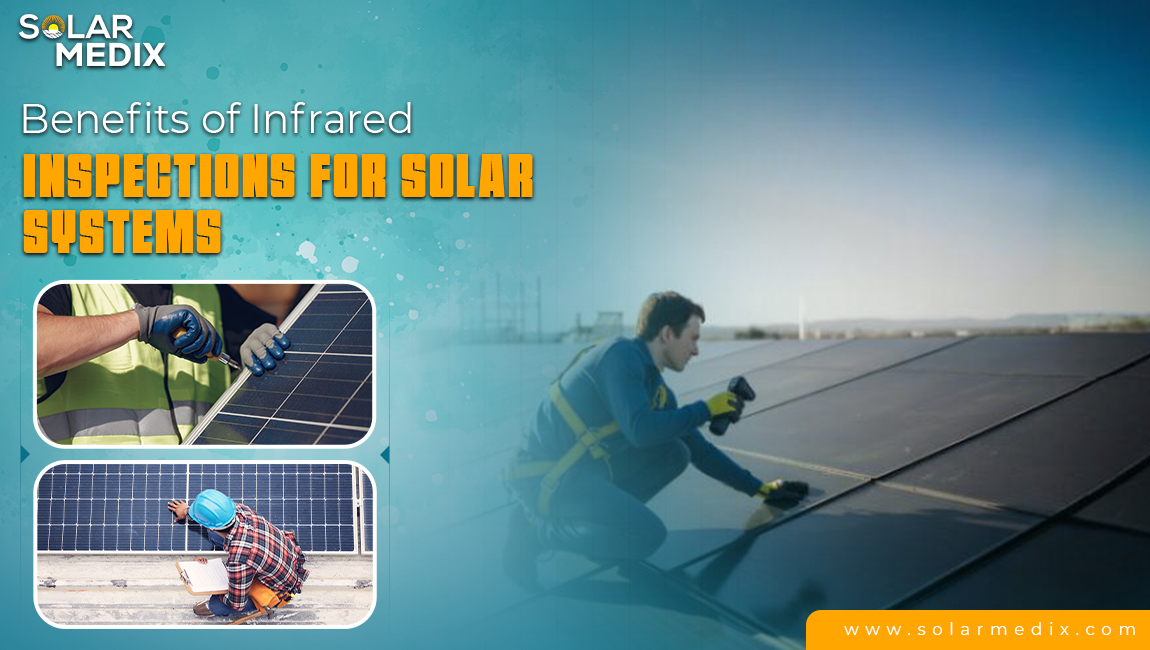
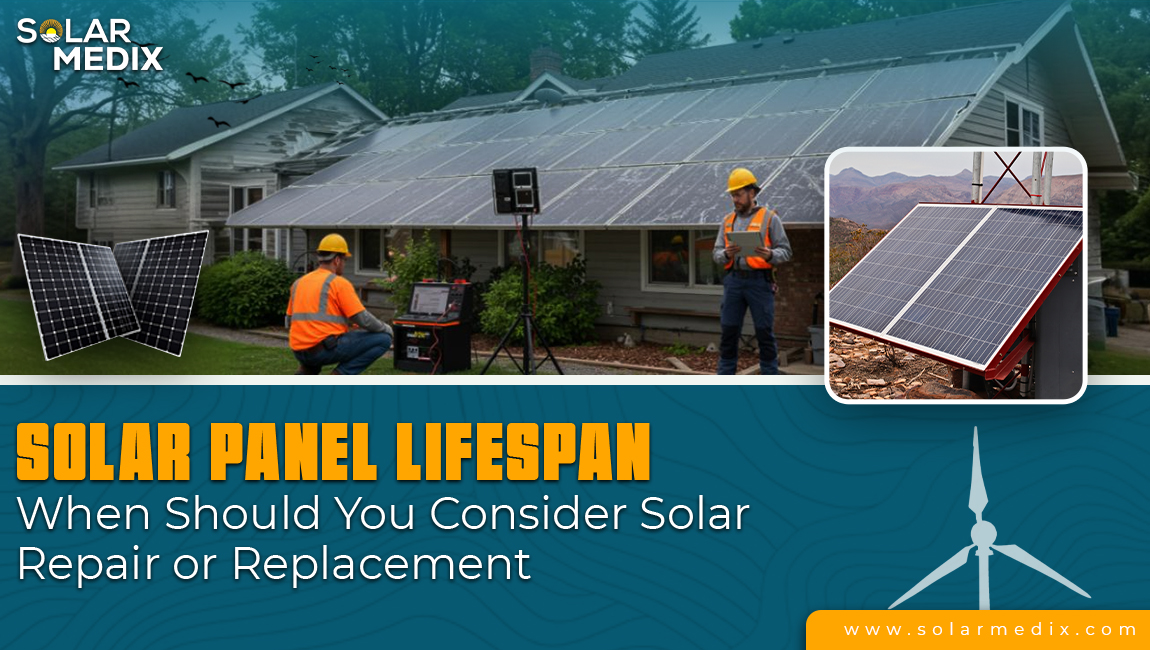
The average lifespan for solar panels is between 25 and 30 years. You should consider solar repair if you notice localized damage. For example, cracked glass or a sudden drop in energy production. Replacement is usually the better choice if your system is over 20 years old, exhibits widespread cell failure, or if you are already replacing your roof.
Natural degradation occurs at a rate of roughly 0.5% each year, verified by the National Renewable Energy Laboratory. A failed inverter often requires a simple repair. However, widespread browning of the silicon cells indicates the hardware is reaching its natural conclusion. Homeowners find that modern modules offer much higher efficiency, making a full system upgrade more profitable than patching up an ancient, lagging array.
Solar Panels Don’t Last Forever, But They Don’t Suddenly “Die” Either
Your rooftop array is a sturdy piece of machinery that slowly loses its life. These systems lack moving parts. This allows them to endure harsh weather for decades without a total mechanical collapse. Your panels will likely keep generating electricity long after their warranty expires. Just with less enthusiasm than they had on day one.
Tiny inconsistencies in performance are fixable if caught early through professional solar maintenance and usually crop up years before you need to worry about a total hardware failure. You might spot a slight rise in your utility costs as the silicon cells gradually become less effective at capturing sunlight. It is a graceful aging process where the system simply produces a smaller volume of electricity as the seasons pile up.
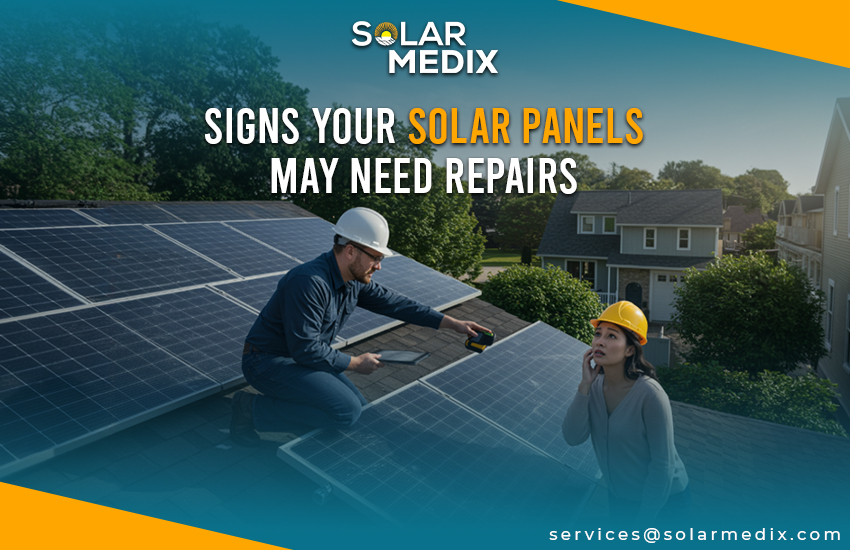
Signs Your Solar Panels May Need Repairs
Identifying early warnings prevents small cracks from turning into expensive disasters. A quick visual check often reveals what your software can’t see.
- Sudden Drop in Energy Output: A component is likely failing if your production plunges without clouds in the sky.
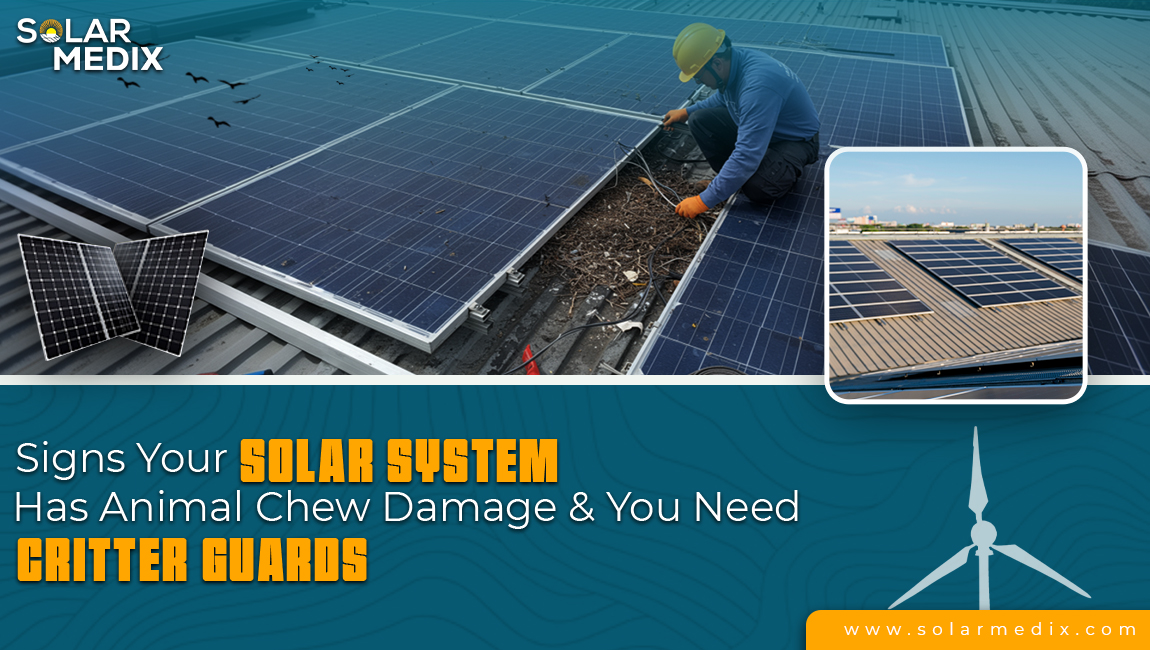
- Loose or Faulty Wiring: Rodents or wind can tug at cables. It breaks the electrical circuit.
- Storm or Hail Damage: Large ice pellets create visible fractures that stop energy flow.
- Hotspots or Microcracks: These invisible heat zones can melt plastic backsheets if left unaddressed.
- One String Underperforming: When a specific row of panels lags behind the others, you likely have a localized inverter issue.
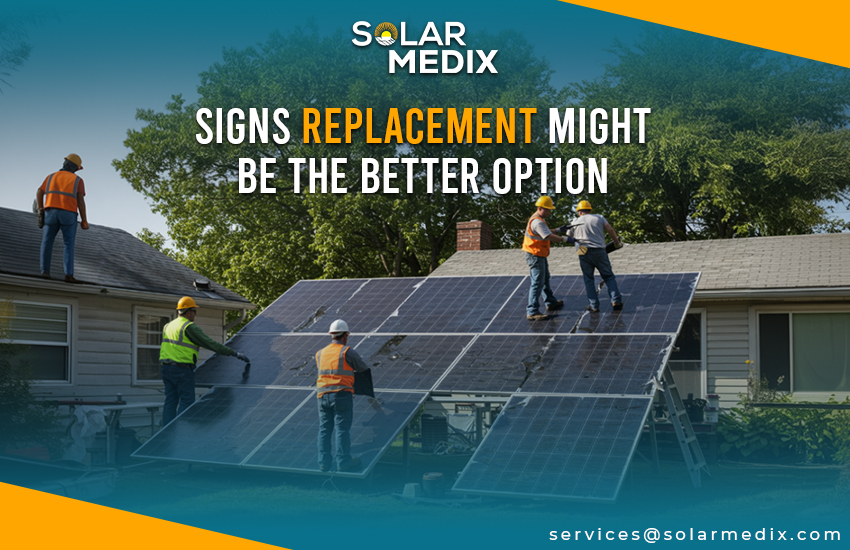
Signs Replacement Might Be the Better Option
Sometimes, patching things up is like putting a Band-Aid on a broken leg. You have to know when to let go of old tech. Investing in a new setup often yields better ROI than constant mending.
- System Over 20–25 Years Old: Older models lack the efficiency of modern bi-facial panels.
- Severe Cell Damage Across Multiple Panels: Extensive corrosion makes fixing individual parts a waste of money.
- Persistent Underperformance After Repairs: If your bills stay high despite professional help, the hardware is exhausted.
- Outdated Technology: New modules generate more electricity in smaller spaces compared to 2010 models.
- Roof Replacement Needed: Pulling off an old system to fix a roof is the perfect time for an upgrade.
Repair Now or Replace Later? Timing Matters
Fixing things immediately stretches out the years of service you get from your equipment. If you ignore a tiny crack, moisture seeps in and rots the internal connections. That leads to a total system failure that could have been avoided with a simple service call.
Being proactive keeps your bank account happy. Solar Medix sees systems that could have lasted 40 years die at 15 because of neglect. A little bit of attention goes a long way. Your energy independence depends on how well you treat the hardware on your roof.
Get a Professional Solar Health Check from Solar Medix & Make an Informed Decision!
Is your system performing at its peak? Our team provides comprehensive solar monitoring to ensure you aren’t wasting money on lost energy.
- On-site visual inspections.
- Thermal imaging for hotspots.
- Wiring and inverter testing.
- Detailed health reports.
Stop guessing about your energy production. Contact Solar Medix today to schedule your evaluation. We help you decide if a fix or a fresh start is the right path for your home.
Frequently Asked Questions (FAQs)
Q1. What is the average lifespan of solar panels?
25 to 30 years. They don’t stop working entirely after this point. But their efficiency drops below the level guaranteed by manufacturers.
Q2. How often do solar panels need to be repaired?
Every 5 to 10 years. Most of the time, the inverter or wiring needs repairing. Not the panels themselves. Routine inspections help catch these issues before they require major work.
Q3. Is it worth replacing 10-year-old solar panels?
No. Not until or unless they have suffered catastrophic physical damage. Most systems are still operating at over 90% efficiency during this period.
Q4. Why don’t solar panels last forever?
Solar panels degrade because of “thermal cycling.” That is where constant expansion and contraction from heat and cold wear down electrical connections. UV radiation also slowly breaks down the protective materials housing the silicon cells.