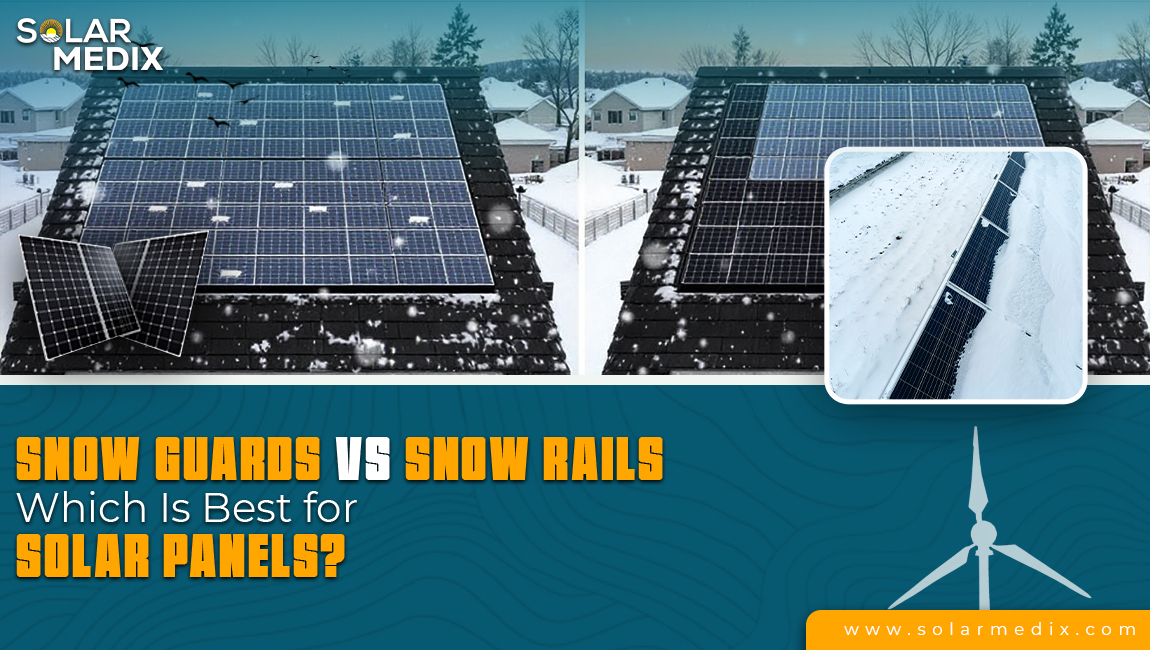
Deciding between snow guards and snow rails depends primarily on two things. Your roof’s pitch and the local weather intensity. Snow guards work by breaking up frozen sheets into smaller, manageable fragments that fall away safely. Snow rails function as a continuous horizontal fence, holding the entire snowpack in place until it melts naturally.
Residential homes usually benefit more from snow guards due to their subtle appearance. Commercial buildings or extremely steep metal roofs often require the heavy-duty retention provided by rails. Both systems serve the critical purpose of preventing “roof avalanches” that can damage property or injure people below.
According to safety data from the SEIA, managing environmental loads is vital for the longevity of your clean energy system. You can also monitor National Weather Service alerts to see when your region expects heavy accumulation that might necessitate these safety measures.
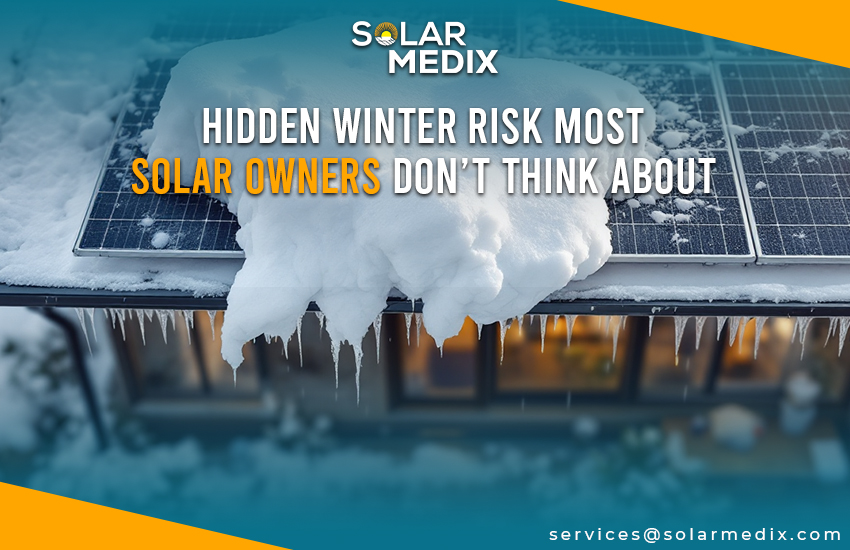
Hidden Winter Risk Most Solar Owners Don’t Think About
Gravity turns your beautiful solar array into a hazard the moment the sun comes out. When sunlight hits the glass panels, the bottom layer of snow melts into a thin film of water. This creates a frictionless surface. It allows hundreds of pounds of ice to slide off in a single second. This sudden movement can tear gutters off the house or crush expensive shrubbery.
Many people living in snowy climates don’t realize that specific protection products exist to stop this. If you live in New York, you likely see these massive slides every winter. Homeowners in New Jersey, and even the icy northern parts of Massachusetts, deal with damaged decks or dented cars because they lack a retention system.
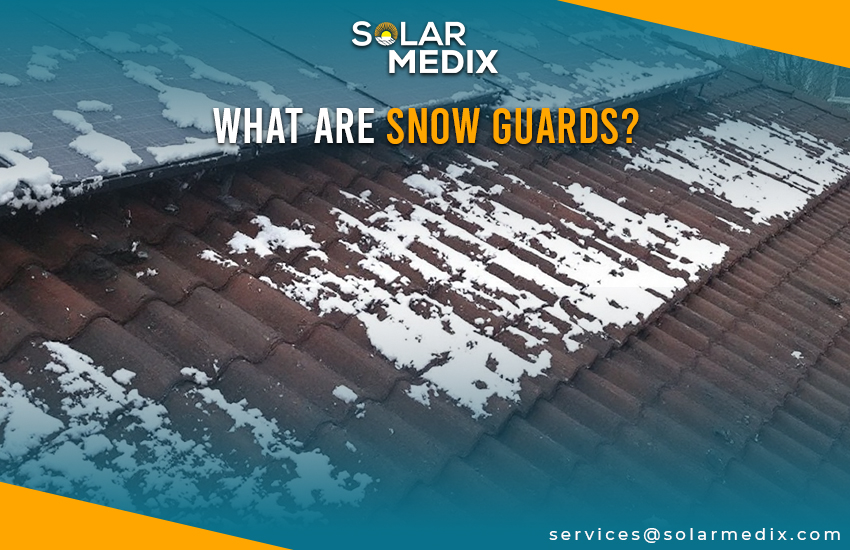
What Are Snow Guards?
Snow guards are small, individual components placed in a staggered pattern across the solar array. They act like brakes for the snow. By disrupting the smooth surface of the panels, they fracture the ice sheets into tiny pieces. This ensures that when the snow does fall, it comes down in light flurries rather than a solid, dangerous block.
Using these devices helps distribute the weight of the snowpack across the entire roof structure. This prevents localized pressure points and helps mitigate the risk of roof avalanches. They are discreet and barely visible from the street, keeping your home’s curb appeal intact as well as protecting your solar investment.
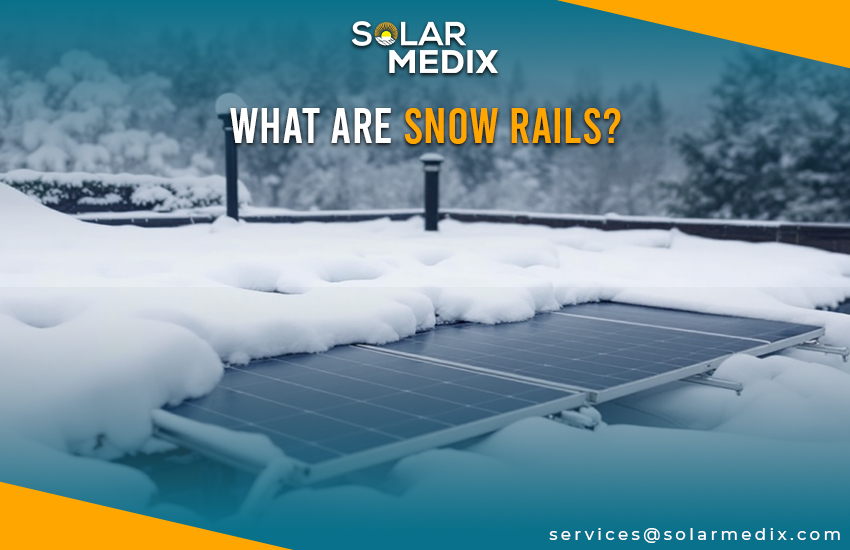
What Are Snow Rails?
Snow rails consist of long horizontal bars that span the width of your solar rows. These systems are designed to hold back a massive volume of frozen weight. They are common on commercial-style roofs or metal surfaces where friction is nonexistent. The rail creates a physical barrier that keeps the snow trapped until it turns to liquid.
These systems are heavy-duty. You often see them on roofs with very steep inclines where guards might not provide enough resistance. They are more noticeable than individual guards. However, their effectiveness in high-snowfall regions is unmatched.
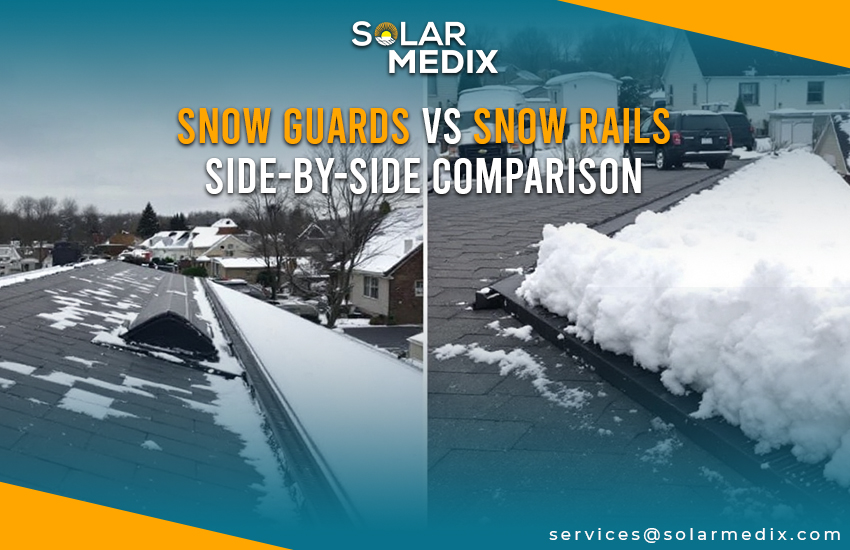
Snow Guards vs Snow Rails — Side-by-Side Comparison
| Feature | Snow Guards | Snow Rails |
|---|---|---|
| How snow is managed | Breaks it into fragments | Holds the entire mass |
| Weight distribution | Spread across many points | Concentrated on the rail |
| Aesthetic impact | Subtle and low profile | More industrial looking |
| Best for | Residential asphalt roofs | Metal or steep roofs |
| Installation complexity | Moderate setup time | High structural demand |
| Cost | Usually more affordable | Higher price point |
Each system has its place depending on your specific architectural needs. Choosing the wrong one might lead to structural stress. Always consult a professional like Solar Medix to see which method fits your local climate and roof type.
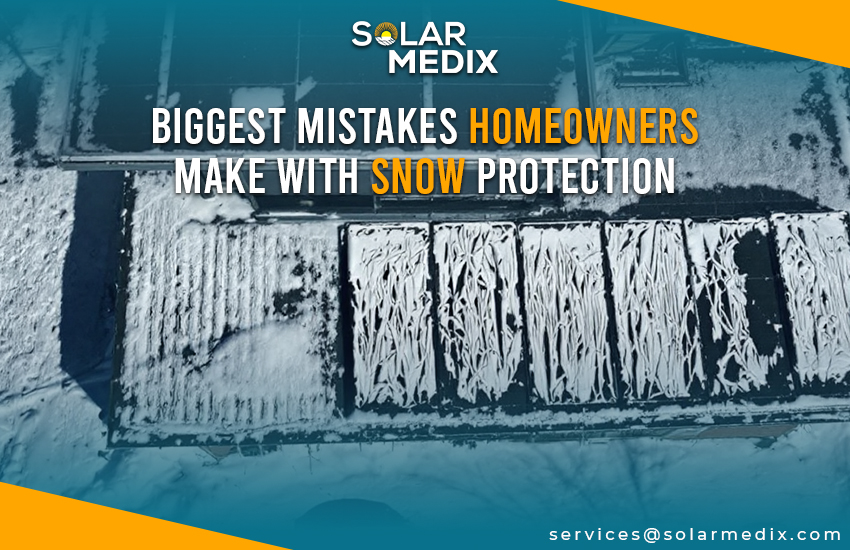
Biggest Mistakes Homeowners Make with Snow Protection
- Installing nothing and hoping for the best.
- Using roof-only snow guards while ignoring the slick surface of the panels.
- DIY installations that accidentally void your panel warranty.
- Choosing a system based on the lowest price instead of the roof pitch.
- Ignoring the impact of heavy ice on your critter guards.
- Failing to clear the gutters before the first big freeze hits.

Let Solar Medix Determine the Right Snow Protection Solution for You
Your roof deserves a safety system that actually works. We analyze your specific slope and local weather history to find a perfect match.
- On-site structural assessments.
- Professional installation that protects warranties.
- Customized layouts for maximum safety.
Don’t wait for the first avalanche to realize you have a problem. Reach out to us today to secure your home against the weight of winter.
Frequently Asked Questions (FAQs)
Q1. Why does snow sliding happen on solar panels?
Snow slides happen because the glass surface of a solar panel is exceptionally smooth. When sunlight warms the panel, a thin layer of meltwater forms at the bottom. This water acts as a lubricant. It causes the entire snowpack to lose its grip and drop instantly.
Q2. Are snow guards a good idea?
Yes, snow guards are an excellent investment for safety. They prevent “roof avalanches” that can cause thousands of dollars in property damage. They also protect anyone walking near the perimeter of your home.
Q3. What is the best tool to remove snow from solar panels?
A soft-bristled roof rake is generally considered the safest tool. You should never use metal shovels or harsh chemicals. These can scratch the glass or damage the anti-reflective coating.
Q4. How do I prevent snow damage to my house?
The most effective way is to install a dedicated retention system, such as snow guards or rails. These keep the weight of the snow controlled. Additionally, keeping your gutters clear allows meltwater to flow away instead of forming heavy ice dams.